

Roseville, CA experiences 247 sunny days per year, placing it well above the national average for clear skies. Buyers moving to the Sacramento Valley often prioritize this area for its predictable Mediterranean climate. The mix of dry summers and mild, wet winters dictates everything from how homes are built to how much residents pay for utilities.
The weather and climate in Roseville, CA directly influence property values and neighborhood amenities. A house with a shaded outdoor living space and an energy-efficient cooling system will command a premium. Understanding these local temperature patterns helps buyers budget for seasonal utility changes and ongoing property maintenance.
Annual Temperatures and Rainfall Patterns
Placer County, CA receives an average of 21 inches of annual rainfall, with almost all precipitation occurring between November and April. This wet season replenishes local reservoirs and sustains the surrounding Sierra Nevada foothills. Once May arrives, the rain largely stops, leading to a prolonged dry season that lasts through October.
Summer temperatures frequently push into the upper 90s. July is typically the hottest month, with average daytime highs around 95 degrees and occasional heat waves exceeding 100 degrees. Homeowners rely mostly on air conditioning during these peak summer months to maintain comfortable indoor temperatures.
Winters bring a sharp drop in temperatures but rarely produce snow on the valley floor. January is usually the coldest month, featuring overnight lows around 39 degrees and daytime highs in the mid-50s. This mild winter profile means residents rarely need to worry about frozen pipes or heavy snow removal.
How Local Weather Shapes Housing Costs and Features
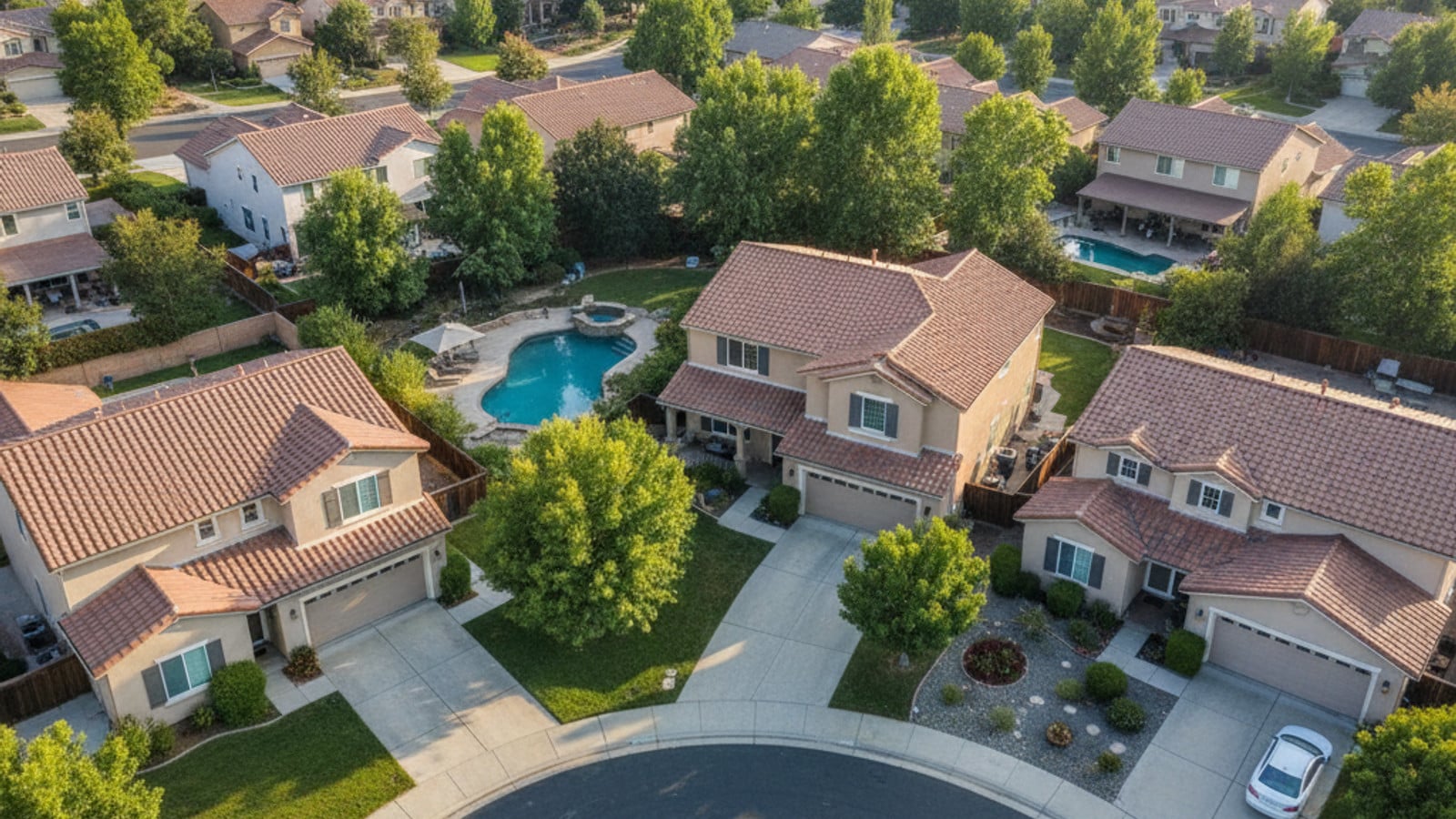
The 2026 median home price in Roseville ranges from $625,000 to $720,000, depending on the property type and specific neighborhood. Homes at the upper end of this spectrum usually feature built-in solutions for the long, hot summers. Buyers prioritize properties with established shade trees, covered patios, and drought-tolerant landscaping.
Utility providers play a major role in monthly housing budgets due to the extended cooling season. Roseville Electric serves most of the city and maintains lower rates compared to neighboring investor-owned utility companies. The average residential electric bill sits around $154 per month, though this figure fluctuates based on usage and home size.
The local climate drives demand for specific property upgrades that buyers should look for during their search:
Swimming pools: Private pools are common, though buyers should budget for increased water usage and ongoing maintenance costs.
Energy-efficient HVAC systems: A modern, well-maintained air conditioning unit is a standard expectation for homes in this market.
Xeriscaping: Many homeowners replace traditional grass lawns with drought-resistant plants and hardscaping to reduce summer water bills.
Year-Round Outdoor Recreation Opportunities
Miners Ravine Trail offers 8.4 miles of paved pathways that wind through the eastern half of the city. The mild winter temperatures allow residents to use these walking and biking routes twelve months a year. Even in January, daytime temperatures remain comfortable enough for outdoor exercise without heavy winter gear.
Maidu Regional Park covers 152 acres and serves as a primary hub for community sports and outdoor events. The facility includes lighted sports fields, a community center, and extensive walking paths. Shade structures over the play areas make the park usable even during the warmer summer afternoons.
Folsom Lake sits just a short drive east of the city limits, providing a major destination for summer water sports. The reservoir draws boaters, paddleboarders, and hikers from across the Sacramento metropolitan area. Water levels peak in the spring following the winter rains, making early summer the prime season for aquatic recreation.
Natural Disasters and Environmental Risks
The Sierra Nevada foothills experience frequent wildfires during the dry season, which directly impacts the Sacramento Valley. While Roseville itself rarely faces direct fire threats, wind patterns often push wildfire smoke down into the city. This smoke can reduce air quality for days or weeks at a time, prompting residents to upgrade their indoor air filtration systems.
Extreme heat waves present another seasonal challenge during July and August. Prolonged periods of triple-digit temperatures strain the local power grid and increase the risk of heat-related illnesses. Homebuyers should ensure their prospective properties have adequate insulation and functional cooling systems to handle these spikes.
Winter storms occasionally bring heavy, concentrated rainfall that overwhelms local drainage systems. Properties located near creeks and ravines face a risk of localized flooding during these severe weather events. Buyers looking at homes near water features should review local flood maps and consider purchasing supplemental flood insurance.
Frequently Asked Questions
Is Roseville considered a desert climate?
No, the area features a Mediterranean climate characterized by distinct wet and dry seasons. While the summers are hot and dry, the region receives enough winter rainfall to support extensive agricultural operations and natural oak woodlands.
Is Roseville cooler than Sacramento?
The two cities share almost identical temperature profiles due to their close proximity in the valley. However, Roseville can occasionally record temperatures one or two degrees higher during summer afternoons because it sits slightly further inland from the Delta breeze.
What are common natural disasters or weather risks in Roseville?
Wildfire smoke is the most frequent environmental issue, often degrading outdoor air conditions between August and October. Residents also face occasional localized creek flooding during intense winter rainstorms and extended heat waves throughout the summer.
Check out this article next