

Moving to Roseville means joining a rapidly growing Northern California community that balances robust local infrastructure with access to major regional hubs. Located in Placer County, this suburb sits approximately 20 miles northeast of downtown Sacramento. The strategic location provides residents with straightforward access to both the Sierra Nevada mountains and the San Francisco Bay Area.
The current 2026 population stands at between 165,000 and 170,000 residents, reflecting steady growth driven by a strong local economy. Residents experience a classic hot-summer Mediterranean climate, which brings long, dry summers and mild, wet winters. Understanding the distinct neighborhoods in Roseville and the nuances of the local real estate market is essential for anyone considering a move here.
An Objective Guide to the City of Roseville
The City of Roseville operates as the primary economic engine for Placer County and the greater Sacramento region. It offers a structured suburban environment equipped with extensive municipal services and independent utility networks. This local control over utilities often results in more predictable energy costs compared to neighboring jurisdictions.
Geography plays a significant role in the local lifestyle and weekend recreation. The city is positioned perfectly for quick trips, placing you within a two-hour drive of world-class skiing in Lake Tahoe or coastal attractions to the west. Daily life here revolves around well-maintained arterial roads and carefully planned commercial sectors that keep essential services close to residential areas.
Roseville Real Estate Market and Housing Options
Navigating the real estate market requires an understanding of current pricing and local tax structures. As of 2026, the median home price in the city ranges from $620,000 to $650,000, depending on the specific neighborhood and property condition. This pricing reflects the area's strong demand and the continued addition of new homes to the local inventory.
Property taxes are a critical factor in your monthly housing budget. The baseline property tax rate in Placer County generally falls between 1.07% and 1.25% of the assessed value.
Understanding these tax implications is non-negotiable for buyers finalizing their budgets.
Exploring East Roseville and West Roseville
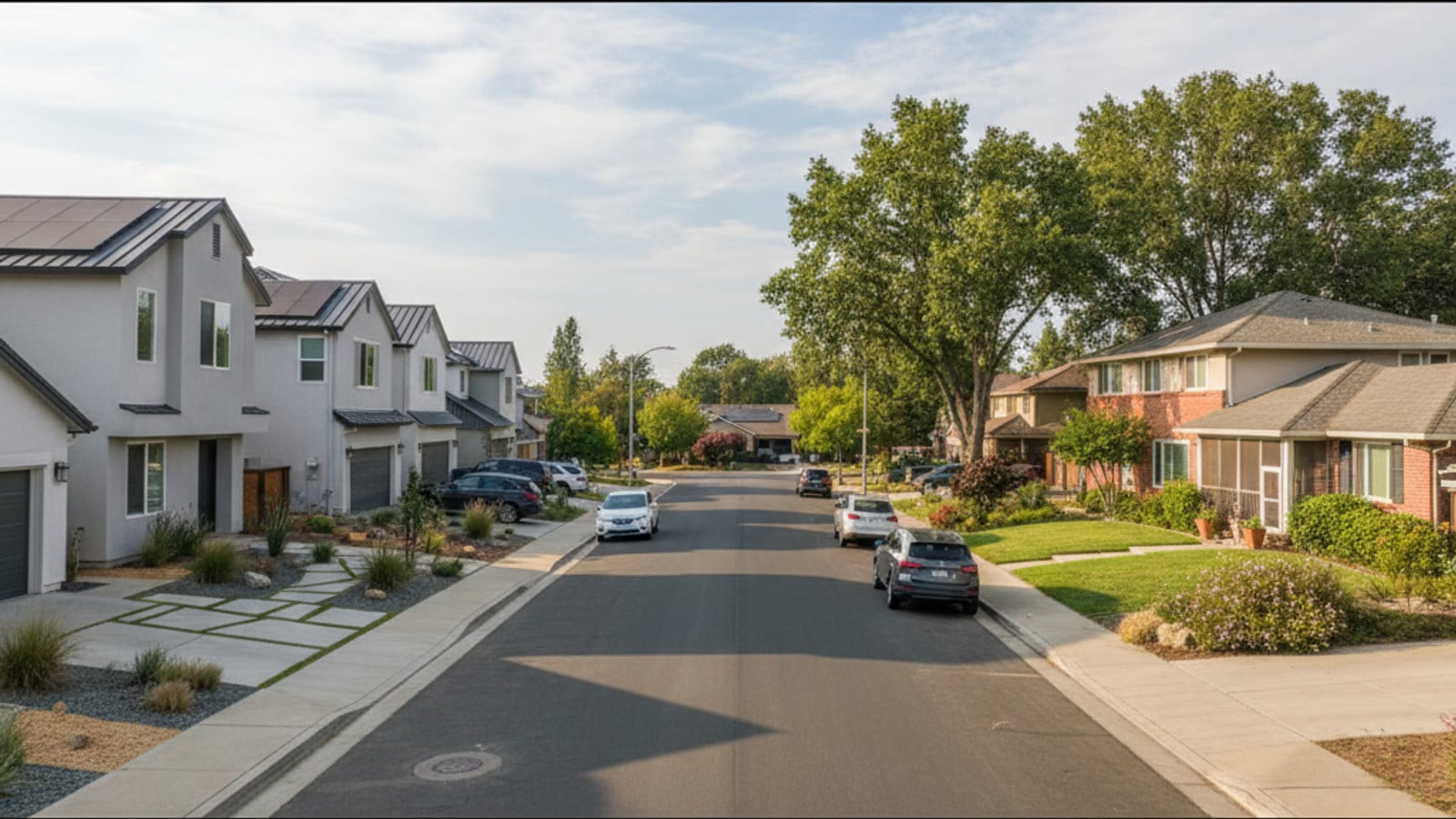
The city is generally divided into two distinct geographic and architectural zones. East Roseville features established neighborhoods with mature trees, larger lots, and homes primarily built in the late 20th century. Buyers looking for custom architecture and a lack of additional development taxes often focus their searches in this eastern sector.
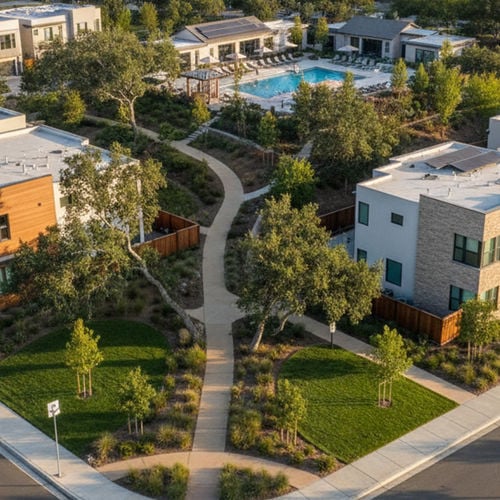
In contrast, West Roseville is defined by master-planned communities and extensive new construction. While these modern homes offer updated energy efficiency and contemporary floor plans, they frequently come with Mello-Roos assessments. These special tax districts fund local infrastructure and can add approximately $150 to $300 to a homeowner's monthly expenses.
Major Employers and the Local Economy
A robust job market is a primary draw for individuals evaluating a relocation to the area. The local economy supports a median household income of approximately $119,000, which helps residents manage the regional cost of living in Roseville. Healthcare and technology stand out as the dominant employment sectors within the city limits.
Major healthcare networks, including Sutter Health and Kaiser Permanente, operate massive medical campuses that employ thousands of local professionals. On the technology front, Hewlett Packard Enterprise maintains a significant corporate presence, continuing a long history of tech investment in the area. These anchor institutions provide economic stability that ripples through the local commercial real estate and retail sectors.
Beyond tech and healthcare, the public sector and logistics play crucial roles in job creation. The city itself is a major employer, offering roles across municipal administration and public works. Additionally, the Union Pacific Railroad operates the largest rail facility on the West Coast right in town, anchoring the local industrial economy.
Public School Districts in Roseville
The educational infrastructure is a major consideration for buyers evaluating schools in Roseville. The primary provider for elementary and middle school education within the city is the Roseville City School District. The district operates numerous campuses distributed strategically across both older neighborhoods and new developments.
For secondary education, the Roseville Joint Union High School District serves the majority of the city's teenage population. The district manages several large, comprehensive high school campuses equipped with extensive athletic and academic facilities. Buyers should always verify specific boundary lines, as enrollment depends entirely on the exact physical address of a property.
It is also important to note that school district boundaries do not perfectly align with the city limits. Some properties within the city are served by overlapping districts, such as the Dry Creek Joint Elementary School District or the Eureka Union School District. Checking the specific district assignments on the MLS listing or directly with the county is a mandatory step during the home-buying process.
Transportation and Regional Commuting
Commuting patterns in Placer County heavily rely on the regional highway system. For those working in the capital, the average driving commute to downtown Sacramento via Interstate 80 takes approximately 25 to 35 minutes, depending on peak traffic conditions. Interstate 80 serves as the primary east-west artery, connecting the suburb to the broader region.
For north-south travel within Placer County, residents utilize State Route 65. This highway connects the city to neighboring Rocklin and Lincoln, serving as a vital corridor for retail access and local employment centers. Navigating the interchange between Interstate 80 and State Route 65 is a daily routine for many local commuters.
Public transportation offers alternatives to daily driving for regional connectivity. Roseville Transit provides local bus routes throughout the city, while the downtown Amtrak station connects passengers to the Capitol Corridor line. For broader travel, the Sacramento International Airport is an accessible 30 to 35-minute drive from most local neighborhoods.
Local Amenities, Parks, and Trails
The retail landscape in this area is one of the most comprehensive in the region. The Westfield Galleria at Roseville serves as a massive indoor shopping mall, drawing visitors from across the state. Directly across the street, The Fountains offers an outdoor, pedestrian-focused retail center with dining and boutique shopping.
Outdoor recreation is heavily integrated into the city's urban planning. The Miners Ravine Trail provides miles of paved pathways that weave through natural open spaces and residential areas. This extensive trail system allows residents to cycle or run off the main roads, connecting various parks and commercial centers.
Entertainment venues also dot the local landscape, providing options for weekend recreation. Roseville Golfland Sunsplash is a prominent regional landmark, featuring water slides and miniature golf right off the highway. Between the extensive retail hubs and the paved trail connectivity, the city delivers high objective quality-of-life metrics for its residents.
Frequently Asked Questions About Living in Roseville
Is it expensive to live in Roseville, CA?
Living in Roseville is generally more expensive than the national average but offers a moderate price point within California. The median home price sits between $620,000 and $650,000 as of 2026, which is higher than many Sacramento suburbs but lower than coastal markets. A median household income of approximately $119,000 helps offset these regional housing costs.
What are the downsides of living in Roseville, California?
When evaluating the pros and cons of living in the area, buyers must weigh the excellent amenities against a few notable drawbacks. One of the primary cons of living in Roseville is the intense summer heat, which routinely brings extended periods of triple-digit temperatures. Additionally, buyers in newer developments must budget for Mello-Roos taxes, and commuters frequently face heavy traffic congestion along the highway corridors.
How does the cost of living in Roseville compare to the San Francisco Bay Area?
The cost of living here is significantly lower than in the San Francisco Bay Area, making it a major relocation destination. While a Bay Area buyer might face median prices well over $1.2 million, the local market offers substantial single-family homes in the $650,000 range. Property taxes and everyday goods are also notably more affordable here than in coastal tech hubs.
Check out this article next