

Placer County's largest city has seen sustained growth as buyers look for alternatives to the immediate Sacramento core and the Bay Area. Located about 20 miles northeast of the state capital, Roseville offers a mix of established neighborhoods and expansive new construction zones. The city serves as a major retail and healthcare hub for Northern California, pulling in daily commuters from across the region.
Buyers entering this market in 2026 will find distinct differences between the eastern and western halves of the city. Property taxes, lot sizes, and daily commute times vary widely depending on which zip code you target. Understanding these local boundaries helps narrow down a search before you start touring houses.
What It Costs to Buy and Live in Roseville
The median home price in Roseville sits between $625,000 and $650,000 as of early 2026. This price point generally buys a three-bedroom to four-bedroom single-family home, though square footage depends on the neighborhood. While this is higher than the national average, it remains lower than many coastal California markets.
Property taxes require careful attention when setting your monthly budget. The base property tax rate in Placer County ranges from 1.07% to 1.18% of the assessed value. Buyers looking at newer developments must also factor in Mello-Roos assessments, which are special tax districts used to fund local infrastructure.
Utility costs offer a localized financial advantage compared to neighboring cities. The city operates its own utility provider, Roseville Electric, rather than relying on Pacific Gas and Electric or the Sacramento Municipal Utility District. Monthly electric bills average around $107, which typically keeps overall utility expenses lower than in surrounding Sacramento County towns.
Housing Styles Across the City
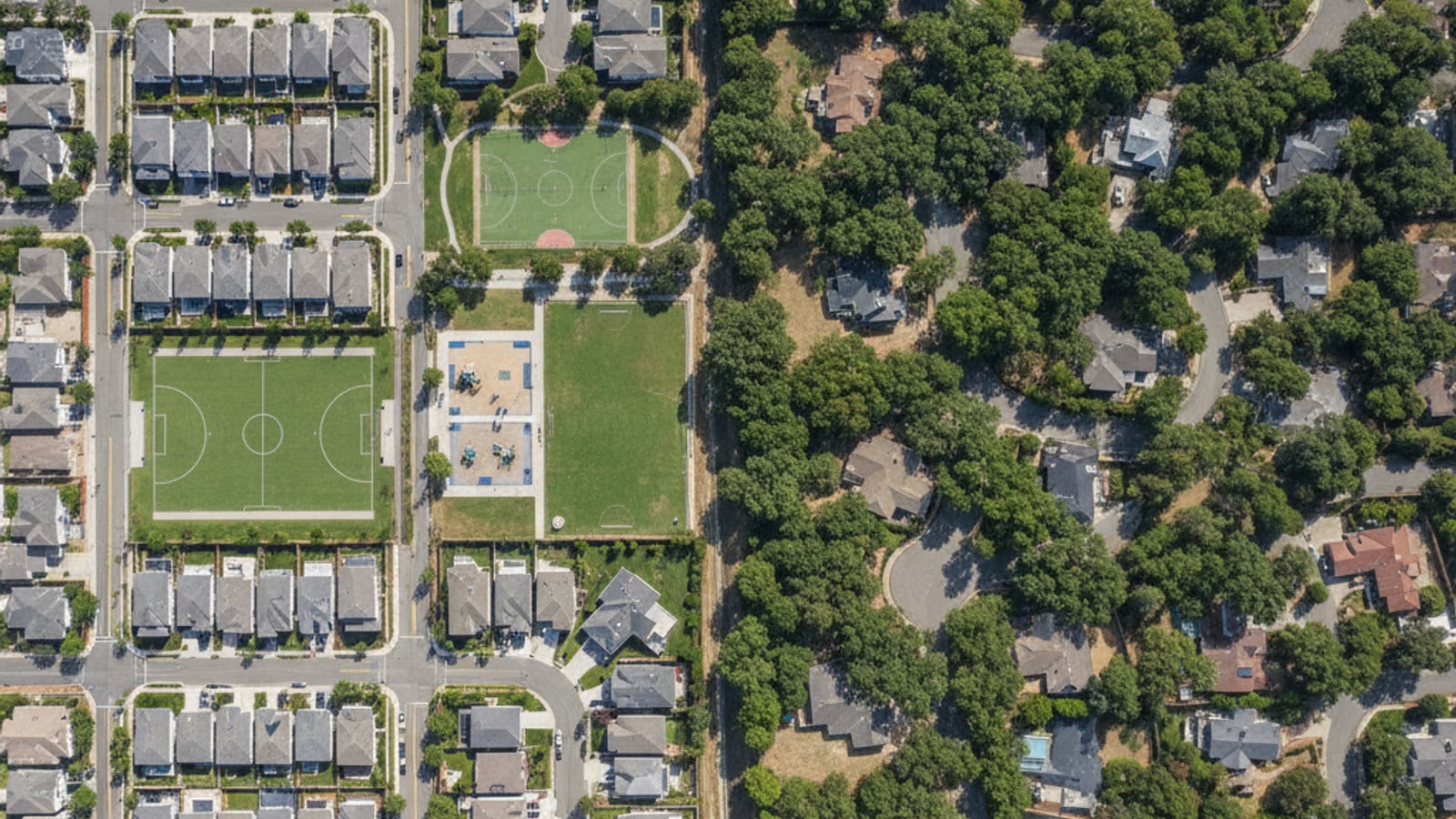
The local real estate market splits distinctly between the eastern and western portions of the city. West Roseville is dominated by master-planned communities and modern tract homes built over the last two decades. Buyers focusing on this area will find newer construction, grid-style neighborhood layouts, and integrated community parks.
These western developments frequently include mandatory homeowners association dues. Buyers should factor these monthly HOA fees into their debt-to-income ratios when qualifying for a mortgage. The new construction zones are also where buyers will encounter the highest concentration of Mello-Roos taxes.
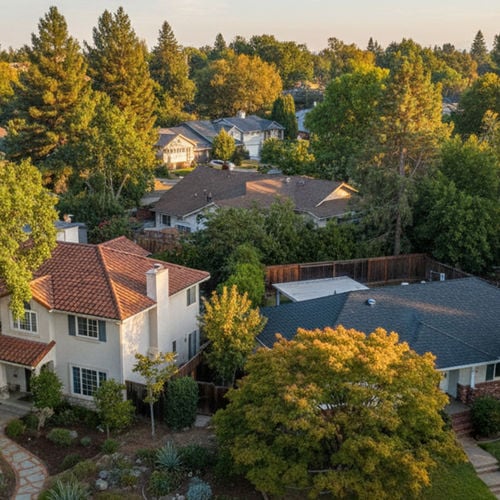
East Roseville offers a contrasting housing environment with older, established neighborhoods. Homes here often sit on larger custom parcels, and the streets feature mature oak trees that predate the city's major expansion. Properties bordering Granite Bay tend to offer the largest lot sizes, though they rarely hit the market and command premium prices.
Local Jobs and the Highway 80 Commute
The local economy is driven by major employers in the healthcare and technology sectors. Kaiser Permanente and Sutter Health operate large medical campuses within the city limits, employing thousands of residents. Hewlett Packard Enterprise also maintains a corporate presence, anchoring the local technology job market.
Residents commuting to downtown Sacramento typically rely on Interstate 80. During morning and evening rush hours, the drive takes 45 to 60 minutes depending on traffic conditions. Buyers should test this drive during peak hours if they plan to commute to the state capital daily.
Public transportation provides an alternative to highway driving. Roseville Transit operates commuter express routes that connect directly to downtown Sacramento. These buses run on fixed schedules aligned with standard state and corporate office hours, offering a hands-free option for daily travelers.
Parks, Trails, and Major Retail Centers
Roseville serves as the primary shopping destination for this section of Northern California. The Westfield Galleria at Roseville and the Fountains at Roseville sit across the street from one another, offering millions of square feet of retail space. These centers draw shoppers from as far as the Sierra foothills and the Sacramento valley.
Beyond retail, the city maintains an extensive network of paved multi-use paths. The Miner's Ravine Trail is a 6.37-mile route that accommodates cyclists, runners, and walkers. This path follows Dry Creek and connects several local green spaces without requiring users to cross major vehicle intersections.
Access to these outdoor spaces is integrated into the city's urban planning. Most residential subdivisions connect to the broader trail network through smaller neighborhood access points. Buyers who prioritize outdoor recreation often target homes within a half-mile of these primary trailheads.
How the Local School Districts Operate
Public education in the city is divided between two primary districts based on grade level. The Roseville City School District manages the elementary and middle schools, operating 21 facilities that serve over 12,000 students from kindergarten through eighth grade. This district handles the bulk of the rapid enrollment growth coming from the western subdivisions.
Older students attend campuses within the Roseville Joint Union High School District. This separate entity operates six comprehensive high schools across the region. Several of these campuses offer specialized academic tracks, including International Baccalaureate programs and Career Technical Education pathways.
Buyers should verify exact school assignments before writing an offer on a house. Because of the ongoing residential construction in West Roseville, attendance boundaries shift periodically to balance enrollment numbers. A home's current assigned school may change as new facilities open in the developing western tracts.
Frequently Asked Questions About Roseville
Does Roseville, CA have Mello-Roos taxes?
Yes, many neighborhoods in the city include Mello-Roos assessments. These are most common in the newer master-planned communities in West Roseville, where they fund new schools, roads, and fire stations. Buyers looking to avoid these extra tax layers should focus their search on the older, established neighborhoods in East Roseville.
Is Roseville cheaper than Sacramento?
The median home price in Roseville typically runs higher than the broader Sacramento average. However, residents often offset these higher housing costs through cheaper municipal utilities and different local tax structures. A $625,000 home in Placer County will have a different monthly carrying cost than a similarly priced property in Sacramento County.
Check out this article next