


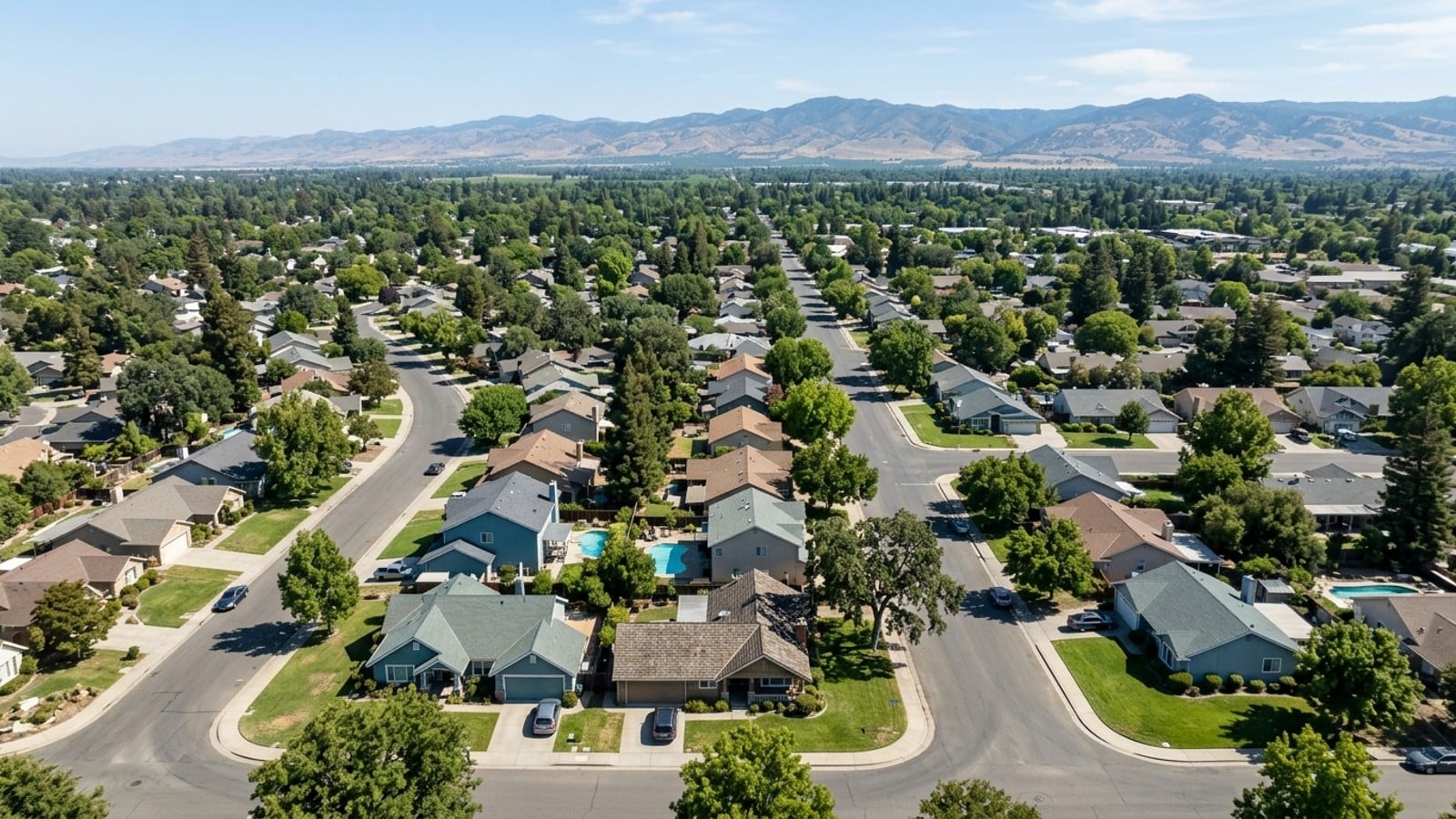
Homes in the Sacramento metro area are selling in about 20 days right now, with a median sale price hovering around $608,000. When properties move that fast and often land close to list price, buyers are putting serious money on the line with limited time to second-guess themselves. The information sellers provide upfront isn't a formality - it's what makes a confident offer possible when you sell a home in Sacramento.
That information flows through a formal process governed by state law. Completing the required paperwork accurately protects both sides from the kind of post-sale disputes that turn into expensive headaches. Sellers follow specific timelines, use standardized forms, and detail the condition of their home before the transaction closes.
What a Seller Disclosure Statement Does
The standard California Association of REALTORS (C.A.R.) Residential Purchase Agreement typically requires sellers to deliver all property disclosures within seven days of an accepted offer. That window exists so buyers can review the details before locking in their financing or completing their inspection contingencies - not after.
A seller disclosure statement is the legal document where the current owner lays out the known condition of the property. Age of the roof, a past plumbing leak, a structural repair from three owners ago - it all goes in here. Buyers use it to understand exactly what they're purchasing.
Sellers get something out of this too. Putting known issues in writing dramatically reduces the odds of a buyer reappearing six months after closing to claim something was hidden. Transparency upfront creates a much smoother path to the finish line.
The Meaning of SRPD and SPD
You'll hear real estate professionals throw around two terms: the Seller Property Disclosure (SPD) and the Seller Real Property Disclosure (SRPD). In California, both generally refer to the full package of required disclosure forms. The primary document inside that package is the Transfer Disclosure Statement (TDS).
How Disclosures Protect Both Parties
When a seller documents every known quirk and past repair, the buyer accepts the property with full knowledge of those conditions. That makes it very difficult for a buyer to sue later over something that was clearly spelled out in the paperwork. Both parties walk away from closing with a shared record of what was known - and that matters.
California Real Estate Disclosure Laws
California's residential disclosure requirements are codified primarily in Civil Code Sections 1102 through 1102.14. These statutes spell out exactly what sellers must share with potential buyers, and they apply broadly to most one-to-four-unit residential properties.
As of July 1, 2024, the state added Civil Code Section 1102.6h - known as the Flipper Disclosure Law - which layers on additional requirements for properties sold shortly after being renovated. Sellers need to know which statutes apply to their specific situation. Buyers reviewing a disclosure package will see a mix of state-mandated forms and supplemental questionnaires, all aimed at creating a standardized baseline of information for every residential transaction in the state.
Mandatory Disclosures for Sellers
The core of the package is the Real Estate Transfer Disclosure Statement (TDS), required under Civil Code Section 1102.6. Sellers must also provide a Natural Hazard Disclosure Statement (NHDS) under Civil Code Section 1103. For homes built before 1978, a Lead-Based Paint Disclosure is mandatory.
Many sellers also complete the Seller Property Questionnaire (SPQ). It's not specifically required by state law, but this C.A.R. form is widely used to supplement the TDS. Agents separately complete an Agent Visual Inspection Disclosure (AVID) documenting their own observations of the property.
Exemptions and As-Is Sales
Selling a home "as-is" means you won't make repairs. It does not mean you can skip disclosures. An as-is buyer still has every right to know about a broken HVAC system or a cracked foundation. The TDS and NHDS are still required, full stop.
Penalties for Failing to Disclose
Intentionally hiding a known defect is a serious mistake. If a buyer discovers an undisclosed problem after closing, they can sue for the cost of repairs and additional damages. California courts take these violations seriously - the disclosure statutes exist specifically to protect consumers, and judges treat them that way.
Is California a Non-Disclosure State?
California is not a non-disclosure state - not regarding sale prices, and not regarding property condition. The median sale price in the Sacramento area is roughly $608,000, and anyone can look up exactly what a specific home sold for after closing.
Some states keep final sale prices out of the public record, showing only that a title transferred without the dollar amount attached. California takes the opposite approach. The sale price is a matter of public record, and property condition disclosures - while private to the transaction - are legally required to be shared with the buyer before the deal closes.
That openness benefits everyone. Appraisers and agents can determine the value of homes using recent, verified sales data. Buyers have real numbers to work with when deciding what to offer.
Sale Price vs. Property Condition
The term "non-disclosure" trips people up because it can mean two different things - the financial terms of a sale or the physical state of the house. In California, the final recorded sale price is public information. Property condition disclosures are shared only within the transaction, but sharing them with the buyer is a legal requirement.
What This Means for Sacramento Buyers
You can pull recent sales in any Sacramento neighborhood and see exactly what those homes sold for. That data helps you write a competitive offer in the Sacramento housing market, where homes are moving in an average of 20 days. Then, once you're in escrow, you receive the full condition report from the seller - so you're not guessing on either the price or the property.
The Real Property Disclosure Form Details
The Transfer Disclosure Statement (TDS), required under Civil Code Section 1102.6, is a detailed checklist that walks through the physical components of the property. Sellers go line by line and mark the condition of various systems and appliances.
What the form requires is honesty, not technical expertise. Sellers only disclose what they personally know - nobody is expected to climb onto the roof or open up walls hunting for hidden problems. If you don't know the answer to a specific question, you say so. The form is designed to capture your actual knowledge at the time of the sale, nothing more.
Structural and System Condition
The TDS asks which appliances and systems are included in the sale and whether they're currently functioning. That covers plumbing, electrical wiring, heating, and air conditioning. Sellers also note any known issues with the foundation, roof, walls, and fences.
Environmental and Hazard Disclosures
Sacramento sellers disclose flood and fire hazard status through the statutory Natural Hazard Disclosure (NHD) report. This report covers six mapped hazard zones, including high fire hazard severity zones and dam inundation areas. Sacramento's location in the Sacramento-San Joaquin Delta makes flood disclosure a particularly significant piece of this - the NHD report specifically flags whether a home sits in a FEMA Special Flood Hazard Area (Zone A/AE) or an area protected by levees with uncertain certification status.
Buyers have a statutory three-day right to review the hazard report and terminate the contract if they choose. That window matters.
Known Defects and Repairs
If you previously repaired a major leak or replaced a faulty electrical panel, note it on the disclosure forms. Documenting past repairs tells the buyer the home has been maintained and protects you by creating a written record that they were informed of the property's history. A well-documented disclosure is not a liability - it's a defense.
Disclosure Deadlines and Transaction Timing
Under Civil Code Section 1102.3(a), sellers must deliver the completed TDS to the buyer "as soon as practicable before transfer of title." In practice, that means following the timeline in your purchase agreement.
The standard C.A.R. Residential Purchase Agreement typically requires all disclosures within seven days of an accepted offer. Meeting that deadline keeps escrow on track. Miss it, and the buyer's contingency timeline often extends automatically - which pushes everything else back. Prompt delivery also gives the buyer time to schedule inspections based on whatever the seller's forms flag.
Buyer Rescission Windows
California law gives buyers a defined window to walk away after receiving disclosure documents. Per Civil Code Section 1102.3(b), if a disclosure is delivered after the purchase offer is executed, the buyer has three days after personal delivery to terminate the offer. If documents are delivered by mail or electronically, that window extends to five days from delivery of written notice of termination. Know these timelines - they affect how you structure the transaction.
Sacramento County Recording Rules
The Sacramento Association of REALTORS publishes a local Disclosures and Disclaimers Advisory (DDA) covering specific regional issues like private roads, SmartMeters, and SHRA inclusionary housing agreements. This supplements the standard state forms with context that matters locally.
At the county level, the Sacramento County Clerk/Recorder's office, located at 3636 American River Drive, Ste. 110, requires a Preliminary Change of Ownership Report (PCOR) with every ownership transfer document. A documentary transfer tax (DTT) applies to any recorded document reflecting a property sale, and is typically paid at closing. There may also be an additional $75 Building Homes and Jobs Act fee, unless the transfer qualifies for an exemption - such as an owner-occupier residential transfer.
Frequently Asked Questions
What specific local hazards must be included in Sacramento seller disclosures?
Yes, local hazards must be disclosed through the Natural Hazard Disclosure (NHD) report. This statutory report covers six mapped hazard zones, including FEMA Special Flood Hazard Areas (Zone A/AE), dam inundation zones, and areas protected by levees with uncertain certification status. High or very high fire hazard severity zones are also included in this mandatory disclosure.
Do I still have to provide a Transfer Disclosure Statement if I sell my Sacramento house 'as-is'?
Yes. Selling a property "as-is" means you are not agreeing to make repairs, but you must still provide the statutory Transfer Disclosure Statement (TDS) and Natural Hazard Disclosure Statement (NHDS). You are legally required to disclose all known material defects to the buyer.
How much does it typically cost to get a Natural Hazard Disclosure (NHD) report in Sacramento, CA?
It depends on the third-party company you select to generate the report. State law mandates the disclosure of these hazard zones, but the cost of the NHD report varies by vendor. Your real estate agent can recommend a local provider to pull the required FEMA and dam inundation data.
What happens if a Sacramento seller fails to disclose a known property defect?
The seller can face legal consequences. If a buyer discovers a known but hidden defect after closing, they can pursue the seller in court for damages and the cost of repairs. California disclosure statutes are designed to protect buyers from intentional concealment.
At what point in the transaction timeline must I provide the disclosure documents to a Sacramento buyer?
It depends on your contract, but usually within seven days. Civil Code Section 1102.3(a) requires delivery "as soon as practicable before transfer of title," while the standard C.A.R. Residential Purchase Agreement typically mandates delivery within seven days of an accepted offer.
Are inherited properties or trust sales exempt from standard seller disclosure requirements in Sacramento, CA?
It depends on the specific nature of the transfer. Certain transfers are exempt from specific recording charges, such as the $75 Building Homes and Jobs Act fee for owner-occupier residential transfers. For standard TDS requirements, some trust and probate sales qualify for exemptions, but sellers should review the statutory exemptions with their agent or attorney to confirm their exact status.
Check out this article next