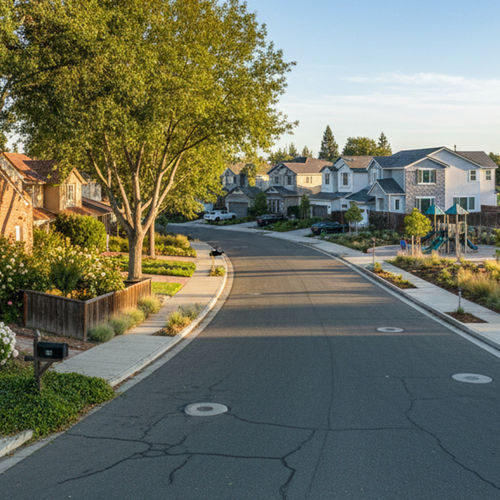


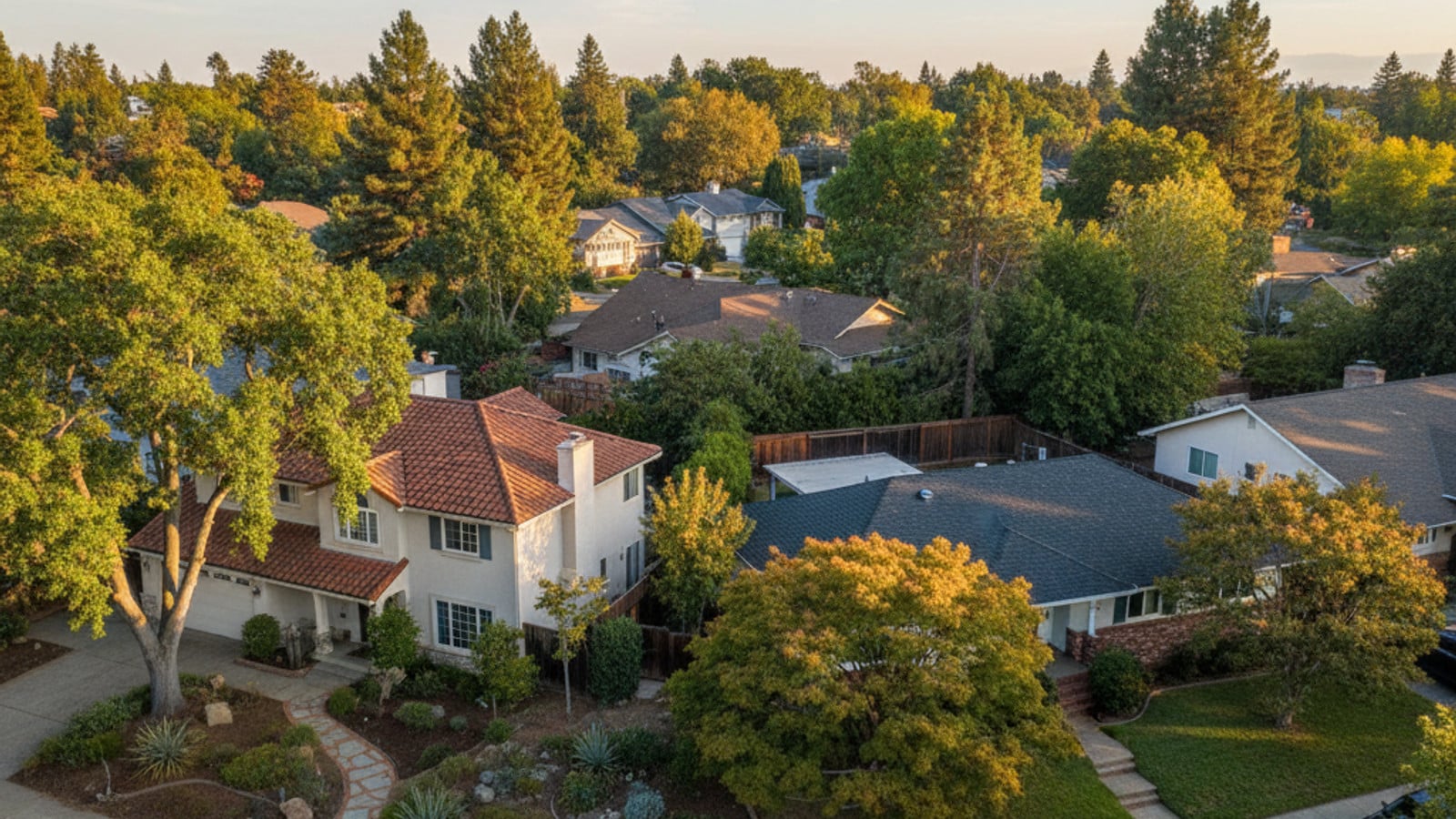
Roseville, CA sits about 20 miles northeast of Sacramento and consistently ranks as one of Placer County’s major economic hubs. The local economy is driven by large healthcare networks and major retail corridors, which helps support a median household income that outpaces the national average.
Relocating buyers often find that the overall cost of living in Roseville, CA runs about 30% above the national baseline. While that figure seems steep at first glance, everyday expenses here remain noticeably lower than what you would find in the San Francisco Bay Area or Southern California.
What to Expect for Daily Expenses
Housing, property taxes, utilities, and transportation make up the bulk of a typical household budget in this part of California. A higher local median income generally offsets the elevated cost of goods, allowing residents to maintain a comfortable standard of living.
The city's retail density also plays a role in stabilizing everyday prices. Because residents have immediate access to regional shopping centers and warehouse clubs, they rarely need to travel out of town or pay a premium for basic household necessities.
Local Housing Prices and Rental Rates
The median home value in Roseville sits between $625,000 and $650,000 as of mid-2026. This price point varies noticeably depending on which side of Interstate 80 you search for a property.
Established neighborhoods in East Roseville feature mature trees and older construction, while West Roseville consists largely of newer developments built over the last two decades. Renters face an average monthly payment of $1,980 for a standard one-bedroom apartment. Renting a larger single-family home pushes that average closer to $2,695 per month.
Factoring in Property Taxes and Mello-Roos Assessments
The base property tax rate for Placer County generally falls between 1.07% and 1.18% of the home's assessed value. Buyers purchasing new construction in West Roseville should also budget for Mello-Roos assessments.
These special tax districts fund local infrastructure like new roads, schools, and parks in recently developed areas. Mello-Roos fees can add several thousand dollars to your annual tax bill, so you should ask your real estate agent to verify these costs before making an offer.
Utility Bills: Roseville Electric vs. PG&E
Roseville operates its own municipal electric utility, which stands out as one of the biggest financial advantages of living within the city limits. Roseville Electric charges roughly 14 to 19 cents per kilowatt-hour for residential power.
In contrast, residents in neighboring cities rely on Pacific Gas and Electric (PG&E), where rates routinely average between 41 and 44 cents per kilowatt-hour. This municipal service translates to hundreds of dollars in savings during the hot summer months when air conditioning units run constantly.
While electricity comes directly from the city, natural gas service remains under PG&E jurisdiction for most local addresses. You should factor both providers into your monthly utility estimates when calculating your total housing costs.
Healthcare and Everyday Retail Expenses
Food costs for a single adult in Placer County average between $400 and $715 per month, depending on dietary preferences and dining out habits. The city offers dozens of grocery options ranging from discount supermarkets to premium organic grocers, giving residents plenty of ways to control their weekly food spending.
Healthcare expenses are supported by a massive local medical infrastructure. Sutter Roseville Medical Center and Kaiser Permanente operate large campuses right in town, providing comprehensive medical services without the need to travel into downtown Sacramento.
Non-grocery retail purchases are subject to the local sales tax rate, which applies to clothing, electronics, and household goods. The density of big-box stores along the Highway 65 corridor ensures competitive pricing on most consumer items.
Transportation Costs and Commute Times
A standard driving commute from Roseville to downtown Sacramento takes 45 to 60 minutes during morning peak hours. The primary routes involve taking Interstate 80 or Highway 65, both of which experience heavy volume during the typical morning and evening rushes.
Drivers should account for regular vehicle maintenance and higher-than-average California gas prices when building their transportation budget. If you prefer to skip the drive, the Roseville Transit Commuter service provides direct bus routes into downtown Sacramento.
These commuter buses take roughly 60 minutes to complete the trip, offering a hands-free alternative for daily workers. For local trips around town, residents can use the Roseville Transit Arrow service, which provides on-demand rides within the city boundaries.
Neighborhood Amenities and Local Schools
The Westfield Galleria at Roseville and the adjacent Fountains outdoor shopping center anchor the city's retail scene. These major destinations draw shoppers from across Northern California and generate substantial tax revenue that helps fund local public services.
Residents have access to an extensive network of paved trails and public green spaces, including Maidu Regional Park and the Dry Creek trail system. These amenities are maintained by the city and provide miles of outdoor recreation space.
The Roseville Joint Union High School District serves the area and operates multiple campuses across the city. The presence of well-equipped local schools often helps maintain steady property values over time.
Frequently Asked Questions
Is Roseville, California expensive to live in?
Compared to the national average, housing and goods here cost about 30% more. However, when measured against coastal California cities like San Francisco or San Jose, local real estate and daily expenses offer a much more affordable entry point into the state.
How much money do you need to live comfortably in Roseville, CA?
A single adult generally needs an annual salary around $85,000 to cover local rent, utilities, food, and transportation without financial strain. Households looking to purchase a median-priced $650,000 home should aim for a combined income closer to $140,000 to comfortably manage the mortgage and property taxes.
Are utilities cheaper in Roseville than in Sacramento?
Yes, electricity bills are noticeably lower here than in surrounding areas. Because the city owns its power grid, residents pay a fraction of the per-kilowatt-hour rates charged by major investor-owned utilities operating just outside the city limits.
What is the average commute time from Roseville to Sacramento?
Expect to spend about 45 to 60 minutes on the road if you are driving into downtown Sacramento during the 8:00 AM rush hour. Taking the local commuter bus requires a similar time commitment but allows you to avoid stop-and-go traffic on Interstate 80.
Check out this article next