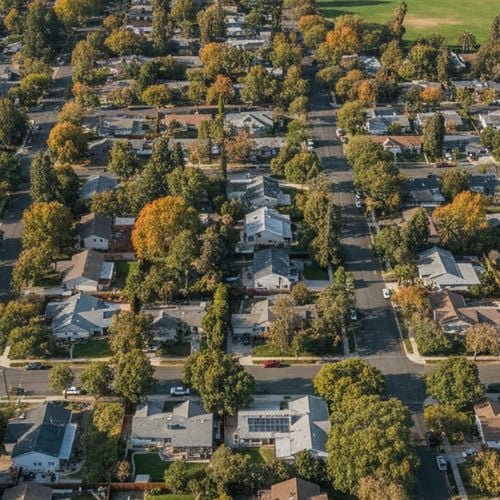


The median home sale price in the Sacramento, CA metro area sits around $608,000 as of mid-2026. Sellers who want to push their final sale price above that median need to know what local buyers are actively prioritizing. Partnering with the best real estate agent in Sacramento can help you identify these key buyer preferences.
Generic upgrades do not always translate to a higher return on investment. A fresh coat of paint helps, but buyers looking in East Sacramento or Natomas are usually searching for properties optimized for the Central Valley climate and lifestyle. Figuring out how to increase home value in Sacramento, CA comes down to matching your improvements with those specific regional demands.
What Buyers Want in a Sacramento Home Right Now
Active buyers show a strong preference for move-in ready properties. Homes that require major immediate repairs often sit longer on the market or receive lowball offers. Upgrading outdated systems removes a major hurdle for buyers who are already stretching their budgets to meet local home prices.
Climate-appropriate features consistently draw higher offers. Sacramento experiences long, hot summers, meaning buyers scrutinize cooling systems and outdoor spaces before making an offer. Prioritizing these regional necessities over purely cosmetic interior changes often yields a better return on investment when it is time to sell.
Current 2026 Market Conditions
Homes in the Sacramento metro area spend a median of about 20 days on the market before going under contract. Properties that are priced correctly and presented well often sell at or slightly above their list price. Recent data shows the average sale-to-list ratio hovering right around 100%, with roughly 40% of homes selling above the asking price.
Multiple offers remain common for turnkey properties across the region. Neighborhoods near the downtown grid, like Midtown and East Sacramento, see steady demand due to their proximity to major employment centers. Suburban areas like Natomas also maintain strong buyer interest, especially for homes offering extra square footage and modern amenities.
With about 5,337 active listings in the metro area, buyers have options. Sellers should ensure their property stands out in the inventory by presenting a well-maintained home. A property that looks and functions better than the competition nearby is more likely to secure a premium offer.
Top Return on Investment Projects for Local Sellers
Summer utility bills in the Central Valley often push buyers to look for energy-efficient homes. Updating heating, ventilation, and air conditioning systems is one of the most effective ways to attract offers. A modern, efficient HVAC unit assures buyers they will not face a massive replacement cost during their first few years of ownership.
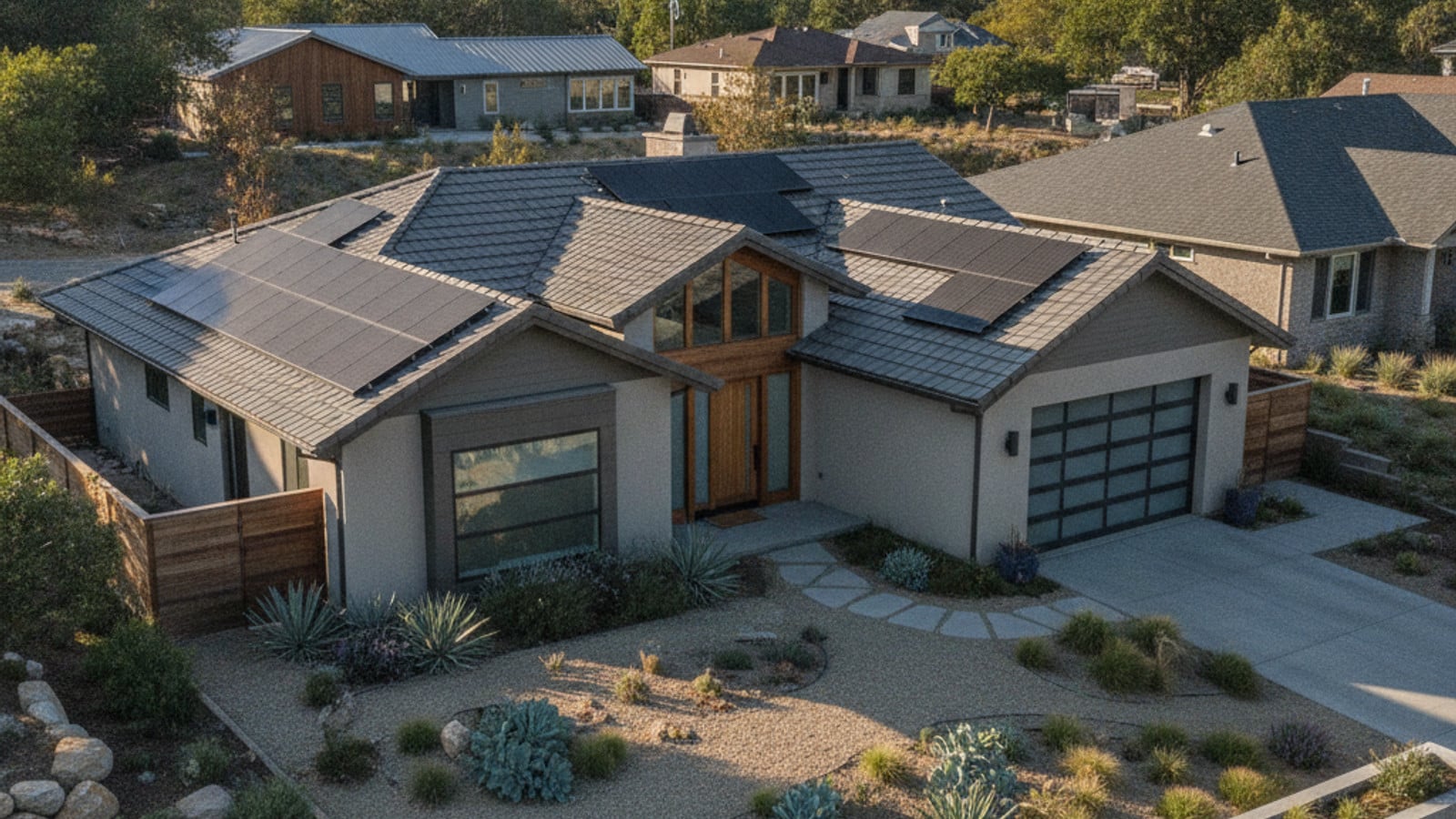
Landscaping choices also directly impact a home's perceived value and carrying costs. Drought-resistant landscaping reduces water bills and requires far less ongoing maintenance than a traditional grass lawn. Replacing thirsty turf with native California plants or hardscaping shows buyers the property is both environmentally conscious and affordable to maintain.
Solar panels offer another major financial benefit for reducing energy costs in California. Homes equipped with owned solar systems frequently appraise higher and sell faster than comparable homes relying entirely on the grid. Buyers recognize the immediate monthly savings, making it a strong selling point.
Structural Additions That Draw Premium Offers
Adding an accessory dwelling unit (ADU) or secondary suite creates immediate potential for rental income. Detached ADUs are a growing trend across California, offering space for multigenerational housing or passive income. Buyers are often willing to pay a premium for a property that can help offset their own mortgage payments.
Outdoor living areas also expand the usable square footage of a property. Covered patios, built-in shade structures, and outdoor kitchens allow residents to use their backyards comfortably year-round. These additions transform a basic backyard into an extension of the main living space.
Inside the house, updated kitchens continue to drive the final list price higher. Buyers prioritize modern cabinetry, durable countertops, and energy-efficient appliances. A well-executed kitchen remodel often becomes the focal point of a buyer's decision-making process.
How Location and Commute Times Impact Your Sale Price
Commute times dictate where many buyers choose to look for a home. Properties with easy access to Interstate 5 and Highway 50 attract buyers who need to travel to downtown offices or out toward the Bay Area. The less time a buyer spends in traffic, the more they are typically willing to pay for the location.
Homes located near the downtown grid command price premiums due to their walkability and transit access. Neighborhoods like East Sacramento offer quick access to urban amenities while maintaining a residential feel. Buyers in these areas often prioritize proximity to local restaurants, coffee shops, and entertainment venues.
Access to outdoor recreation further boosts property values. Homes near the American River Parkway or walkable neighborhood parks give residents immediate access to miles of biking and running trails. Proximity to top-rated elementary schools and local playgrounds also consistently supports higher home valuations in suburban areas like Natomas.
Timing Your Listing for Maximum Profit
Spring and early summer are historically the peak seasons for home sales in Northern California. The start of the real estate sales season brings a surge of buyers into the market, increasing competition for available homes. Listing during this window maximizes the number of potential buyers touring the property.
Sellers should plan their timelines backward from a target spring listing date. Completing remodeling projects, painting, and landscaping during the winter months ensures the home is ready before the spring inventory rush begins. Missing this peak window can sometimes mean competing with more active listings later in the year.
Frequently Asked Questions
What are the best ways to increase home value in Sacramento, CA?
The most effective upgrades focus on climate resilience and energy efficiency. Installing a modern HVAC system or drought-tolerant landscaping directly addresses the high summer temperatures in the Central Valley.
How much does an ADU increase home value in Sacramento?
An accessory dwelling unit can add anywhere from 20% to 30% to a property's overall valuation, depending on its size and finish quality. Many buyers actively seek out these secondary suites to generate rental income that offsets their monthly mortgage costs.
How much value do pools add to Sacramento home real estate?
An in-ground pool can add around 5% to 8% to your home's total value in this specific climate. While they require maintenance, the frequent 100-degree summer days make them a popular request among local buyers.
Are home prices dropping in Sacramento, CA?
Home prices are holding steady and even showing slight growth as of mid-2026. The median sale price sits at roughly $608,000, supported by a steady market where homes sell in about 20 days.
What is the housing market forecast for Sacramento, CA in 2026?
The market is projected to remain stable with consistent buyer demand through the rest of the year. With just under three months of housing supply currently available, sellers maintain a slight advantage in negotiations.
When is the best time of year to sell a house in Sacramento?
Late spring through early summer typically produces the strongest offers and fastest sales. Listing in May or June positions your property in front of the largest pool of active buyers before the extreme late-summer heat sets in.
Which home renovations offer the worst return on investment for Sacramento sellers?
High-end, hyper-customized luxury upgrades rarely recoup their full cost at the closing table. Installing expensive imported materials or converting a bedroom into a specialized hobby space often limits the home's appeal to the broader buyer pool.
Check out this article next