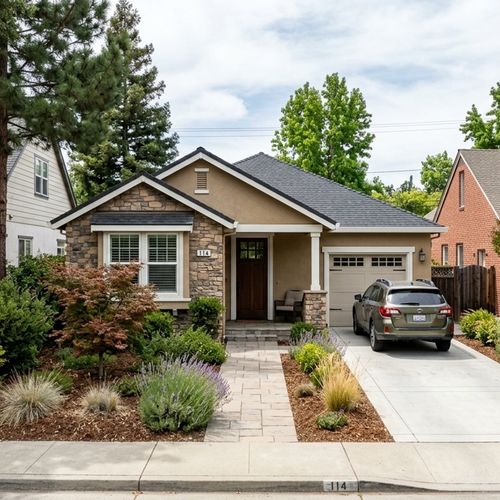


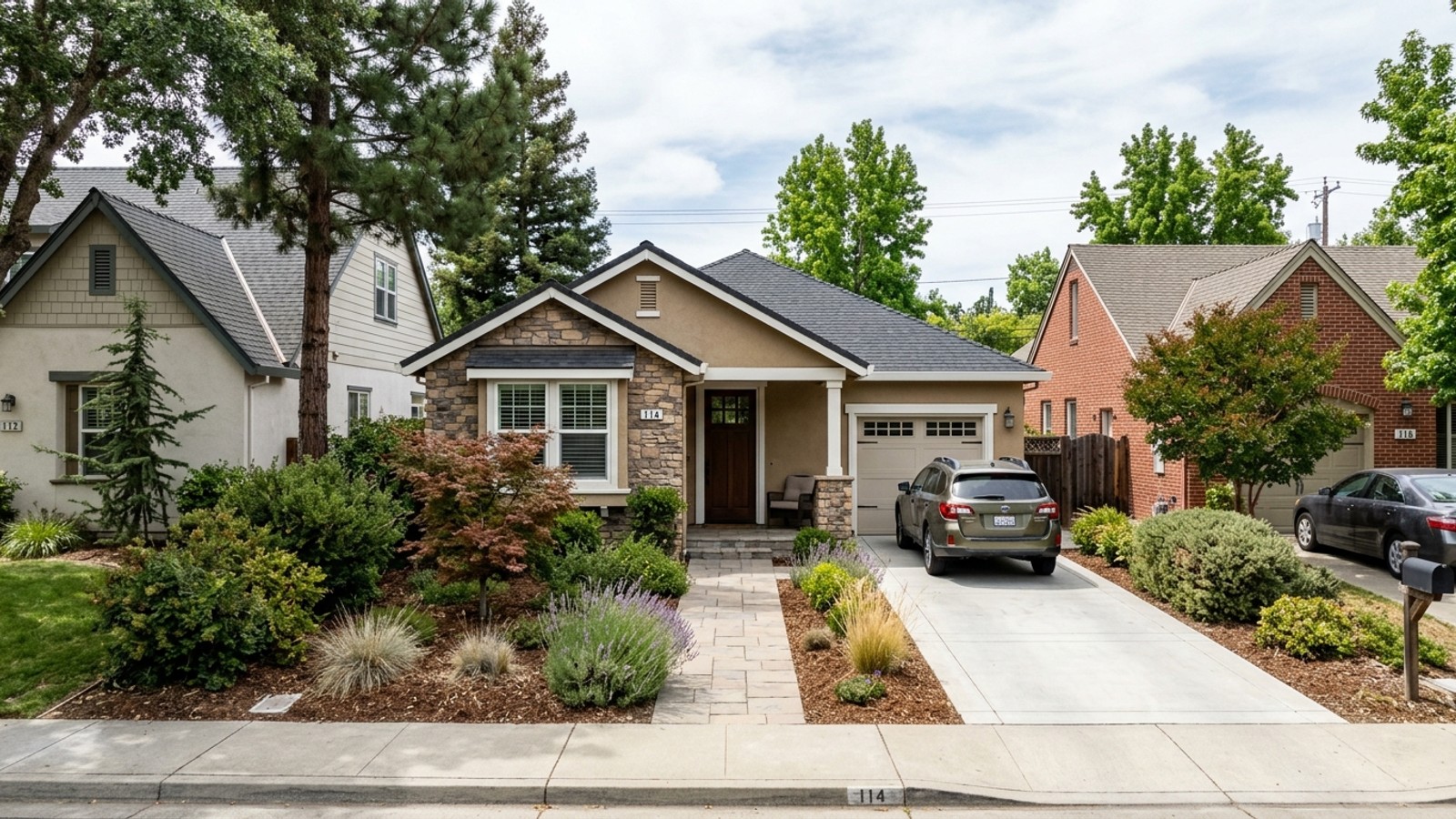
The median home sale price in the Citrus Heights, CA housing market sits around $481,000 - a meaningful entry point compared to what you'd pay elsewhere in the Sacramento area. Investors looking for a foothold in Northern California come here for the relatively stable tenant base and a housing inventory that doesn't require a decoder ring to understand.
Property values have grown roughly 93% over the past decade, though the past year has softened noticeably. Before you commit to anything, you'll want a clear read on current rent averages, time on market, and what's actually happening at the neighborhood level.
The Market for Real Estate Investors in Citrus Heights, CA
Market data from May 2026 shows homes selling in a median of 15 days, with 60 homes purchased during that period and more than half going above asking price. That's not a slow market. The area is carrying about 2.4 months of housing supply, with roughly 146 homes available at any given time - competitive enough that if a property pencils out for you, sitting on it is a losing strategy.
Home prices, appreciation, and average rents
The median sale price is down a modest 0.8% year-over-year to $481,000. Zillow's Home Value Index puts the typical home value a touch lower at around $477,114. Long-term appreciation is strong at roughly 93% over ten years, but the past 12 months have slowed to about 1.41% - worth factoring into your return projections rather than extrapolating from the decade-long trend.
On the rent side, average monthly rents run between $1,750 and $1,756. Studio and two-bedroom units tend to fall lower, in the $1,225 to $1,425 range depending on the source.
Buyer demand and market competition
The average sale-to-list ratio here is 101%, which tells you sellers are generally getting their price or a little more. Homes average two offers, and Redfin puts the market's competitiveness score at 80 out of 100. If you're planning to lowball well-priced listings, don't.
Local Data Driving the Citrus Heights Rental Market
Citrus Heights has a population of roughly 87,000 - recent estimates land between 86,142 and 88,809 - and the trend since the 2020 Census has been flat to slightly down. That's not a red flag; it's actually useful. A stable population means a predictable renter pool, which makes occupancy projections far more reliable than they'd be in a market swinging through a boom.
The demand here leans toward standard single-family homes and mid-sized apartments. Nothing exotic required.
Expected rental income and property values
Monthly rental income averages near $1,756, depending on property type. Median list prices hovered around $475,000 in July 2026. Whether those two numbers produce positive cash flow on a specific property depends entirely on the property - its taxes, its condition, its financing. There's no shortcut here. You have to run the numbers on each listing individually, because cap rate data doesn't generalize cleanly across a market this size.
Strategies for a Citrus Heights, CA Investment Property
Buy-and-hold tends to work well in markets with consistent tenant demand, and Citrus Heights qualifies. Steady rent payments while you wait for equity growth is a straightforward thesis. Flipping is also viable, but the tight 2.4 months of supply means distressed properties at meaningful discounts don't fall into your lap - you'll need to monitor new listings daily and move fast on anything needing primarily cosmetic work.
Standard real estate rules of thumb
The 1% rule says your monthly rent should equal 1% of the purchase price. With a $481,000 median and average rents around $1,750, you won't hit that threshold on a typical single-family home - you'd need a multi-family property or a below-market purchase to get there. The 2% rule is essentially off the table at these prices.
House flippers generally rely on the 70% rule: pay no more than 70% of the after-repair value minus your renovation costs. The 3-3-3 rule and the 7% rule round out the standard screening toolkit before you get into detailed spreadsheet work. None of these replace the spreadsheet; they just tell you whether a property is worth building one.
Short-Term and Month-to-Month Rental Demand
Furnished rentals in this part of the Sacramento metro can attract traveling professionals and temp workers who need more than a hotel but less than a year-long lease. Month-to-month arrangements appeal to people relocating to the area who haven't settled on a permanent situation yet. A well-set-up mid-term furnished rental can command higher monthly rates than a standard annual lease - though whether local demand supports that in Citrus Heights is something you'll need to verify before buying furniture.
Short-term rental regulations
This is one area where I'll tell you plainly: don't rely on what you find in a general search. Citrus Heights doesn't have widely publicized permit requirements or restrictions in standard public databases, which means a call to the city planning department isn't optional - it's the first step. California short-term rental regulations can change, and any homeowners association rules on a specific property could prohibit stays under 30 days regardless of what the city allows. Check both before you commit.
Citrus Heights Neighborhoods to Consider for Investment
Several established areas come up consistently when you're looking at rental activity in Citrus Heights: Sunrise Oaks, Birdcage Heights, Rusch Park, Sylvan Old Auburn Road, Northwest Citrus Heights, and Arcade Creek. These neighborhoods carry a mix of single-family homes and smaller multi-unit buildings, and rental turnover is regular enough to suggest ongoing demand.
There's no verified data ranking these areas by return on investment. Anyone claiming otherwise is guessing.
Finding commercial and multi-family opportunities
If single-family homes aren't your target, commercial and multi-family properties exist throughout the city. Multiple income streams from one asset help cushion a single vacancy - that's the straightforward appeal. A commercial real estate broker familiar with Citrus Heights can help you locate off-market apartment buildings or retail spaces that never hit the public portals. When you're evaluating these larger assets, tenant history and maintenance records aren't optional reading - they're where the real story lives.
Next Steps for Purchasing a Citrus Heights Property
Get your financing sorted before you start making offers. In a market where homes go in 15 days, showing up without a clear financing picture is a quick way to lose properties. Investment loans routinely require larger down payments and stronger credit profiles than a primary residence mortgage, so know exactly where you stand before you go under contract.
Walk every property yourself with an eye for deferred maintenance, outdated electrical, and foundation issues. These are the problems that quietly shred your returns after closing - and they're almost always visible if you know what you're looking for.
Working with local professionals
A local agent who actually works Citrus Heights can pull comparable sales and rental data for specific streets - not just zip code averages. That matters when you're trying to underwrite a specific address. Public information on local real estate investment associations in Citrus Heights is limited, but property managers and contractors who work the area regularly are worth getting to know. They're often the first to hear about off-market opportunities, and the relationships tend to pay off in better maintenance pricing over time.
Frequently Asked Questions
Which neighborhoods in Citrus Heights offer the best ROI for rental properties?
There is no verified data ranking Citrus Heights neighborhoods strictly by ROI. Areas like Sunrise Oaks, Birdcage Heights, and Rusch Park are established with consistent rental activity - but that's a starting point for research, not a conclusion.
How much down payment capital do I need to buy an entry-level investment property in Citrus Heights?
Lenders typically require 15% to 25% down on an investment property. At the median sale price of around $481,000, you're looking at somewhere between $72,150 and $120,250 depending on your loan terms.
Is it better to invest in Citrus Heights or neighboring Roseville for long-term appreciation?
Citrus Heights has seen 10-year cumulative appreciation of about 93.75%, though 12-month growth has slowed to 1.41%. A fair comparison to Roseville requires pulling current appreciation data for that city specifically - there's no shortcut around it.
Does Citrus Heights have any local rent control ordinances or strict short-term rental regulations?
No source-verified details on short-term rental permit requirements for Citrus Heights exist in standard public databases. Contact the city planning department directly before making any assumptions about what's permitted.
How long does it typically take to find qualified tenants for a single-family home in the Citrus Heights market?
Standardized days-on-market data for rentals isn't widely available, but the for-sale market is competitive enough - homes are selling in a median of 15 days - to suggest a healthy pool of people actively looking for housing in the area.
What types of investment properties are most in demand among Citrus Heights renters?
Standard single-family homes and mid-sized apartments see the most consistent demand. Studio and two-bedroom units are also common, with rents for those sizes generally running $1,225 to $1,425 per month.
Check out this article next