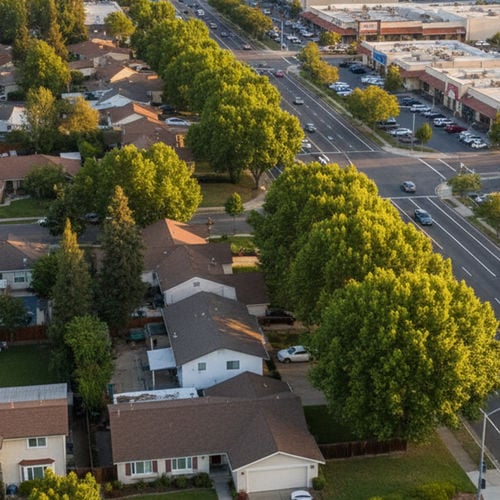


Citrus Heights, CA, sits in the heart of the Sacramento Valley, where summer temperatures regularly push past 90 degrees. Buyers looking at homes here will quickly realize that the local environment dictates everything from utility bills to backyard landscaping choices. The area experiences a Mediterranean climate characterized by long, dry summers and mild, wet winters.
Understanding the weather and climate in Citrus Heights, CA, helps you budget for energy costs and evaluate property features. A house with aging single-pane windows will cost far more to cool in July than a modernized property with proper insulation. Knowing how seasonal shifts work in this part of California makes it easier to find a home that fits your lifestyle year-round.
What to Expect from the Citrus Heights Climate
The Sacramento region follows a distinct weather pattern with nearly zero precipitation from May through September. Summer days bring low humidity and abundant sunshine, followed by evening cooling known as the Delta Breeze. Wind speeds typically average 5 to 10 mph, which helps lower evening temperatures after the sun goes down.
Winter shifts the pattern entirely, bringing the bulk of the area's yearly moisture. Snow does not fall in this part of the valley, so winter weather consists of rain showers and morning fog. Residents rely on these winter storm systems to replenish local reservoirs and sustain the region through the dry summer months.
Temperature Ranges and Rainfall Averages
Average summer high temperatures routinely reach 93 to 95 degrees, though heat waves can push the thermometer higher. The historical maximum for the area stands at 114 degrees. Winter brings a sharp contrast, with nighttime lows averaging 38 to 40 degrees and occasional dips below freezing, including a historical low of 17 degrees.
The city receives about 22 inches of rain in a typical year. The chance of precipitation peaks between November and March, while the summer months remain completely dry. Buyers should check property drainage systems to ensure they can handle excess water during peak winter storms.
How Local Weather Shapes Home Features
Central air conditioning is standard in almost every local property due to the prolonged summer heat. Buyers touring older homes should inspect the age and condition of the HVAC system, as replacing a failing unit can cost thousands of dollars. Energy-efficient windows and adequate attic insulation also play a major role in keeping interior temperatures manageable.
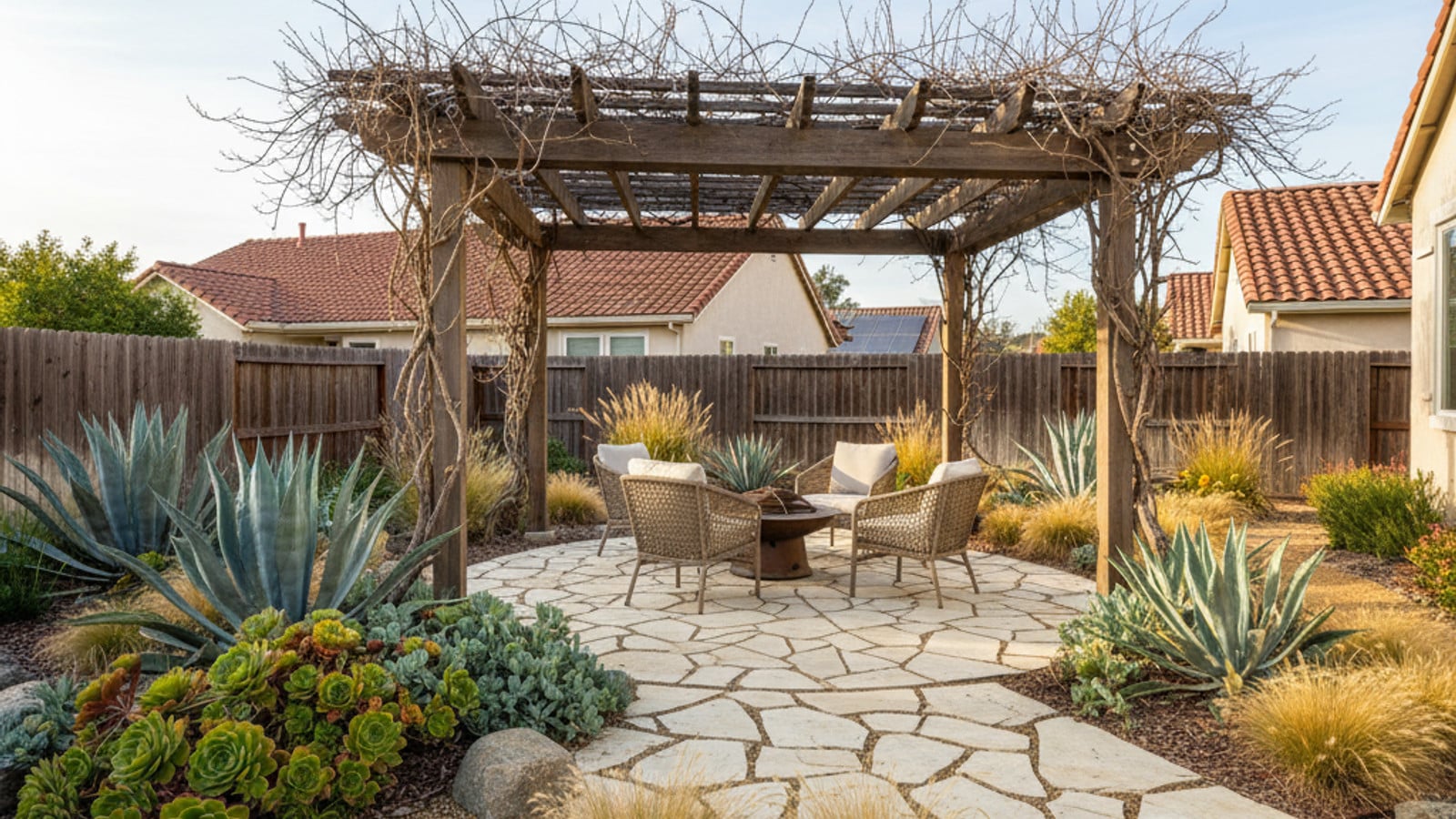
Exterior spaces in this market are designed around sun protection and water conservation. Many properties feature covered patios or pergolas to block direct sunlight and create usable outdoor space during the afternoon. Homeowners frequently replace thirsty grass lawns with drought-resistant landscaping to manage water usage during dry spells.
Utility Costs for Heating and Cooling
Electricity in the area comes from the Sacramento Municipal Utility District (SMUD), while Pacific Gas and Electric (PG&E) supplies natural gas. SMUD electricity bills average $100 to $150 monthly during the mild spring and fall seasons. When summer cooling demands peak, those bills can easily double, reaching $300 or more depending on the home's size and efficiency.
Winter heating relies primarily on natural gas, which causes PG&E bills to rise from December through February. Water, sewer, and garbage services are typically billed together by local utility districts. These combined municipal services average $150 to $200 per month for a standard single-family home.
Regional Weather Risks and Air Quality
The primary environmental risk in the Sacramento valley comes from California's annual wildfire season. While fires rarely threaten the city directly, smoke from surrounding mountain ranges frequently settles into the valley. This wildfire season typically peaks from August to October, creating periods where the air quality index reaches unhealthy levels.
During dense smoke days, residents keep windows closed and rely on indoor air purifiers to maintain clean air inside their homes. Upgraded HVAC filters with high MERV ratings help capture fine particulate matter drawn in from the outside. Buyers should consider factoring the cost of air purification systems into their initial moving budget.
Winter brings a different set of seasonal challenges, primarily related to intense rainfall. Localized flooding can occur near low-lying creek beds and older drainage areas during atmospheric river events. While widespread flooding is rare, buyers should review the property's flood zone designation and check for proper yard grading.
Using Local Amenities Across the Seasons
Seasonal temperature shifts dictate how and when residents use public parks and outdoor recreation areas. During the summer, morning visits to places like Rusch Community Park are common before the afternoon heat sets in. This 53-acre facility includes a community pool, which sees consistent use from June through August.
The nearby American River Parkway provides another popular escape during the hottest months. The river water remains cold year-round, offering a place for swimming, kayaking, and shaded trail walking. Access points are just a short drive away, making it a routine weekend destination for locals.
The mild winter and spring seasons open up different outdoor opportunities. Golf courses in the area remain open year-round, as the lack of snow allows for winter play. Spring brings blooming wildflowers and comfortable mid-day temperatures, creating the best conditions for hiking in the nearby Sierra Nevada foothills.
Tracking the Local Forecast
Checking the daily outlook is a routine part of living in the Sacramento region. Residents often consult the National Weather Service and The Weather Channel for accurate tracking of incoming heat waves or winter storms. Looking at a 10 day weather or 7-day forecast helps homeowners plan outdoor maintenance and adjust irrigation schedules.
When winter storm systems move through Northern California, tracking the hourly forecast becomes more useful. A quick glance at the local radar can show exactly when a light shower or heavy downpour will hit the area. This real-time data helps commuters plan their drive times on Interstate 80 or Highway 50.
Monitoring the current weather conditions is also helpful during the fall fire season. Wind shifts can change air quality rapidly, turning a clear morning into a smoky afternoon. Having a reliable weather app on your phone ensures you have the latest data before heading out.
Frequently Asked Questions
Does it snow in Citrus Heights, California?
Snow does not fall in this part of the Sacramento Valley. Winter precipitation arrives entirely as rain, with the lowest temperatures usually hovering just above freezing. The closest snowplay areas are located about an hour east in the Sierra Nevada mountains.
What are the average yearly temperatures and precipitation in Citrus Heights, CA?
Summer highs average between 93 and 95 degrees, while winter lows sit around 38 to 40 degrees. The city receives roughly 22 inches of rain annually. Almost all of this precipitation falls between November and March.
How does the California wildfire season affect Citrus Heights?
Wildfires in the surrounding regions blow smoke into the valley, lowering air quality from August through October. The city is not in a high-risk fire zone itself, but the resulting smoke requires residents to limit outdoor time. Upgrading home HVAC filters helps manage indoor air quality during these months.
Check out this article next