

The median home price in Citrus Heights, CA currently sits near $475,000. This price point makes the city a frequent target for buyers looking to stay within Sacramento County without paying downtown premiums.
Evaluating the cost of living in Citrus Heights, CA requires looking at more than just a mortgage payment. Buyers should account for local utility rates, commuting expenses along Interstate 80, and everyday spending at places like the Sunrise MarketPlace.
How Citrus Heights Compares to the Rest of California
The overall cost index for this area runs about 14% to 19% higher than the United States baseline. Housing expenses drive the bulk of that difference.
While it costs more to live here than the national average, the city remains less expensive than coastal California markets. Everyday expenses track closely with the broader Sacramento metro area.
Residents pay the standard California state income tax alongside local sales taxes. Buyers should factor these local tax rates into their monthly take-home pay calculations.
Current Home Prices and Real Estate Trends
Single-family homes in Citrus Heights average between $470,000 and $475,000 as of May 2026. This pricing offers a noticeable discount compared to neighboring Roseville or Fair Oaks.
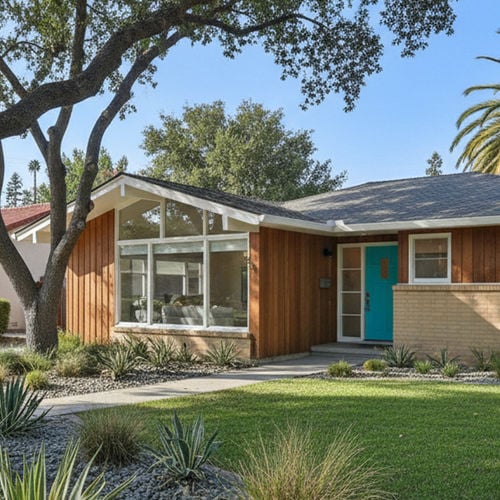
The local housing inventory includes everything from mid-century starter homes to properties within established homeowner associations. Buyers looking for lower entry prices often focus on neighborhoods bordering Carmichael.
Property taxes add a predictable expense to homeownership here. The effective property tax rate generally lands between 1.05% and 1.18%, slightly above the base 1% California rate due to local bonds and assessments.
What to Expect for Monthly Rent
The rental market provides an alternative for those not ready to purchase a home. Monthly rates depend largely on square footage, available parking, and proximity to major transit routes.
Renters will find a mix of large apartment complexes and single-family rental homes. The city also maintains several assisted living facilities and income-restricted properties for seniors.
Budgeting for an apartment requires knowing the local baseline. Standard monthly rental rates currently average out to the following:
Studio apartments typically cost around $1,392 per month.
Standard one-bedroom apartments range from $1,598 to $1,800.
Two-bedroom and three-bedroom units or detached rental homes often exceed $2,200 depending on yard size and location.
Budgeting for Utilities, Groceries, and Healthcare
Basic utility packages for a standard home average around $359 per month. This covers electricity, natural gas, water, and trash collection. Summer air conditioning use will push electricity bills higher.
Grocery bills align with standard Northern California pricing at local supermarkets. Shoppers pay standard regional prices for household goods, fresh produce, and daily necessities.
Healthcare expenses include monthly insurance premiums and routine out-of-pocket costs for copays. Dining out at a local restaurant adds a premium compared to preparing a meal at home.
Commuting and Transportation Expenses
Most residents rely on Interstate 80 to reach downtown Sacramento for work. Commute times run about 25 to 35 minutes during typical morning traffic.
Local gas prices consistently run higher than the national average, frequently exceeding $4.10 per gallon. Drivers should also budget for California's annual vehicle registration fees and standard maintenance costs.
For those who prefer not to drive, the local bus system provides routes connecting to light rail stations. While certain neighborhoods offer easy walkability to nearby shopping centers, a personal vehicle remains the most common way to get around.
Parks, Schools, and Local Shopping
The San Juan Unified School District serves the majority of the city. Students attend various elementary, middle, and high schools distributed across different neighborhoods.
Retail options center around the Sunrise MarketPlace and the surrounding commercial corridors. Residents have quick access to major department stores, local boutiques, and everyday services without leaving the city limits.
Rusch Community Park serves as a central hub for outdoor recreation, featuring sports fields, a public pool, and walking paths. Buyers evaluating the area often review local police department data and crime statistics to understand the specific block they plan to purchase on.
Frequently Asked Questions
Is Citrus Heights, CA an expensive place to live?
The city is more expensive than the national average but offers a lower barrier to entry than coastal California. With median home prices near $475,000, it provides a more accessible starting point than nearby Roseville.
What is the average income in Citrus Heights, CA?
Household incomes typically hover around $75,000 to $85,000 annually. This earning level helps residents manage local housing costs and the standard California tax burden.
How does the cost of living in Citrus Heights compare to Sacramento?
Everyday expenses like groceries and utilities remain nearly identical between the two cities. However, homebuyers often find larger lots and slightly lower price-per-square-foot ratios in the suburbs compared to the downtown Sacramento core.
Check out this article next