

Citrus Heights, CA sits squarely in Sacramento County along the Interstate 80 corridor. The city is home to roughly 87,000 residents and serves as a central hub between downtown Sacramento and neighboring suburbs like Roseville and Orangevale. This centralized location makes it a popular target for regional commuters.
Buyers looking for homes in the Sacramento area often target this municipality for its established neighborhoods and centralized commercial districts. The cost of living here tends to run slightly lower than in neighboring Placer County, while offering similar access to major regional employers.
Relocating to a new city requires a clear understanding of the local housing market, commute times, and available amenities. The following information outlines what buyers and renters can expect from the local landscape this year.
Housing Market and Median Home Prices
The median home value in Citrus Heights sits between $450,000 and $475,000 as of mid-2026. This price point represents a more accessible entry into homeownership compared to the higher median values found just north in Roseville. Buyers often find their purchasing power stretches further here.
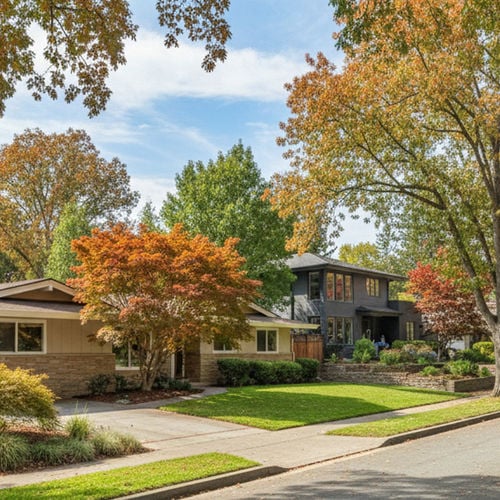
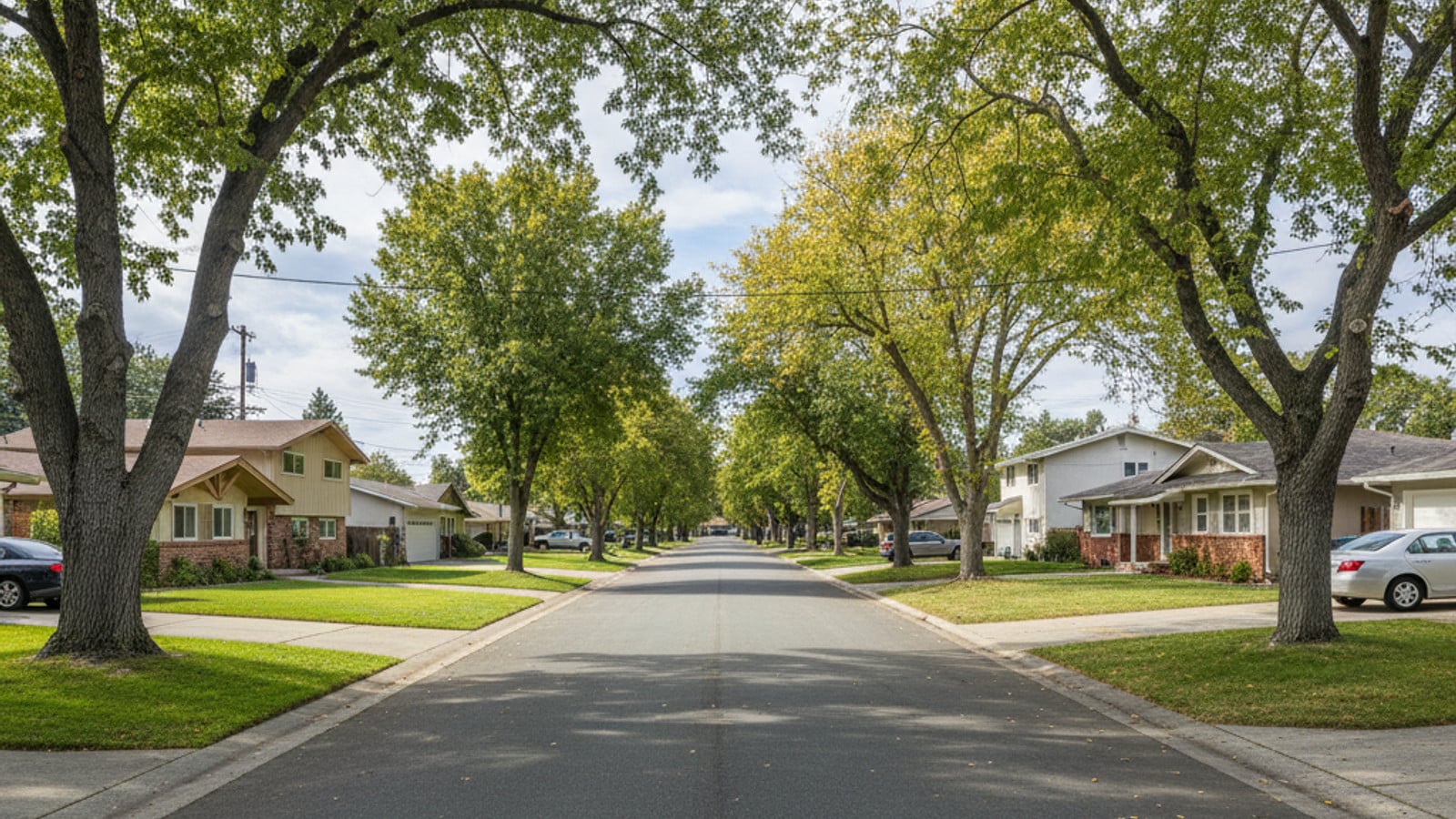
Available real estate consists largely of mid-century single-family homes built between the 1970s and 1990s. Buyers will also find pockets of townhouses, condominium complexes, and a handful of newer infill developments scattered across the city limits.
The local market moves quickly, with homes for sale in Citrus Heights averaging around 18 days on market before going under contract. Buyers should secure their mortgage pre-approval early to ensure they can submit competitive offers on desirable properties.
Renters exploring the area will find a steady supply of apartment complexes and leased residential homes. Average monthly rents for a two-bedroom apartment currently range from $1,800 to $2,100, providing an affordable housing option for those not yet ready to purchase.
Commercial Growth and the Sunrise Mall Project
The 100-acre Sunrise Mall property is undergoing a massive transformation under the city's Sunrise Tomorrow Specific Plan. This ongoing 2026 redevelopment is shifting the outdated retail space into a modern, mixed-use destination.
A major anchor for this project is the approved Sunrise Sports Center, a planned 160,000-square-foot indoor athletic complex designed to host regional tournaments. Commercial leasing has also gained momentum, with Slick City Action Park securing a 31,000-square-foot indoor recreation space earlier this year.
These additions are bringing new entertainment venues and retail jobs directly into the local economy. Residents can expect continued construction and road improvements around the Sunrise Boulevard corridor as the city builds out this new commercial hub.
Beyond the mall redevelopment, everyday shopping needs are easily met along Greenback Lane. This major thoroughfare houses multiple grocery chains, home improvement stores, and local dining options.
Commute Times and Public Transportation
Downtown Sacramento is located about 15 miles southwest of the city center. Drivers taking Interstate 80 can expect a 20 to 30-minute commute during typical morning traffic, though delays are common near the Capital City Freeway interchange. Checking a live map before leaving is always a good idea.
Alternative driving routes include Auburn Boulevard and Greenback Lane, which provide slower but steady paths through neighboring suburbs. Commuters traveling north to Roseville or Rocklin generally face a much shorter drive of 10 to 15 minutes.
Public transportation operates through the Sacramento Regional Transit District, known locally as SacRT. Commuters often utilize the nearby Blue Line light rail stations, specifically the Watt/I-80 and Roseville Road stops, to bypass highway traffic entirely.
For localized trips, residents have access to the SmaRT Ride on-demand transit program. This micro-transit service operates throughout the Citrus Heights, Orangevale, and Antelope zone, allowing riders to request shuttle pickups via a smartphone app.
Local Public Schools and Higher Education
The San Juan Unified School District serves the vast majority of students living within the city limits. The local public education system includes six elementary schools, three K-8 campuses, one middle school, and two primary high schools.
Older students typically attend either Mesa Verde High School or San Juan High School, depending on their specific address. Buyers planning to purchase near elementary schools should verify their property lines with the district, as attendance boundaries occasionally shift based on enrollment numbers.
Beyond the traditional public school pathway, the area supports several charter schools and private educational institutions. These alternatives provide specialized curriculums, allowing parents to choose a learning environment that aligns with their specific goals.
Higher education is easily accessible via American River College, located just past the southern city border in Sacramento. This community college offers two-year degree programs, vocational training, and transfer pathways to the California State University system.
Parks, Recreation, and Healthcare Facilities
Rusch Community Park serves as the largest outdoor recreational space within the city limits. The 36-acre grounds feature maintained sports fields, public swimming pools, playgrounds, and shaded picnic areas.
Outdoor enthusiasts also benefit from the city's proximity to neighboring Fair Oaks, which provides direct access to the American River trail system. This paved pathway stretches for miles, accommodating cyclists, walkers, and runners all the way to downtown Sacramento.
Medical needs are primarily handled by Mercy San Juan Medical Center. While technically located just outside the city limits in Carmichael, this large hospital provides emergency services, maternity care, and specialized treatment for the entire local population.
Additional healthcare clinics and urgent care centers operate along Sunrise Boulevard and Greenback Lane. These smaller facilities offer routine medical services, reducing the need to travel to the main hospital campus for minor health issues.
Local Utilities and Municipal Services
Moving to a new municipality requires setting up basic utility services for your home. The Sacramento Municipal Utility District, commonly known as SMUD, provides electricity to the area. This local provider generally offers lower rates than neighboring investor-owned utilities.
Water service is handled by the Citrus Heights Water District for the majority of residential addresses. Trash and recycling collection operates through a municipal contract with Republic Services, with billing typically rolled into the local property tax assessments.
The city maintains its own dedicated police department, having separated from the Sacramento County Sheriff's jurisdiction after incorporating in 1997. Street maintenance, traffic signal timing, and local infrastructure upgrades are funded directly through the city's public works budget.
Frequently Asked Questions
Is Citrus Heights, CA a good place to live?
Many people choose to live in Citrus Heights for its central location and lower housing costs relative to the rest of the Sacramento metro. The ongoing commercial investments and proximity to regional transit make it a practical base for commuters.
What is the average income in Citrus Heights, CA?
The median household income hovers around $75,000 annually. This figure aligns with the local cost of living and the steady presence of retail, healthcare, and service-sector employment in the immediate area.
What is the weather like in Citrus Heights, CA?
The local climate features hot, dry summers with temperatures frequently topping 90 degrees in July and August. Winters are mild and wet, with daytime highs in the 50s and the majority of the region's rainfall occurring between November and March.
Check out this article next