



Find your dream home with confidence! Download the Made 4 More app for accurate listings, no data selling, and better deals.Download today and start your home search!
Should you buy a home now or wait until 2027? Should you sell before prices climb further? And what happens if mortgage rates refuse to come down?
If you're waiting for the perfect housing market, here's something to consider: You might be waiting longer than you think.
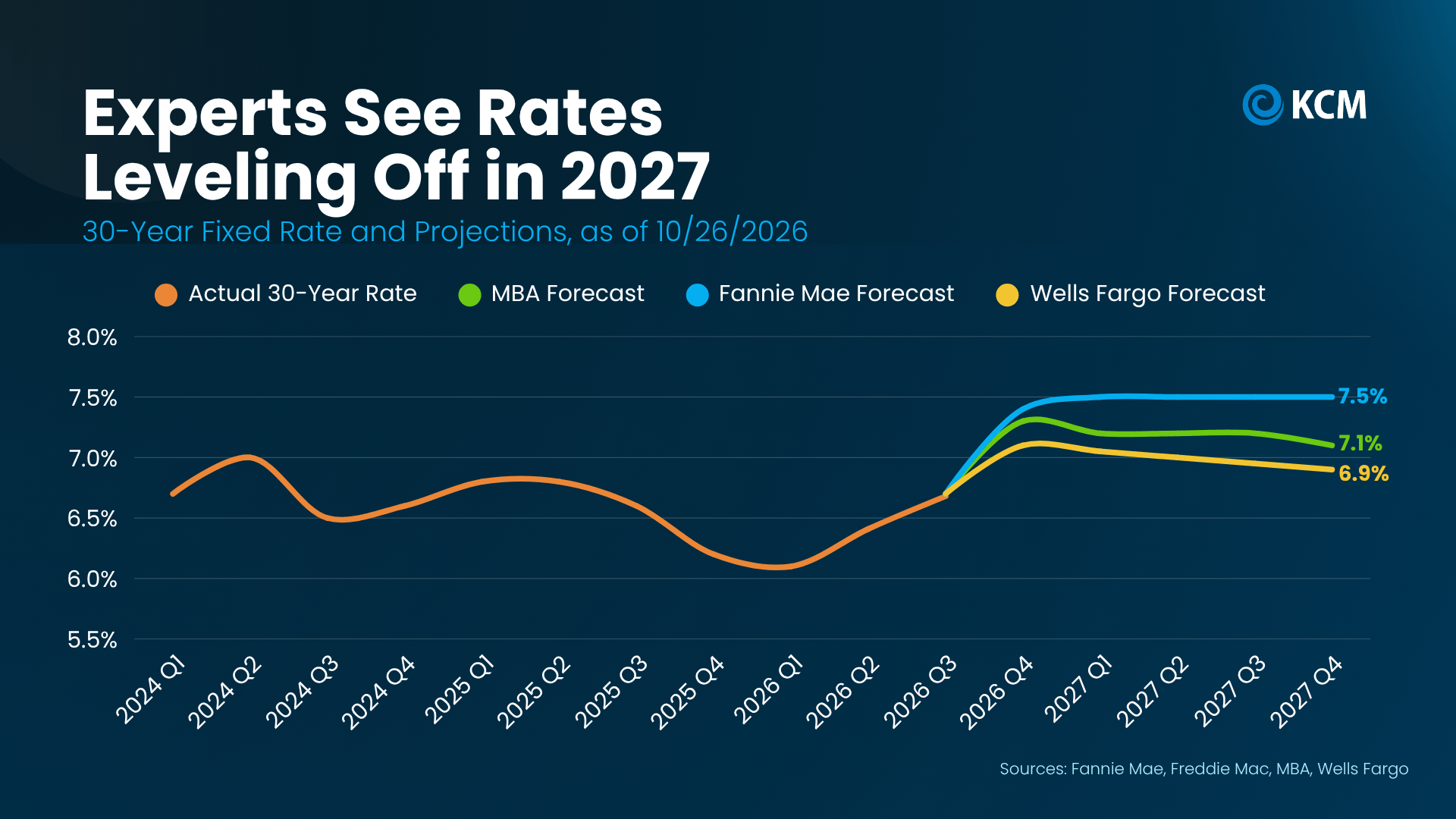
Housing experts expect a relatively steady market through 2027. Mortgage rates could remain near current levels, while home prices are projected to continue rising, just at a slower pace.
That doesn't mean buying or selling will suddenly become easy. But it does mean you can start planning with a clearer picture of what's ahead.
Let's look at what the latest housing forecasts could mean for your next move.
1. Mortgage Rates in 2027: Don't Count on a Dramatic Drop
Let's be honest. Plenty of buyers are sitting on the sidelines, hoping mortgage rates will fall before they purchase.
But what if rates don't drop as much as you expect?
Forecasts from Fannie Mae, the Mortgage Bankers Association (MBA), and Wells Fargo suggest that mortgage rates could remain relatively stable through 2027 rather than experience a major decline.
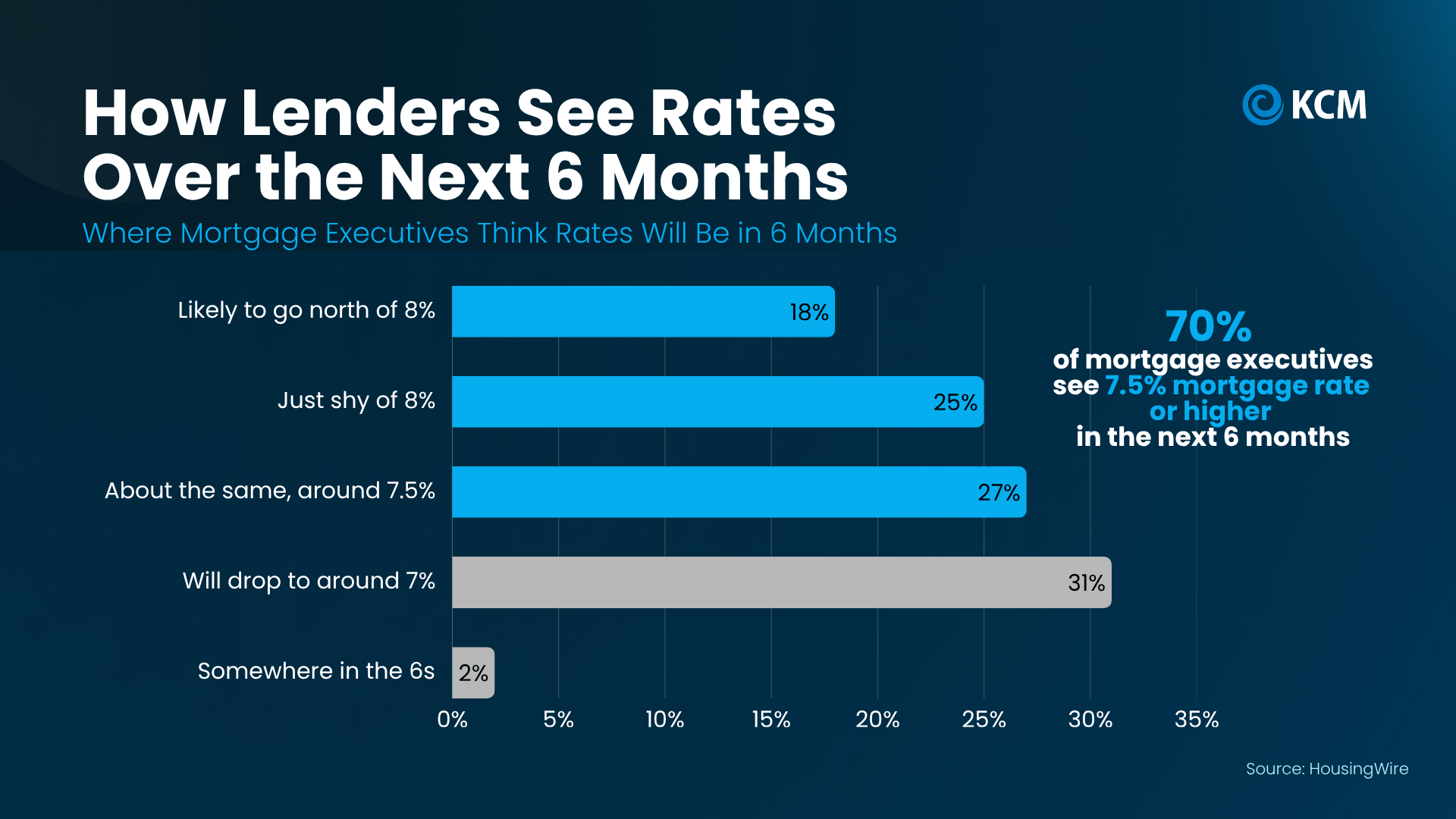
There's another reason buyers shouldn't count on quick relief. A recent HousingWire survey found that 70% of mortgage executives expected rates to be around 7.5% or higher six months ahead.
Why are rates staying elevated?
Economic conditions, inflation, oil prices, and broader financial market trends all influence borrowing costs. As Chen Zhao, Head of Economics Research at Redfin, explains, several underlying economic factors continue to put pressure on mortgage rates.
So, should you wait for lower rates? Not necessarily.
Instead of trying to predict the market, focus on what you can control:
- Improve your credit score. A stronger credit profile may help you qualify for better loan terms.
- Explore different mortgage programs. You might qualify for options with more favorable rates or lower down payment requirements.
- Ask about mortgage points. Paying additional costs upfront may help reduce your interest rate and monthly payment.
- Compare multiple lenders. Don't settle for the first mortgage offer you receive.
The goal isn't to find a perfect rate. It's to find a monthly payment that fits your budget and financial goals.

2. Home Prices in 2027: Slower Growth Doesn't Mean Cheaper Homes
Here's where things get interesting for both buyers and sellers.
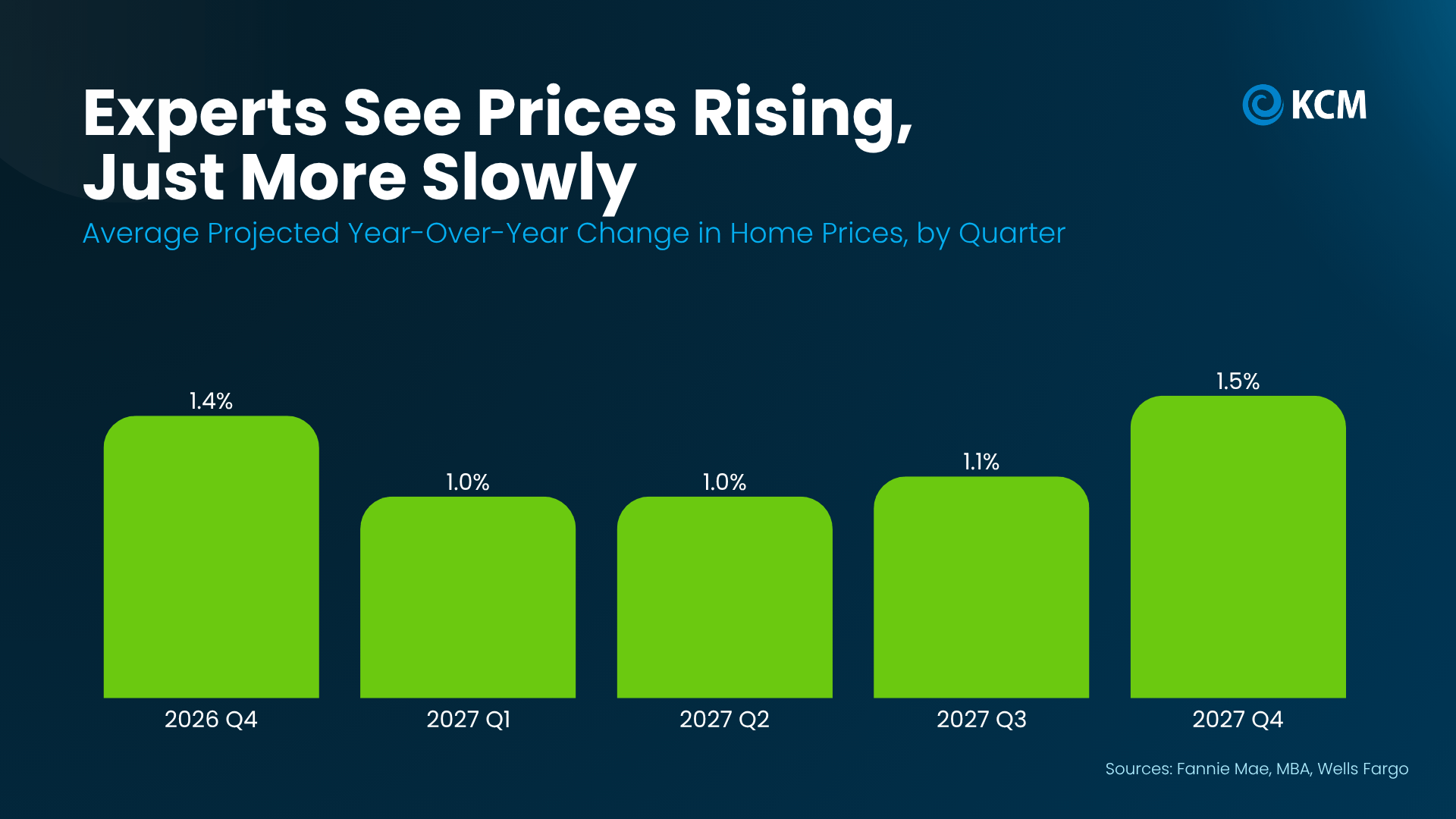
Despite affordability challenges, housing experts aren't forecasting a major nationwide home price decline. Instead, forecasts from Fannie Mae, MBA, and Wells Fargo point to modest annual appreciation of approximately 1% to 1.5% through 2027.
In other words, home prices may continue climbing, but at a much slower pace.
What does that mean if you're selling?
A steady market can help protect your home's value. However, buyers are becoming more careful about what they purchase and how much they're willing to pay.
That makes pricing and marketing more important than ever.
What if you're buying?
Slower price growth could give you more time to compare properties, negotiate, and make a thoughtful decision.
But don't assume waiting automatically means getting a cheaper home. Even modest appreciation can increase the cost of a property over time.
One important reminder: National forecasts don't tell the entire story. Your local market may perform very differently depending on inventory, buyer demand, employment, and neighborhood conditions.
That's why local real estate guidance matters.
3. Why Waiting for the Perfect Market Could Cost You
It's easy to get caught up in headlines about interest rates and home prices.
But here's the thing: The housing market doesn't have to be perfect for you to make a smart move.
Imagine waiting another year for mortgage rates to fall, only to discover that home prices have increased and competition has picked up.
Or imagine delaying your sale because you're hoping to get a higher price, while more competing properties enter your neighborhood.
Timing the market is difficult. Even experienced investors don't always get it right.
Instead, consider your personal situation:
- Has your family outgrown your current home?
- Are you ready to downsize and reduce maintenance costs?
- Do you need to relocate for work or family?
- Are you looking for an investment property?
- Would selling now give you the financial flexibility you've been wanting?
Your next move should make sense for your life, not just for the latest market prediction.
4. How Buyers Can Prepare for the 2027 Housing Market
If buying a home is on your radar, preparation can give you a serious advantage.
Start by getting pre-approved so you understand your purchasing power. Review your savings, monthly expenses, and available down payment.
Then look beyond the most obvious listings.
Some opportunities may come from motivated sellers, properties that need a little work, or homes that have been sitting on the market longer than expected.
A knowledgeable real estate professional can help you identify opportunities, compare asking prices, and negotiate terms that make sense.
Don't just search for a house. Search for the right deal.
5. How Sellers Can Stay Ahead in a More Balanced Market
For homeowners thinking about selling, a steady market doesn't mean you can simply put a sign in the yard and expect multiple offers.
Buyers have options. Your property needs to stand out.
Here are a few ways to prepare:
- Price strategically. Review recent comparable sales and competing listings before setting your asking price.
- Make a strong first impression. Clean, declutter, and handle important repairs before listing.
- Invest in effective marketing. Professional photography, online exposure, and targeted promotion can help attract serious buyers.
- Highlight your home's value. Showcase upgrades, desirable features, and neighborhood advantages.
- Work with an experienced agent. A strong marketing and negotiation strategy can make a meaningful difference in your final result.
Remember, the goal isn't simply to sell your home. It's to position it properly, attract qualified buyers, and protect your equity.
The Bottom Line: Make Your Next Move With a Strategy, Not a Guess
The 2027 housing market may bring something buyers and sellers have been waiting for: more stability and fewer dramatic surprises.
Mortgage rates are expected to remain relatively steady, while home prices may continue increasing at a slower pace.
But here's what matters most: Your best time to buy or sell depends on your goals, finances, and local market conditions.
Don't let predictions make the decision for you. Get the numbers, understand your options, and create a plan that puts you in control.
Call or text us at 855-935-MORE.
Check out this article next