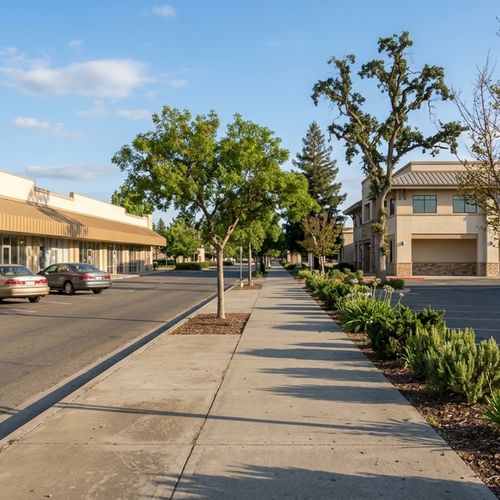


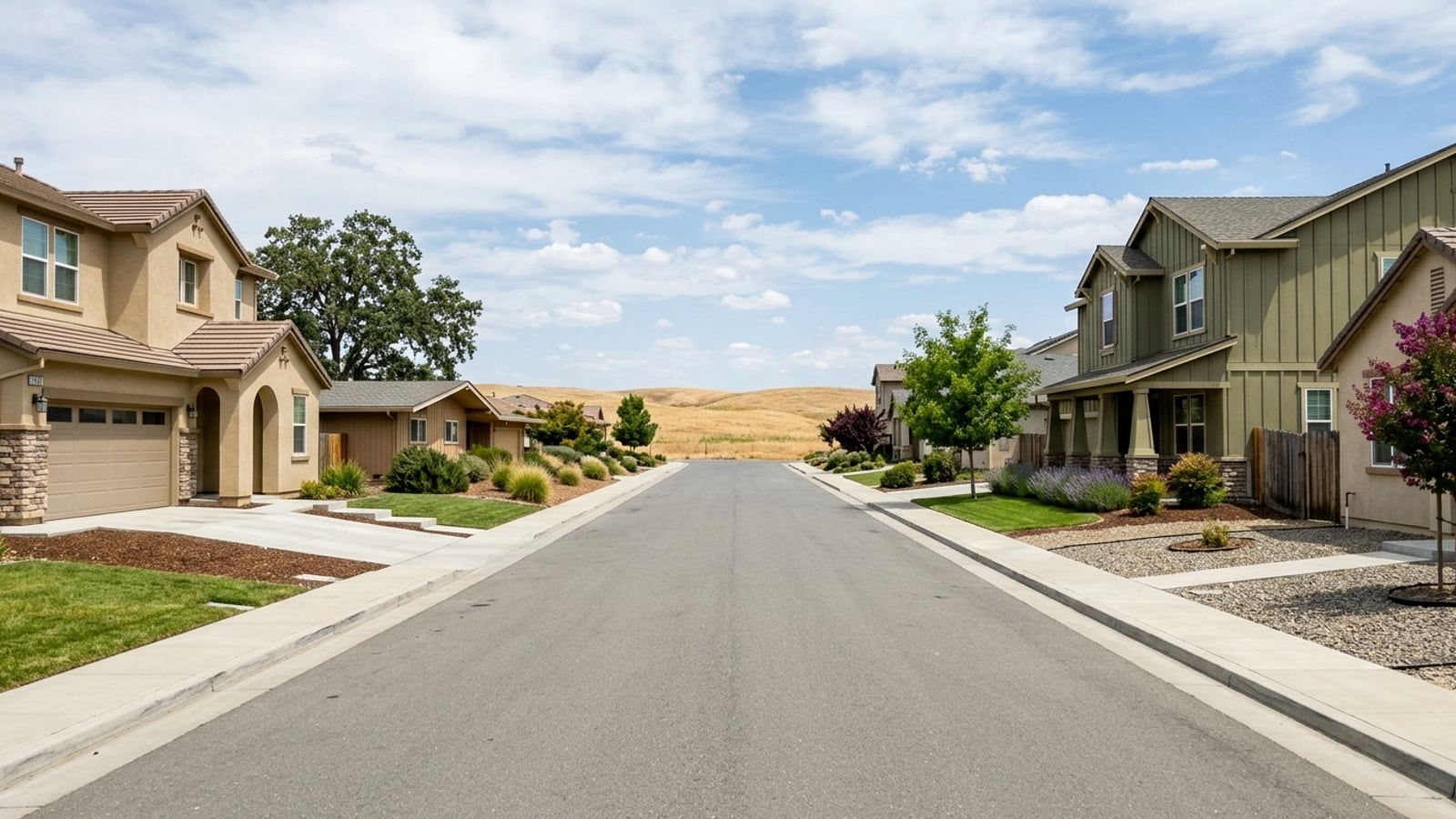
The median single-family home in Lincoln, CA, sold for $624,751 recently, and housing takes up the largest share of a local budget by a wide margin. Buyers looking at this Placer County city tend to fixate on the sticker price and stop there.
Key Takeaway
Lincoln costs less than much of California but isn't cheap: the median home sold for $620,704 in the 90 days ending September 30, 2026, and nearly every sale was a house that went for close to asking. Your real monthly cost depends on the Mello-Roos special taxes, HOA dues, and insurance attached to the specific house, so compare those first. If you want the fewest layered charges, start by checking older and no-HOA areas like Brookview and Old Town. If you'd rather pay for amenities, the newer master-planned communities bundle them into dues and special taxes.
Who This Guide Is For
You're considering a move to Lincoln or a specific Lincoln house and need to work out what owning there will cost each month beyond the purchase price.
Is Lincoln, CA Expensive to Live In?
The market doesn't give buyers much room to maneuver. Nearly all recent sales were single-family houses, and they sold close to list price. There's virtually no condo tier to trade down to, and negotiating a meaningful discount is unlikely.
What you can control is the stack of special taxes, HOA dues, and insurance attached to each house. Comparing those line items across neighborhoods will do more for your monthly budget than hunting for a lower price. The pros and cons of living in Lincoln can help frame these housing expenses.
Lincoln Cost of Living at a Glance
These figures describe purchase prices. The sections below cover what each house adds monthly.
- Median sale price, all homes: $620,704 (90 days ending 2026-09-30)
- Median sale price, single-family: $624,751 (90 days ending 2026-09-30)
- Year-over-year change in median sale price: +3.5% all homes, +4.1% single-family (90 days ending 2026-09-30)
- Homes sold: 279 all homes, of which 272 were single-family (90 days ending 2026-09-30)
- Median days on market: 37 all homes, 36 single-family (90 days ending 2026-09-30)
- Sale-to-list ratio: 99.2% for both all homes and single-family (90 days ending 2026-09-30)
- Share sold above list price: 19.6% all homes, 20.1% single-family (90 days ending 2026-09-30)
- Months of supply: 2.9 for both all homes and single-family (90 days ending 2026-09-30)
- Inventory: 266 all homes, 261 single-family (90 days ending 2026-09-30)
- Median price per square foot: $338 all homes, $341 single-family (90 days ending 2026-09-30)
Monthly Costs That Come with the House
The price you'll pay is fairly fixed, but the charges attached to the house vary a lot. Two houses listed at the same price can differ by hundreds of dollars a month. The gap comes from the tax obligations, community association dues, and insurance premiums tied to when and where each house was built.
Home Prices and Room to Negotiate
With prices rising year over year and less than three months of supply, expect to pay close to list. Waiting is unlikely to lower the entry cost. Budget separately for buyer closing costs, the upfront cash you'll need to close.
Mello-Roos and Other Special Taxes
The City of Lincoln has multiple active Mello-Roos Community Facilities Districts, each with its own special tax rate set under a Rate and Method of Apportionment. CFD No. 2005-1 (Sorrento Project), for example, had a Special Tax Liability of $1,010,285 for fiscal year 2024-25, levied annually on each parcel. CFD No. 2019-1 (Independence at Lincoln) levies an Assigned Special Tax that is authorized to increase automatically each year.
Under California law, a subdivider or agent can't let you sign a purchase contract or deposit receipt on a parcel subject to a Mello-Roos tax until you've received and signed a statutory Notice of Special Tax. That notice discloses the maximum special tax that may be levied for the year, which makes it your first stop. Ask the seller or title company for it alongside the property's most recent tax bill. Together they show any Mello-Roos line items, the annual escalator, and when the tax ends.
The special tax appears on your property tax bill on top of the base rate. Special taxes can run for decades and may rise each year. Read the district's rate and maturity terms before assuming the tax will disappear soon, and ask your lender how it counts toward qualifying.
HOA Dues
HOA dues are a second fixed monthly line that stacks with any special tax. Ask the HOA for current dues, the latest reserve study, and any planned special assessments. The association's board sets dues and can raise them or add one-time assessments, so today's figure is a floor.
Homeowners Insurance
Securing property coverage has become unpredictable in Placer County. The California FAIR Plan, the state's insurer of last resort for property and fire coverage, is available to Placer County owners who can't obtain coverage in the standard admitted market. As of March 31, 2026, Placer County had 19,078 active FAIR Plan policies, up 20.9% year-over-year. Statewide, the California Insurance Commissioner approved a 29.1 percent average FAIR Plan rate increase effective October 15, 2026.
Get a homeowners insurance quote on the exact address during your inspection period, before you remove contingencies. If a standard carrier won't write the policy, a FAIR Plan policy plus a separate wraparound policy can cost more than you've budgeted.
Stacking the Charges on a Median-Priced House
Start with the single-family median above. Placer County applies the constitutionally capped 1% general ad valorem tax rate to every parcel, which on that median comes to about $6,248 a year, or roughly $520 a month.
To that, add the following:
- The voter-approved debt-service rate for the parcel's Tax Rate Area.
- Any CFD special tax from the district filings.
- The neighborhood's HOA dues.
- A placeholder for your insurance quote.
- Monthly utilities.
For principal and interest, check current mortgage rates and ask your lender for a written loan estimate. Your number is only as good as the tax bill, Notice of Special Tax, HOA statement, and insurance quote for that specific address. Confirm each one with the county, the HOA, your insurer, and your lender before you commit.
Everyday Costs in Lincoln
These recurring costs come with the city rather than the specific house. They matter most if you're comparing Lincoln with neighboring towns.
Electricity and Gas
Lincoln, CA, is served by Pacific Gas & Electric (PG&E), not a municipal utility. Per PG&E's rate advisory, bundled residential electric rates decreased about 5% effective January 1, 2026, with the average residential bundled non-CARE rate falling to 41.46 cents per kilowatt-hour.
Lincoln and Roseville sit side by side but are served by different electric utilities, which can noticeably change a summer power bill. Summer air-conditioning load is real here, so request 12 months of electric, gas, and city utility bills from the seller, especially the summer months. If the house has solar, find out whether it's owned or leased and get the lease terms in writing. PG&E rates are set through regulators and change over time, so a seller's past bills may not match what you'll pay.
Water, Sewer and Trash
The City of Lincoln adjusts water, wastewater, and solid waste rates annually under a multi-year Proposition 218 rate structure. These charges arrive as a city bill separate from the property tax bill. One solid waste can costs $38.58 per month, and an additional can costs $17.12 per month. The City applied scheduled increases effective July 1, 2026: 3% for water, 3% for wastewater, and 5% for solid waste.
Water charges climb with landscaping. A large irrigated lot can push the bill well past the base rate, so ask the seller for summer statements.
Commuting and Getting Around
Most Lincoln households drive Highway 65 toward Roseville and Sacramento. Lincoln has no rail link, so a daily commute out of town is a fixed cost in fuel and time. A lower home price can be canceled out by a long commute, so drive Highway 65 at peak hours before committing to a house.
Newer Master-Planned Neighborhoods and Their Added Charges
Lincoln's large master-planned communities, built over the last two decades, fund infrastructure and shared facilities through a combination of special taxes and association dues. The structure of those charges differs by district, so check it before you choose a floor plan.
Sun City Lincoln Hills
One monthly assessment covers access to the community's amenity facilities, including common areas, and the community operates under age-restriction rules. Read the CC&Rs for occupancy and rental rules. Ask the association for the current assessment amount, which it sets and can raise. The age restriction narrows who can buy or live in the home, which can lengthen a resale.
Twelve Bridges
Twelve Bridges isn't covered by a traditional Mello-Roos CFD bond. It's subject instead to a 1995 municipal Assessment District (No. 95-1). Separately, Twelve Bridges is designated Tax Zone 5 within City of Lincoln CFD No. 2018-1, a citywide special tax that funds city maintenance services.
HOA dues aren't published for the development as a whole and can differ by sub-neighborhood, so one listing's numbers don't transfer to the next street. Check each address's tax bill and HOA statement separately.
Lincoln Crossings
Lincoln Crossing is located within City of Lincoln Community Facilities District No. 2003-1. Per the City's FY 2024/25 Annual Report, the CFD levied a Total Special Tax Levy of $6,671,075.66 across 2,753 taxed parcels, and the maximum special tax is authorized to increase annually by a 2% inflator. The neighborhood is also Tax Zone 7 under separate CFD No. 2018-1.
Newer construction in these districts can mean lower early repair costs. The catch is that the special tax paying for that infrastructure can outlast the new-house years by decades.
Older and No-HOA Neighborhoods
Lincoln's established neighborhoods were typically built before special tax districts came into wide use. Skipping association dues and CFD layers shifts your monthly budget toward maintaining the property yourself.
Brookview
Brookview homes don't carry HOA dues, which removes one monthly line entirely. Even without an association, check the tax bill for any special district coverage. No HOA also means no shared pools or clubhouse and no association enforcing upkeep on neighboring lots.
Old Town Downtown
The area offers walkable access to downtown shops and an older housing stock. Check the parcel's tax bill to confirm the property falls outside the newer CFDs, and verify the home's exact age through county records.
Older homes can reduce special taxes but often need roof, plumbing, or electrical work, and their age can push insurance quotes higher. Budget for an inspection-driven repair reserve.
How to Narrow Your Lincoln Budget
Four decisions sort most of the choices:
- Amenities or lowest charges: If you want golf, pools, and clubhouses paid through your monthly charges, look at the newer master-planned neighborhoods. If you want the lowest fixed charges, look at the older and no-HOA neighborhoods.
- Mello-Roos status: Before you offer on any house, use the Notice of Special Tax and the tax bill to confirm whether it sits in a Mello-Roos district and when that tax ends.
- Age restriction: If an age-restricted community fits your plans despite its occupancy rules and narrower resale pool, read the Sun City Lincoln Hills profile. Otherwise focus on Twelve Bridges, Lincoln Crossings, and the older neighborhoods.
- Commute: Price your Highway 65 drives to Roseville or Sacramento into the monthly budget.
From there, pick by need:
- No HOA dues: Start with Brookview.
- Amenities under one assessment, age-restricted: For pools, golf, and clubhouse access through a single monthly assessment in an age-restricted community, start with Sun City Lincoln Hills.
- Newer construction: If you want lower early repair costs and can carry a special tax, start with Lincoln Crossings.
- Older home near downtown: For an older home near downtown shops with fewer layered charges to verify, start with Old Town Downtown.
For schools in Lincoln, verify school assignment with the district's official lookup rather than any listing claim.
Lincoln, CA Cost of Living FAQs
What Is the Average Monthly Cost of Living in Lincoln, CA?
There's no official per-household average for Lincoln. The MIT Living Wage Calculator for Placer County gives a benchmark you can size to your household, and the median-house example above shows how the housing charges stack.
How Much Is the Sales Tax in Lincoln, California?
Per the California Department of Tax and Fee Administration, the combined sales and use tax rate for the City of Lincoln is 7.250% for January 1 through March 31, 2026. Neither the city nor Placer County adds a separate district tax.
How Much Is Property Tax in Lincoln, CA?
Property taxes in Lincoln combine the capped base rate, the voter-approved debt-service rate for the parcel's Tax Rate Area, and any Mello-Roos special tax, so the total varies by parcel.
How Much Is Property Tax on a $400,000 House in Lincoln, CA?
The base rate on a $400,000 assessed value is $4,000 a year before the voter-approved rate and any special taxes. The assessed value typically resets to the purchase price at sale, so check the parcel's tax bill for the full total.
Do Seniors over 65 Pay Property Taxes in Lincoln, CA?
Yes; age alone doesn't exempt anyone. Under Proposition 19, homeowners 55 and older can transfer the base year value of their principal residence to a replacement primary residence up to three times. Separately, the State Controller's Property Tax Postponement program lets eligible seniors with at least 40% equity defer current-year taxes if their 2026-27 household income is $57,002 or less.
Is It Cheaper to Live in Lincoln or Roseville, CA?
In a Lincoln vs Roseville comparison, the clearest difference is the electric utility: Lincoln is served by PG&E, while Roseville runs its own municipal electric utility. For a real answer, compare the tax bills and HOA statements of the specific houses you're weighing in each city.
Sources
- Redfin: Data Center
- City of Lincoln: CFD No. 2005-1 Admin Report
- California Legislative Information: Government Code Section 53341.5
- CDTFA: Sales and Use Tax Rates
- PG&E: Electric Rate Advisory
- City of Lincoln: Garbage, Recycling and Yard Waste
- City of Lincoln: CFD 2018-1 Annual Report
- City of Lincoln: CFD 2003-1 Annual Report
- Wikipedia: California FAIR Plan
- California Legislative Information: Government Code Section 29100
- BOE: Proposition 19
- Gladding, McBean: Our History
Check out this article next