

Lincoln, CA has transformed significantly over the past decade, but its historic core remains the defining heartbeat of the city. Buyers looking at Placer County often find themselves drawn to the tree-lined streets and established architecture of this central district.
Navigating the local market requires an understanding of both vintage property dynamics and modern civic developments. This guide explores the housing trends, amenities, and daily commute realities that define life in the historic center today.
Real Estate Trends in Historic Downtown Lincoln
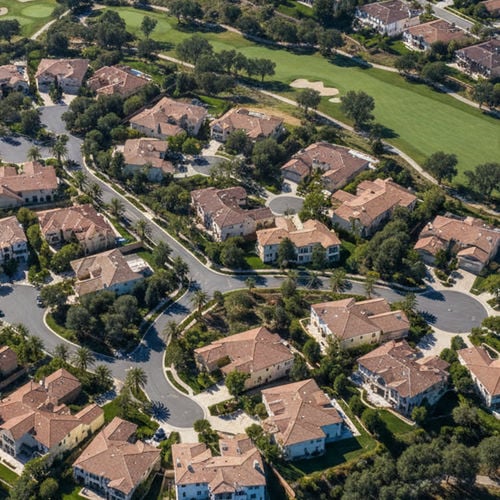
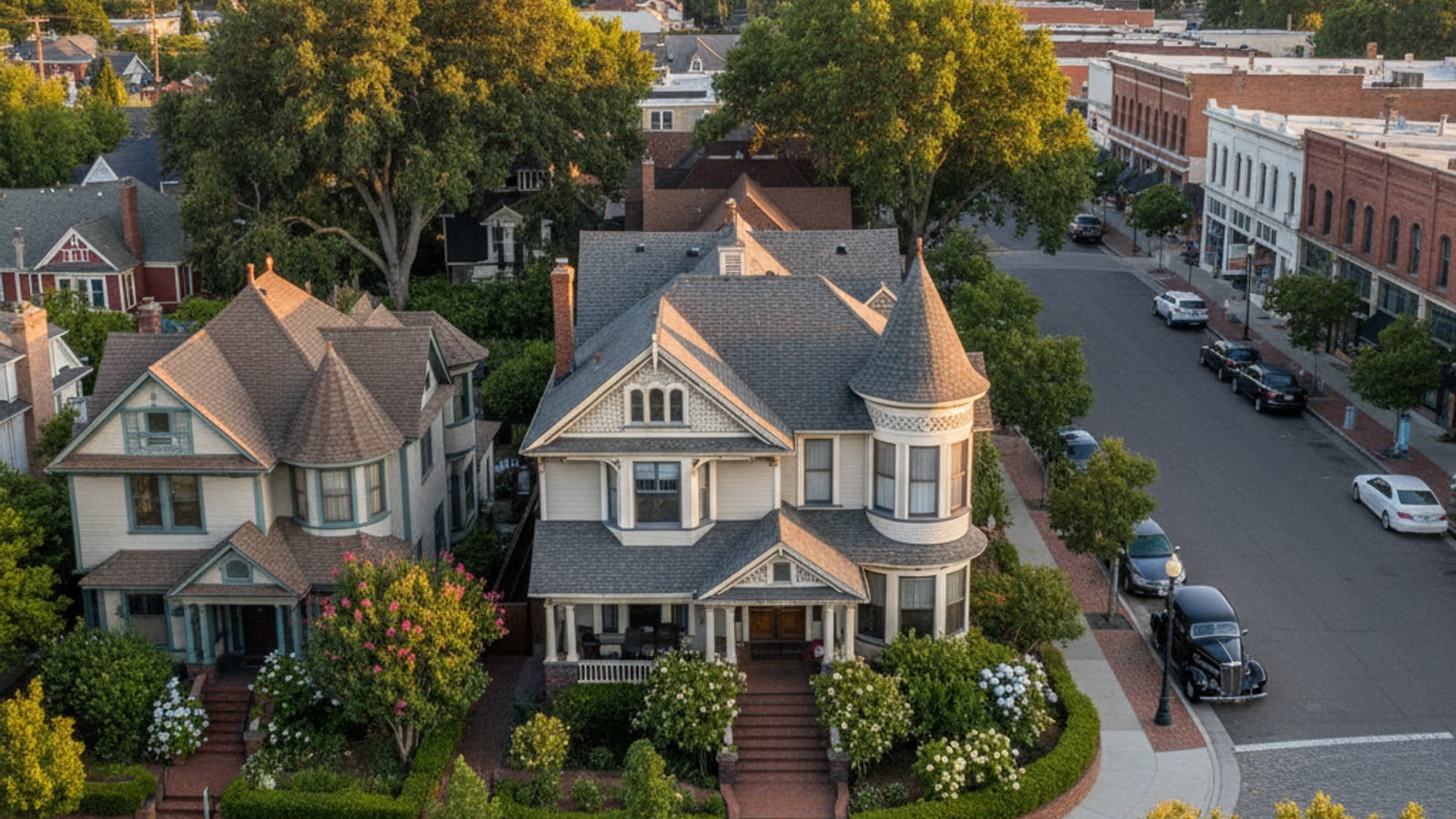
The residential landscape in the historic sector offers a distinct alternative to the sprawling new construction developments on the city edges. Buyers exploring this neighborhood will find a rich architectural history characterized by early 20th-century bungalows, Victorian-inspired builds, and mid-century ranch homes.
Purchasing property in the historic core presents a unique value proposition for real estate investors and owner-occupants alike. The established streetscapes provide a sense of permanence, while the lack of Mello-Roos taxes or high HOA fees often offsets the costs associated with updating an older home.
Property Types, Lot Sizes, and 2026 Home Prices
Vintage property types in the downtown sector typically feature deeper setbacks and mature landscaping that newer subdivisions rarely match. These established parcels often provide larger backyard footprints, giving buyers more flexibility for outdoor living or potential accessory dwelling units.
As of early 2026, the median listing price for homes in the area sits at approximately $648,000. This pricing represents strong purchasing power within Placer County, allowing buyers to secure detached homes within walking distance of commercial amenities while benefiting from the area's steady residential growth.
Local Amenities and Downtown Dining Options
The commercial center along Lincoln Boulevard serves as the primary retail and dining corridor for the surrounding residential blocks. Walkability is a major draw here, with wide sidewalks connecting historic storefronts to modern conveniences.
The ongoing downtown master plan has actively revitalized this stretch, directly impacting local property values in a positive way. As civic planning continues to prioritize pedestrian access and business growth, homes within a half-mile radius of the boulevard command increasing attention from buyers.
Proximity to Beermann Plaza and Boutique Shopping
Living in the historic district means having immediate access to a thriving local business scene anchored by community gathering spaces. The retail and dining landscape offers a mix of established staples and exciting new additions.
Historic Beermann Plaza acts as the central event center, hosting local gatherings and providing a scenic focal point for the downtown district.
Dining options range from long-standing favorites like Old Town Pizza to the highly anticipated 2026 opening of Rockstar Pizza right at the plaza.
Boutique shopping and independent cafes line Lincoln Boulevard, offering residents a localized retail experience without needing to drive to neighboring cities.
Western Placer Unified School District Profile
The Western Placer Unified School District manages the educational facilities serving the city of Lincoln and its surrounding rural areas. The district operates multiple elementary, middle, and high school campuses to accommodate the region's steady population growth.
Proximity to these established campuses plays a major role in residential real estate decisions for buyers evaluating the historic center. Homes located within a short distance of neighborhood schools often maintain strong resale value and experience consistent market demand.
Schools Serving the Old Town Neighborhood
Several elementary schools are situated near the historic downtown area, including First Street Elementary, Carlin C. Coppin Elementary, and Creekside Oaks Elementary. These campuses are geographically distributed to provide accessible educational options for residents in the central blocks.
For secondary education, the area is primarily served by Glen Edwards Middle School and Lincoln High School. The close proximity of these facilities allows many students in the Old Town neighborhood to utilize local pedestrian routes or short vehicle commutes for daily attendance.
Commute Times and Transportation Corridors
Lincoln occupies a strategic position in Placer County, offering a quieter residential environment while maintaining access to major regional employment hubs. The primary transit route connecting the city to the broader metropolitan area is the Highway 65 corridor.
Managing commute expectations is a crucial part of buying a home in this area, especially for those working further south. While the highway access is direct, understanding the daily traffic patterns is essential for accurately evaluating your potential daily drive.
Navigating Highway 65 to Roseville and Sacramento
The distance from downtown Lincoln to Roseville is roughly 10 to 15 miles, translating to a straightforward 15 to 20-minute drive during off-peak hours. Commuting to downtown Sacramento averages 25 to 30 minutes when traffic is light, providing reasonable access to the state capital.
Rush hour travel significantly alters these timelines, with peak Sacramento commutes frequently extending to 45 minutes or more. Drivers should specifically plan for known traffic bottlenecks at the Highway 65 and Interstate 80 interchange during standard morning and evening travel windows.
Recreational Facilities and Community Parks
Green spaces are a fundamental component of the urban planning strategy in the city of Lincoln. The municipality maintains several distinct parks that provide residents with accessible outdoor recreation right within the city limits.
Easy access to municipal parks dramatically enhances the downtown living experience, offering an immediate escape from the built environment. Properties located adjacent to or within walking distance of these recreational hubs consistently attract strong interest on the real estate market.
McBean Park Amenities and Events
The largest and most prominent recreational space near the historic downtown core is McBean Park. This expansive facility integrates heavily into the daily life of nearby residents and serves as a primary venue for civic events.
The park features comprehensive athletic facilities, including a well-maintained baseball stadium and a public swimming pool.
Extensive outdoor picnic spaces and shaded groves provide ample room for weekend gatherings and casual recreation.
The grounds serve as the traditional host location for local events, community celebrations, and annual holiday parades.
Frequently Asked Questions
Is Lincoln, CA considered an affluent area?
Lincoln features a mix of economic demographics, with recent data showing an approximate median household income hovering around $105,000. While the newer luxury developments on the city outskirts push regional wealth metrics higher, the historic downtown offers a more varied economic landscape. This balance provides entry points for diverse real estate buyers looking to invest in Placer County.
What is the average age of residents in Lincoln, CA?
The median age in Lincoln is approximately 45 years old, reflecting a blend of established residents and new arrivals. The presence of large 55+ communities on the city's periphery skews the overall municipal average slightly higher. However, the historic downtown area maintains a broad mix of age groups occupying its vintage properties.
What are the main attractions for adults in downtown Lincoln, CA?
Adults frequenting the downtown sector primarily enjoy the localized dining and boutique retail options along Lincoln Boulevard. Historic Beermann Plaza serves as an anchor for evening entertainment, surrounded by establishments like Old Town Pizza and local cafes. The walkability of the district makes it easy to transition from shopping to dining in a single trip.
Check out this article next