

Roseville began as a small railroad stop in 1864 and grew into one of the largest cities in Placer County. Today, buyers looking at homes here are looking at a map drawn by that history.
The oldest properties sit near the original tracks. Everything else is newer development built during a massive population boom. A neighborhood's build year gives you a preview of the home's features, likely repairs, and monthly costs before you ever step inside.
Key Takeaway
Roseville began in 1864 as a Central Pacific Railroad stop called Junction, boomed when Southern Pacific moved its rail yard here, became a city in 1909, and grew into a planned suburb after the 1980s. If you want a home with that history around it, start with the older streets near Historic Downtown and Old Town. If you want newer construction and community amenities, the post-1990 planned communities are the alternative, and they make up most of what is for sale.
Who This Guide Is For
You're curious how Roseville came to be and are weighing whether to buy near its older historic core or in one of the newer planned communities.
How Roseville's History Shows Up in Its Homes
In the 90 days ending September 30, 2026, 497 of the 519 homes sold in Roseville were single-family houses. Property type doesn't narrow your search much here, so the era of the neighborhood becomes your real first filter.
The Central Pacific Railroad was absorbed by the Southern Pacific Railroad Company in 1887. Southern Pacific then announced it would move its extensive railroad facilities from Rocklin to Roseville, a move that transformed the small village and made the railroad the dominant employer. That 1906 to 1909 rail-yard boom left a compact older core around Historic Downtown and Old Town. Growth from the 1980s onward brought tech employers and regional retail, building the planned communities that now dominate the market. A neighborhood's era tells you more about a home's age, add-on costs, and rules than the city median price does.
Roseville History Timeline
In 1864, a Central Pacific Railroad track-laying crew built eastward from Sacramento as part of the transcontinental railroad. By April 26 of that year, trains were running daily to a crossing point where travelers could transfer to the California Central Railroad.
That crossing site eventually became the city you're looking at today. Over the next century, Roseville transitioned from a loud railroad hub into a major regional center, shaped by a few distinct eras of growth.
1864: Junction on the Central Pacific Line
Roseville's first name was simply "Junction," marking the meeting of the two rail lines. The Central Pacific Railroad reached the spot where it met the California and Oregon Railroad, establishing the foundation for the town.
Those rail lines still cut through it today. If you're considering a home near the tracks, visit at several times of day and night and hear the trains for yourself before you commit.
1906 to 1909: The Rail Yard Moves and Roseville Incorporates
In April 1908, the Southern Pacific Railroad Company officially moved its terminal, roundhouse, and shops from nearby Rocklin to Roseville. An organized drive for incorporation began shortly after, and Roseville officially incorporated on April 10, 1909, as a Charter City.
Homes from this rail-boom era are now more than a century old. Federal rules require a lead-based paint disclosure for homes built before 1978, and older wiring, plumbing, and foundations deserve a thorough inspection. That's not a formality.
1973: The Rail Yard Explosion
In April 1973, explosions broke out in the Antelope section of the Roseville railyards when twenty-one boxcars loaded with munitions bound for Vietnam caught fire. The boxcars burned and exploded for hours, throwing shrapnel over the surrounding area and causing massive damage to tracks and railcars, though no lives were lost.
History like this won't show up on a standard listing. If you want to know about a specific parcel's environmental record, search the state's DTSC EnviroStor database and ask the seller about the disclosures.
1980s to Today: Tech Employers, Sun City, and West Roseville
Roseville went from a rail town to one of the region's largest cities in a few decades. The 500-acre Hewlett-Packard site was established in 1979, the NEC building dates from 1992, and the Galleria at Roseville opened in August 2000. The population climbed to 147,773 at the April 1, 2020 census, up from 118,788 just ten years earlier.
This era also brought the Del Webb Sun City Roseville active-adult community and massive planned growth spreading west. Many communities built during these years carry Mello-Roos special taxes and HOA dues on top of the mortgage. Check the property tax bill and HOA documents before you make an offer.
Where to See Roseville's History Today
You can still see the physical marks of the railroad and early civic leaders throughout the center of town. The older grid of streets around the historic core looks nothing like the wide avenues of the newer subdivisions, and that contrast alone tells you a lot about how the area developed.
These spots give you a sense of the city's roots before you decide where to live. If you're trying to get oriented, there's no better starting point.
Historic Downtown and Old Town Roseville
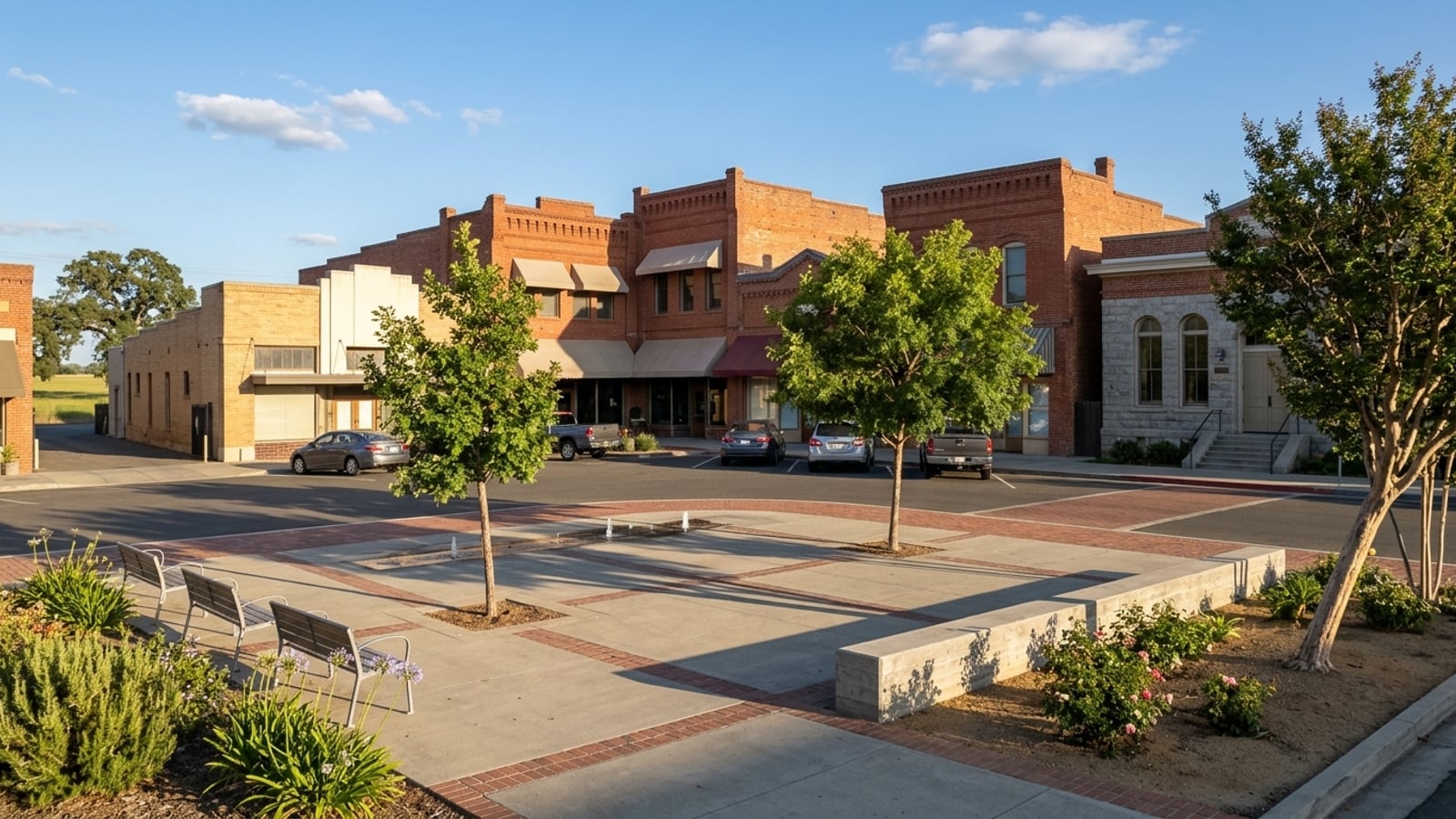
The original rail-town core includes Vernon Street and the area immediately near the tracks. The city publishes a free self-guided historic walking tour covering Historic Old Town and Vernon Street, noting that more than 100 structures were built in the years following the 1909 incorporation.
By the time Roseville turned 100 years old in 1964, it had been named an "All-America City." If you're buying here to renovate, historic-area design rules may limit exterior changes. Check with the City of Roseville planning department before you budget a remodel.
Carnegie Library and the Roseville Historical Society
The Roseville Historical Society has been the official keeper of the city's history since 1983. They operate the Carnegie Museum, which sits in an old library building located at 557 Lincoln Street.
Volunteer-run museums keep limited hours. Standard hours are Tuesday through Friday, 12 p.m. to 4 p.m., but confirm the current schedule before you go.
The Union Pacific Rail Yard
The rail yard that founded the town still runs today as a massive industrial hub. Union Pacific's J.R. Davis Yard remains a visible part of the regional economy and a daily presence for nearby neighborhoods.
It's a working industrial site, not a museum. View it from public areas only, and expect freight activity around the clock.
What a Neighborhood's Era Means for Buyers
That single city median price hides the real differences between a century-old bungalow and a modern subdivision house, so don't let it do too much work for you.
Made 4 More Realty can pull year-built and tax details for homes you're considering, helping you weigh the trade-offs. The choice usually comes down to an older home with character and walkability versus newer construction with shared amenities and add-on costs. The pros and cons of living in Roseville can provide more context for this decision.
Homes Near the Historic Core
Streets around Historic Downtown and Old Town hold the city's oldest housing stock. These homes appeal to buyers looking for architectural character and a short walk to downtown shops and restaurants. If you plan to update a property, the guide on how to increase your home's value can help you prioritize renovations.
Age brings repairs. Plan for a full inspection, the pre-1978 lead-based paint disclosure where it applies, and possible design limits. Read up on seller disclosures to understand what owners must tell you about the property's condition.
Planned Communities Built Since the 1990s
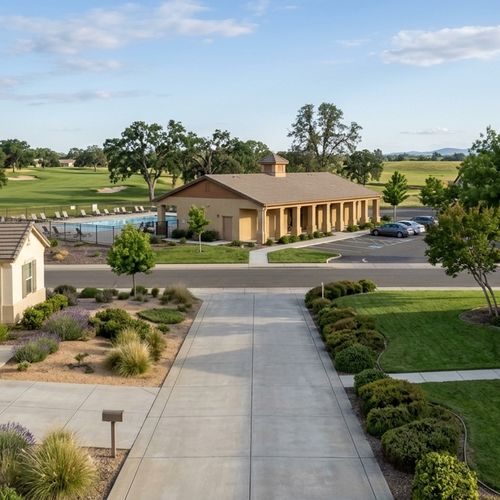
Most of today's single-family sales come from the planned growth era. Neighborhoods like Stoneridge and Highland Reserve offer modern layouts and community amenities, representing the bulk of the current market. Check the year built on each listing, because these planned communities span several decades of development.
Newer often means Mello-Roos special taxes and HOA dues. Ask for the current HOA dues and the special tax amount on the latest property tax bill, and read up on HOA fees and buying costs to see how these add up.
Roseville Housing Market at a Glance
Homes in Roseville sell near asking, with an average sale-to-list ratio of 99.3 percent. There's little room to negotiate on well-priced single-family homes in this market.
The condo figures below rest on just 15 sales and shouldn't drive your overall decision. Review the current housing market and types of homes available to see how these numbers translate to your search.
- Median sale price, all homes: $629,700, down 0.8% year over year (90 days ending 2026-09-30)
- Median sale price, single-family: $634,747, down 0.8% year over year (90 days ending 2026-09-30)
- Median sale price, condos: $334,966, down 13.2% year over year (90 days ending 2026-09-30). This is based on only 15 condo sales, so treat the drop with caution.
- Homes sold: 519 total, of which 497 were single-family (90 days ending 2026-09-30)
- Median days on market: 28 for all homes and single-family, 23 for condos (based on 15 sales) (90 days ending 2026-09-30)
- Sale-to-list ratio: 99.3% for all homes, with 27.6% of all homes selling above list (90 days ending 2026-09-30)
- Months of supply: 2.3 for all homes, with 383 homes in inventory (90 days ending 2026-09-30)
- Median price per square foot: $331 for all homes (90 days ending 2026-09-30)
How to Choose Where to Look in Roseville
Do you want to walk to a historic downtown, or do you want newer systems and shared community amenities? If you prefer the former, focus on homes near the historic core. If the latter, look at the planned communities built since the 1990s.
Are you ready for the repairs and rules that come with an older home, including aging systems, a lead-based paint disclosure if built before 1978, and possible design review in the historic district? And can your monthly budget carry a special tax (Mello-Roos) and HOA dues on top of the mortgage?
If you're specifically shopping for a 55+ age-restricted community, that points you toward developments like Sun City. As you narrow your choices, compare safety and crime data, the local cost of living, getting around and commute times, and the regional weather. We can help you track down the specific tax and HOA details for any house that catches your eye.
Roseville, CA History FAQs
How Did Roseville, CA Get Its Name?
According to the Roseville Historical Society, there is no specific documented reason for the name. The area was first called "Junction" because it was where the California Central Railroad and Central Pacific Railroad crossed. The origin of "Roseville" remains debated, with theories including it being named for Rose Mayberry, for a girl named Rose at a community picnic, or for nearby wild roses and Rose Springs.
Is Roseville Its Own City?
Yes, Roseville is an incorporated city with its own government, not part of Sacramento. It officially incorporated in 1909 and runs its own municipal electric utility, Roseville Electric, which has served the community since 1912.
What County Is Roseville, CA In?
Roseville is in Placer County. The county seat is Auburn, and Roseville borders Sacramento County to the south.
Is Roseville Past Sacramento?
Yes, Roseville sits northeast of downtown Sacramento along Interstate 80. You can check local commute times for daily drive expectations rather than relying on mileage alone.
Is Roseville, CA in a Flood Zone?
Roseville has a documented history of flooding along Dry, Cirby, and Linda creeks, with major events in 1986 and 1995. Since then, the city has implemented an ALERT flood warning system, completed roughly $33 million in mitigation projects, and prohibited new construction in the 100-year floodplain. Look up any specific address on FEMA's flood map and ask the seller about the property's flood history.
Is Roseville, CA Expensive to Live In?
The median sale price for all homes in Roseville was $629,700 over the 90 days ending September 30, 2026, down 0.8 percent year over year. Compare this to the overall cost of living to understand the full budget picture.
Sources
- Redfin: Data Center
- City of Roseville: History of Roseville
- City of Roseville Police Department: History
- City of Roseville: 2035 General Plan Draft
- City of Roseville: Demographics
- Roseville Historical Society: Railyard Explosions
- Wikipedia: Westfield Galleria at Roseville
- U.S. Census Bureau: QuickFacts
- City of Roseville: Historic Roseville Walking Tour
- Roseville Historical Society: Home
- ABC10: Why is it called Roseville?
- City of Roseville: Electric Utility
- City of Roseville: High Water Mark
Check out this article next