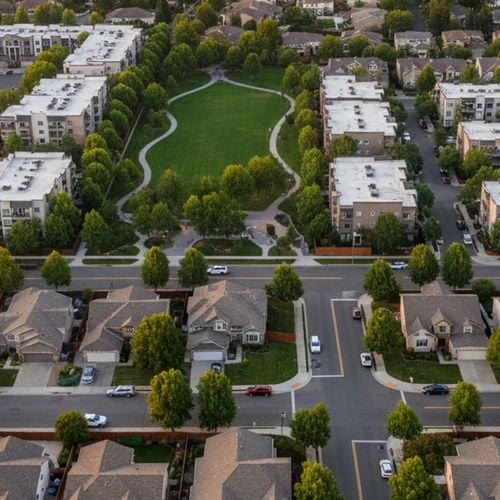


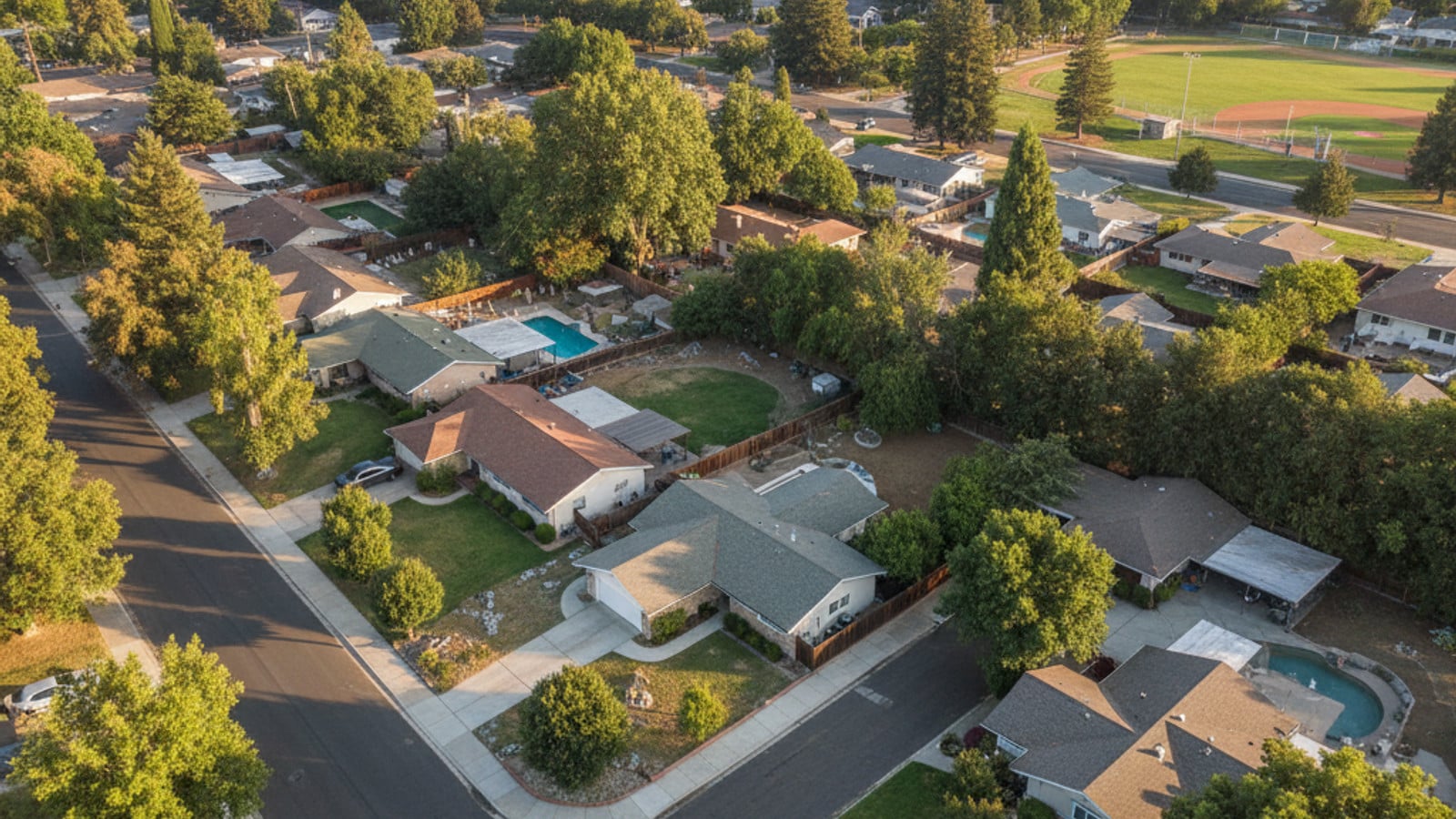
Citrus Heights sits directly between Sacramento and Roseville, offering a central location for northern California buyers. The city incorporated in 1997 and has maintained a steady inventory of mid-century single-family homes and newer townhouses. Residents have immediate access to municipal parks, regional transit lines, and major retail corridors.
The median home price in Citrus Heights, CA hovers between $450,000 and $480,000 as of mid-2026. This price point sits below the averages of neighboring Roseville and Folsom, drawing attention from buyers looking for established residential blocks. Finding things to do in Citrus Heights, CA involves exploring local nature preserves, commercial centers, and community sports facilities.
The Citrus Heights Real Estate Market
Most homes in Citrus Heights were built between the 1960s and 1980s, resulting in mature trees and established lot lines. The local housing market features predominantly single-family homes, though townhouses are available near major intersections. Buyers will find that many properties include large backyards and attached two-car garages.
Home prices here remain more approachable than in many surrounding Placer and Sacramento County suburbs. Buyers should anticipate multiple offers on homes priced under $460,000, especially those with updated kitchens or new roofs. Property taxes and local assessments follow standard California rates, so buyers should factor those into their monthly housing budget.
Homeowners in this area benefit from established neighborhood associations that organize community events. While some subdivisions have active HOAs, many properties do not carry additional monthly association fees. Buyers should ask their real estate agent to verify any HOA rules before submitting an offer.
Parks and Outdoor Recreation in the City
Rusch Community Park covers 53 acres near the center of the city. This facility includes a public swimming pool, a skate park, and a playground for local residents. The park recently expanded its sports courts, now offering six dedicated pickleball courts that stay busy year-round.
Tempo Park provides additional green space with maintained soccer fields and open grass areas. This park connects directly to the Arcade Cripple Creek Trail, giving walkers and cyclists a paved route through the city. Outdoor enthusiasts also utilize the Stock Ranch Nature Preserve for wildlife viewing and taking a nature walk.
The 130-acre preserve protects local wetlands and serves as an ideal spot for bird watching. Visitors can walk the unpaved trails to see native bird species and seasonal creek flows. These public parks provide residents with daily access to outdoor recreation without leaving the city limits.
Beyond the major parks, the city maintains smaller neighborhood green spaces scattered throughout residential areas. These smaller parks often feature basic amenities like picnic tables and shaded walking paths. Having these local spots nearby gives residents easy options for an afternoon walk or a weekend picnic.
Shopping and Dining Around Sunrise MarketPlace
Sunrise MarketPlace serves as the primary commercial district, containing over 90 retailers and services. This retail corridor spans several blocks along Sunrise Boulevard and Greenback Lane. Shoppers will find major national brands, grocery stores, and local specialty shops grouped together.
The dining options in this district range from quick snacks to sit-down meals. Residents frequently visit local pizza parlors and Mexican restaurants located within the shopping centers. The district also hosts community events, including outdoor seasonal festivals and live music series during the summer months.
The Sunrise Mall property anchors this commercial area and is undergoing a major transition. The city has approved plans to redevelop the existing mall site into a multi-use sports and entertainment complex. This long-term project aims to bring new recreational spaces, residential units, and retail storefronts to the center of town.
Retailers along the Greenback Lane corridor provide everything from daily groceries to home improvement supplies. This concentration of stores means residents rarely need to leave the city limits for basic errands. Buyers evaluating the area will appreciate the convenience of having multiple supermarkets within a short drive of most neighborhoods.
Indoor Entertainment and Weekend Outings
Sunrise Rollerland remains a staple for indoor recreation in the city. The facility offers open roller skating sessions, arcade games, and a snack bar for weekend outings. Stones Gambling Hall provides another local entertainment option, featuring card games and a full-service restaurant.
When residents want to expand their weekend plans, neighboring cities offer additional regional attractions. Roseville and Folsom sit just a short drive away, providing access to larger aquatic centers and historic downtown districts. Visitors can explore the Folsom Railroad Museum or paddle along Lake Natoma.
These nearby destinations complement the local amenities within Citrus Heights. Buyers moving to the area will find a variety of activities that fit different schedules and interests. The central location makes it easy to access both local bowling alleys and regional historical sites.
Local sports leagues and indoor fitness centers also operate throughout the commercial areas. Residents can join bowling leagues, sign up for martial arts classes, or visit large chain gyms. These facilities provide consistent, year-round activity options regardless of the weather outside.
Commuting from Citrus Heights to Sacramento
The average commute time from Citrus Heights to downtown Sacramento is 20 to 30 minutes. This timeframe fluctuates based on morning and evening rush hour traffic along the main corridors. Most residents use Interstate 80 or Highway 50 to reach major employment hubs in the region.
Drivers have direct access to Interstate 80 via Antelope Road and Greenback Lane. The proximity to this major freeway also simplifies travel to destinations outside the immediate metro area. A drive to the Sacramento International Airport takes approximately 30 minutes under normal traffic conditions.
Public transit options are also available for those who prefer not to drive. The Sacramento Regional Transit District operates multiple bus routes through Citrus Heights that connect to the light rail system. Commuters should check current schedules to plan their daily travel into the state capital.
For those traveling toward the foothills, the drive to Auburn or Placerville takes about 45 minutes on the weekends. The central location between the valley and the Sierra Nevada mountains offers a distinct geographic advantage. Residents enjoy straightforward access to both downtown offices and weekend mountain getaways.
Frequently Asked Questions
What are the main property types in Citrus Heights, CA?
Single-family homes make up the vast majority of the housing inventory in the city. Most of these houses sit on traditional suburban lots, though buyers will also find a selection of townhouses near the main commercial roads.
How long is the commute from Citrus Heights to Sacramento?
Drivers typically spend about 25 minutes traveling to downtown Sacramento during off-peak hours. Rush hour traffic on Interstate 80 can extend this drive time, so commuters should plan accordingly.
Are there public swimming pools in Citrus Heights?
Yes, Rusch Community Park features a large public swimming pool available to residents. The facility offers open swim times, swimming lessons, and water aerobics classes during the warmer months.
Check out this article next