

Sacramento averages around 18 to 20 inches of rain per year, and almost all of it falls between November and March. Understanding the Weather and Climate in Sacramento, CA helps buyers budget for utility costs and plan home maintenance before making a purchase.
The region sits in California's Central Valley, creating distinct weather patterns compared to the coastal cities. Buyers moving from out of state often need to adjust their expectations regarding summer heat, seasonal rainfall, and year-round outdoor living.
The Year-Round Temperature and Rainfall Cycle
The city experiences a classic Mediterranean climate defined by hot, dry summers and mild, wet winters. Average summer high temperatures routinely reach 90 to 95 degrees Fahrenheit, with frequent spikes above 100 degrees in July and August.
Winter weather shifts dramatically, with average low temperatures dropping to around 39 to 41 degrees. Precipitation arrives almost entirely during these cooler months, bringing water to the Sacramento River and surrounding valley. Snow remains extremely rare within the city limits, though residents can drive to the Sierra Nevada mountains for winter sports.
Tracking Sunshine and Clear Days
Sacramento records between 269 and 300 sunny days per year, well above the national average of about 205 days. The cloudless summer skies create a predictable, stable weather pattern that lasts from May through September.
Winter introduces occasional morning fog, locally known as Tule fog, which forms in the valley overnight. This dense ground fog typically burns off by the afternoon, leaving clear skies for the remainder of the day.
How the Delta Breeze Cools the Valley
Evening temperatures in the region depend on a natural cooling wind known as the Delta Breeze. This phenomenon occurs when marine air pulls inland from the Pacific Ocean and San Francisco Bay.
The wind funnels through coastal gaps directly into the Sacramento Valley during hot summer afternoons. When the breeze activates, evening temperatures can drop by 10 to 15 degrees within a few hours.
This sudden shift provides immediate relief from the daytime heat. Homeowners often open their windows in the late evening to flush out hot air and reduce their reliance on air conditioning.
Preparing Your Home for Central Valley Seasons
Hot summers increase reliance on air conditioning, which directly impacts monthly electricity bills. Running an AC unit consistently from June through September makes energy efficiency a priority for local buyers.
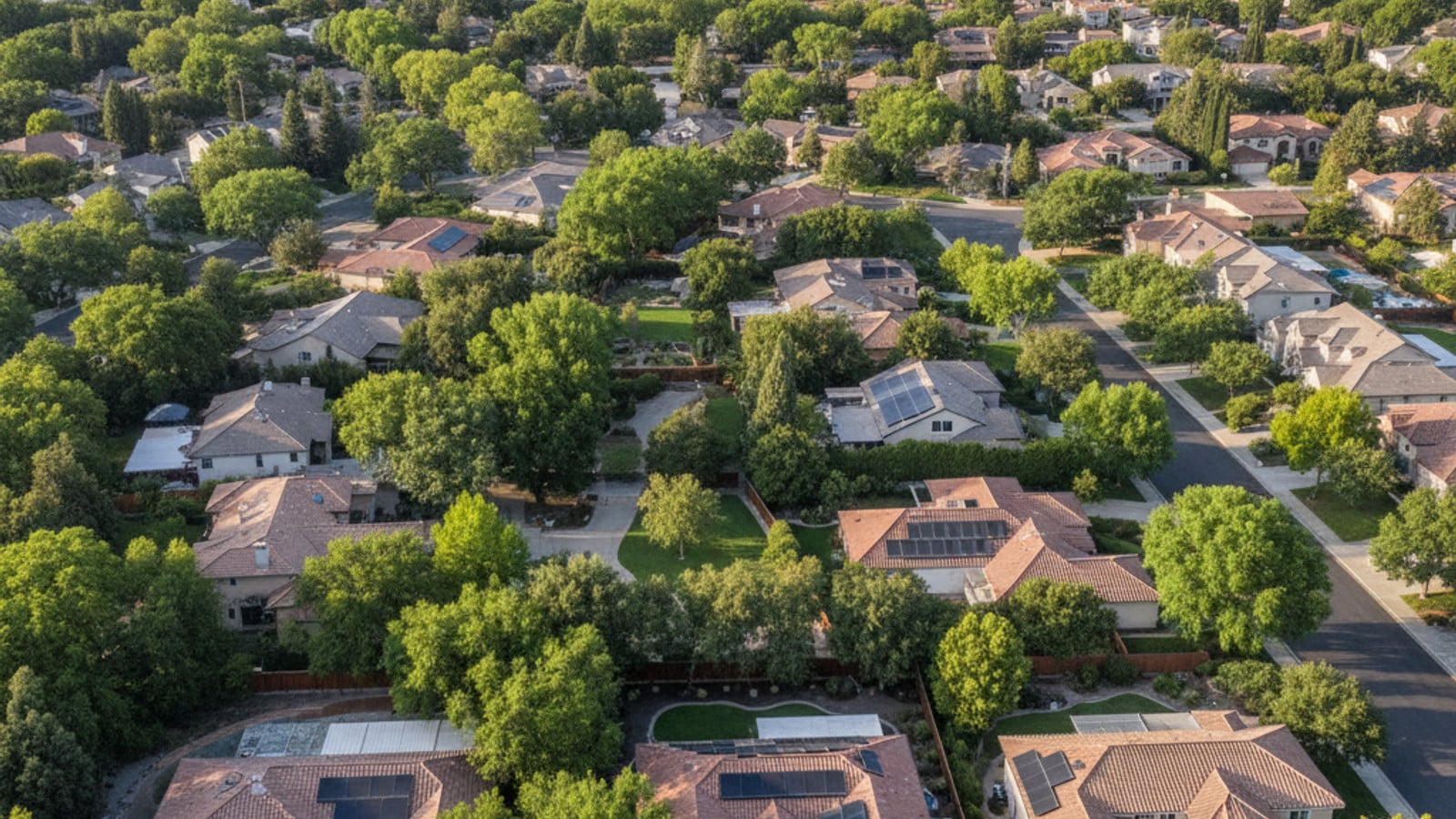
The abundance of sunshine makes solar panel installation a common home upgrade throughout the area. Many properties already feature owned or leased solar systems designed to offset these elevated summer utility costs.
Routine HVAC servicing prevents unexpected system failures when temperatures peak. Homeowners should schedule bi-annual checks in the spring and fall to keep their heating and cooling systems running efficiently.
Managing Water Use and Landscaping
Dry summers and periodic statewide droughts shape how residents maintain their yards. Homeowners must adjust their irrigation systems to match local county water restrictions during dry years.
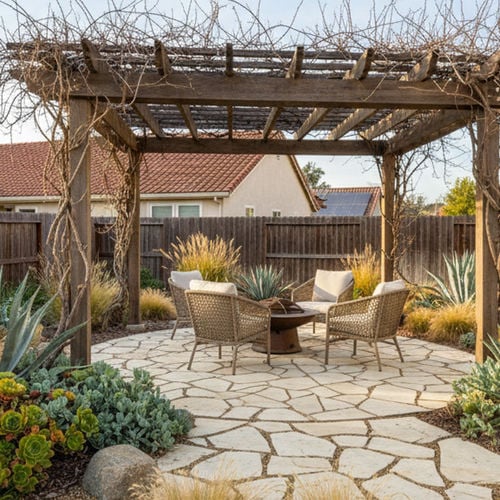
Replacing water-heavy lawns with drought-tolerant native plants or xeriscaping saves money and conserves resources. When updating your yard, keep these strategies in mind:
Install drip irrigation systems to minimize water waste.
Select native California plants that thrive with minimal summer watering.
Review your HOA guidelines, as state water conservation mandates require associations to accommodate drought-resistant landscaping.
Planning Outdoor Recreation Across the Seasons
The American River Parkway serves as a primary hub for biking and running during the spring and fall. These transition seasons offer moderate temperatures ideal for long stretches of outdoor activity.
During the hot summer months, residents shift their focus to water-based recreation. Boating, paddleboarding, and swimming at Folsom Lake or along the Sacramento River provide an escape from the midday heat.
Mild winters keep local parks and trails accessible year-round. Residents can maintain their outdoor routines through December and January without needing heavy winter gear.
Frequently Asked Questions
What type of climate does Sacramento have?
The city features a Mediterranean climate characterized by hot, dry summers and mild, wet winters. Most of the annual rainfall occurs between November and March, leaving the rest of the year warm and clear.
Does Sacramento get snow?
Snow is virtually nonexistent within the city limits. Winter temperatures rarely drop low enough to produce freezing precipitation, though the nearby Sierra Nevada mountains receive heavy snowfall.
When does Sacramento weather cool down for outdoor activities?
Temperatures begin dropping to comfortable levels in late September and October. This fall transition brings afternoon highs into the 70s, creating ideal conditions for hiking and cycling.
Check out this article next