


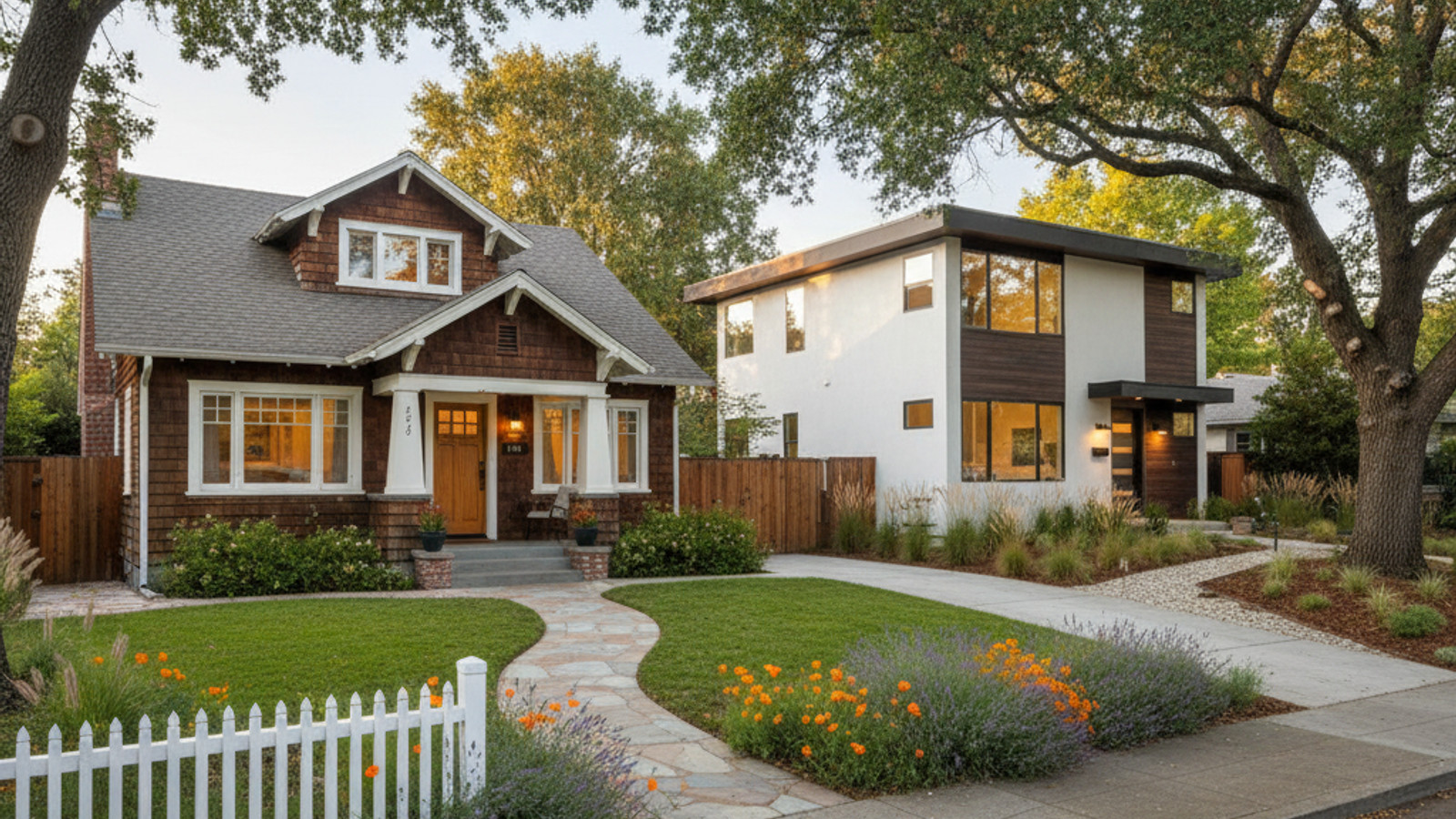
Sacramento often flies under the radar compared to its coastal neighbors, but the capital of California offers a distinct blend of economic stability and geographic convenience. Situated centrally between the San Francisco Bay Area, the vineyards of Napa Valley, and the ski slopes of Lake Tahoe, the city provides access to the state's best features without the staggering coastal price tags. Buyers looking at the region quickly realize that your housing dollar stretches significantly further here.
Navigating the local real estate market requires a clear understanding of what different neighborhoods offer and how regional economics impact property values. The 2026 landscape shows a balanced market where buyers have more room to negotiate, but inventory in highly sought-after areas remains tight. Whether you are relocating for a government position or simply seeking a more accessible entry point into California homeownership, having the right data makes all the difference.
Is Moving to Sacramento Right for You?
As the capital of California, Sacramento serves as a major civic and economic hub with a cost of living that sits roughly 11% lower than the state average. While expenses run about 24% higher than the national average, the financial contrast with nearby coastal cities makes this region highly attractive for relocators. You get the benefits of California living - including year-round moderate weather and robust infrastructure - at a much more approachable price point.
The city's geographic positioning is one of its strongest selling points for new residents. You can easily drive west to catch a San Francisco Giants game or head east for a weekend of skiing in the Sierra Nevada mountains. This central location eliminates the need to choose between urban amenities and outdoor recreation, offering a highly practical balance for everyday life.
2026 Real Estate Market Trends and Median Home Prices
The local housing landscape has stabilized significantly as of April 2026, offering a more predictable environment for buyers and sellers. The median home price in Sacramento currently sits between $500,000 and $525,000, which provides substantial purchasing power when compared to the multi-million dollar averages in San Francisco or San Jose. Buyers entering the market today will find average days on market ranging from 24 to 40 days, depending on the specific neighborhood and property condition.
Property taxes are a crucial factor in calculating your monthly carrying costs when purchasing a home here. The effective property tax rate in Sacramento County is approximately 1.19%, which should be factored into any long-term budget planning. Understanding these localized costs helps buyers make informed decisions when comparing properties in established areas like Land Park against newer developments in Elk Grove.
The most successful buyers in today's market look beyond the purchase price and focus heavily on neighborhood-specific tax assessments and long-term value retention.
Job Market and Major Employers in Sacramento
The local economy is deeply anchored by the public sector, providing a layer of stability that many other major California cities lack. The State of California is the largest local employer, maintaining over 77,000 jobs across various departments and agencies. This massive government presence creates a steady demand for housing and helps insulate the region from extreme economic fluctuations.
Beyond government roles, the healthcare and technology sectors drive significant employment growth across the Sacramento Valley. Major healthcare networks, including UC Davis Health, Kaiser Permanente, and Sutter Health, support a combined 30,000 jobs in the immediate region. Technology campuses in surrounding areas, such as Apple in Elk Grove and Intel in Folsom, further diversify the employment base and attract specialized talent.
Public Transportation and Average Commute Times
Navigating the city is relatively efficient, with the average commute time holding steady at approximately 23 to 26 minutes. Residents primarily utilize major highway arteries like I-5, US-50, and I-80 to move between suburban neighborhoods and the downtown core. This commute is notably shorter than what residents experience in the Bay Area, returning valuable hours to your weekly schedule.
For those who prefer public transit, the SacRT light rail system offers extensive coverage via its Blue, Gold, and Green lines. The 2026 modernization projects have introduced low-floor vehicles and updated station platforms, making the daily ride smoother and more accessible. These infrastructure improvements add tangible value to homes located within walking distance of major transit stops.
Local School Districts and Higher Education Options
Educational infrastructure is a primary consideration for many buyers evaluating a long-term move to the region. The area is served by several large public school networks, most notably the Sacramento City Unified and San Juan Unified school districts. These districts operate dozens of campuses across the city, offering various specialized academic programs and extracurricular facilities.
The higher education landscape is equally robust, anchored by California State University, Sacramento, commonly known as Sacramento State. Local community colleges, including Cosumnes River College, provide accessible degree paths and vocational training for residents. Additionally, the proximity of the University of California, Davis heavily influences the local economy, particularly in the agricultural and veterinary sciences.
Proximity to major educational hubs like Sacramento State often translates to strong rental demand, making those surrounding neighborhoods excellent targets for real estate investors.
Sacramento Amenities: Recreation, Dining, and Entertainment
The lifestyle in this region is defined by its extensive access to nature and a rapidly evolving culinary landscape. Known as the City of Trees, Sacramento features an impressive urban canopy that provides essential shade during the warm summer months. Outdoor recreation centers around the American River Parkway, where the 32-mile Jedediah Smith Memorial Trail offers paved paths for cycling and running.
Water access is another major draw, with residents frequently boating and paddleboarding on Lake Natoma or the Sacramento River. When you are not on the water, the city's status as the Farm-to-Fork Capital is evident in its thriving restaurant scene. Local chefs leverage the massive agricultural output of the surrounding Central Valley to create menus that rival those found in much larger metropolitan areas.
Entertainment options have expanded significantly in recent years, particularly in the revitalized downtown area. The Golden 1 Center hosts the Sacramento Kings and major live music tours, serving as a modern anchor for city nightlife. Across the river, Sutter Health Park provides classic minor league baseball action with the Sacramento River Cats, ensuring there is always an event to attend.
Frequently Asked Questions About Living in Sacramento, CA
What is the cost of living in Sacramento compared to the rest of California?
The cost of living here is approximately 11% lower than the California state average. This makes the city a highly practical alternative to coastal markets, even though expenses remain roughly 24% higher than the national baseline.
What is the median home price in Sacramento right now?
As of April 2026, the median home price in the city ranges from $500,000 to $525,000. This price point offers buyers substantial savings compared to the neighboring San Francisco Bay Area.
How long is the average commute in Sacramento?
The average commute time for residents is between 23 and 26 minutes. Drivers typically rely on major routes like I-5 and US-50 to navigate the region efficiently.
Does Sacramento have good public transportation?
Yes, the SacRT system provides extensive bus and light rail coverage across the metropolitan area. The 2026 rollout of low-floor trains on the Blue Line has significantly improved boarding times and overall accessibility.
Check out this article next