

Placer County's real estate landscape has evolved significantly over the past two decades, with master-planned developments offering highly structured environments for buyers. Lincoln Crossing stands out as a sprawling community that anchors the southern edge of Lincoln, CA. Buyers looking at this specific neighborhood often prioritize its centralized amenities and immediate highway access over older, scattered subdivisions.
Evaluating a property here requires looking beyond the standard property lines to understand the broader community framework. The local housing stock provides a consistent architectural baseline, while the integrated neighborhood association manages everything from shared recreation to telecommunications. This level of organization creates a highly predictable living experience for those relocating to the Sacramento area.
As we analyze the local data in 2026, the value proposition of this community becomes increasingly clear. This guide examines the structural, financial, and logistical realities of purchasing a home in this specific sector of the city. Understanding these neighborhood mechanics is essential for making an informed real estate investment.
The Club at Lincoln Crossing and Master-Planned Amenities
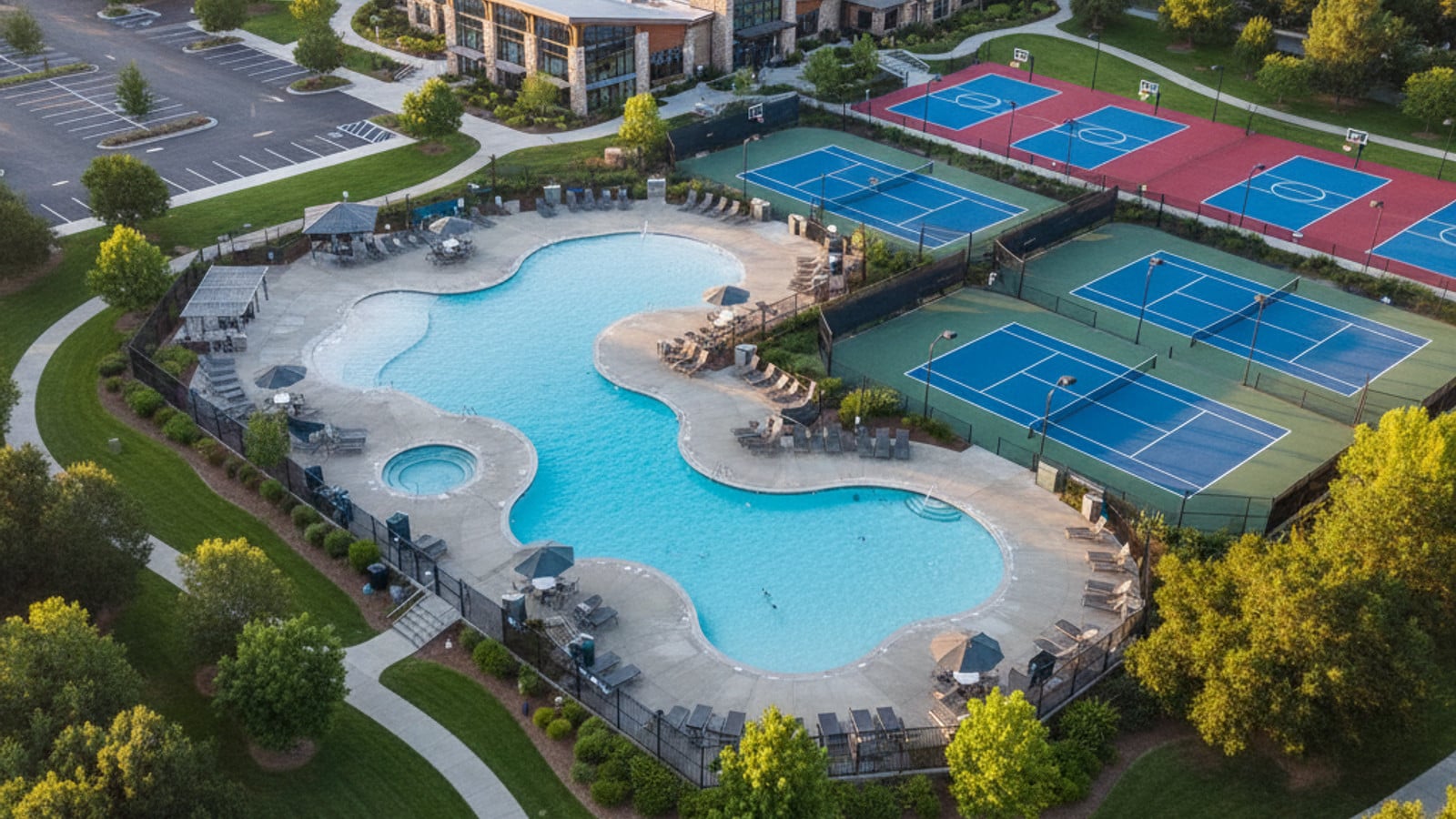
The defining feature of this neighborhood is its extensive centralized infrastructure, anchored by The Club at Lincoln Crossing. This primary recreational hub spans a massive footprint, providing residents with resort-style facilities that eliminate the need for private gym memberships. The sheer scale of the amenity package makes it one of the most comprehensive master-planned offerings in the Sacramento region.
The facility features four distinct pools designed to accommodate different recreational needs throughout the year. This includes a dedicated indoor lap pool that allows for uninterrupted aquatic exercise regardless of Northern California's winter rain or peak summer heat. Surrounding the exterior water features, residents have access to maintained tennis courts and full-size basketball courts.
Beyond the courts and pools, the clubhouse contains a state-of-the-art fitness center outfitted with modern cardio and strength-training equipment. These shared spaces are meticulously managed by the Lincoln Crossing Community Association, ensuring consistent upkeep and reliable operating hours. Having these facilities located strictly within the neighborhood boundaries significantly enhances daily convenience.
Financial structuring for these amenities is remarkably streamlined for the current 2026 market. Single-family homeowners can expect monthly HOA dues averaging between $200 and $300, which remains highly competitive given the volume of services provided. Notably, this monthly assessment typically includes bundled high-speed internet, adding immediate practical value for remote workers.
The bundled internet and gym access offset the monthly HOA cost so effectively that the fee practically pays for itself. This creates a highly predictable and manageable monthly housing budget for new buyers.
Real Estate Market Trends and Typical Property Types
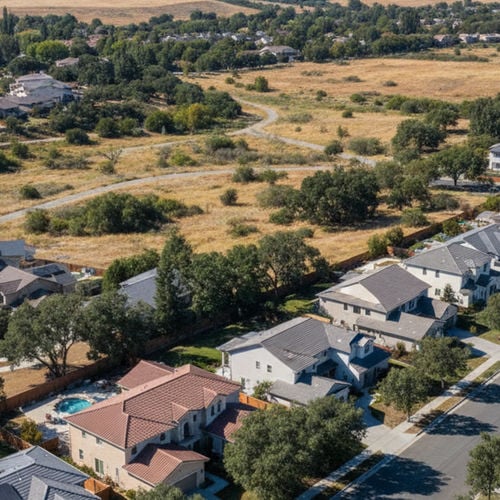
The neighborhood predominantly features single-family homes constructed during the mid-2000s residential expansion across Placer County. Architectural styles rely heavily on traditional stucco exteriors paired with durable concrete tile roofs. This specific construction combination is highly favored in California for its long-term durability and superior energy efficiency during hot summer months.
Most properties feature attached two-to-three-car garages, catering to households with multiple vehicles or those needing substantial storage space. This cohesive design language creates a uniform streetscape that protects property values through strict design compliance. Buyers will find that average home sizes range comfortably from 1,500 to over 2,800 square feet.
Condominium and townhome developments do exist within the master plan, offering lower-maintenance exteriors for buyers wanting a smaller footprint. However, buyers should note that these attached units carry slightly higher combined association fees to cover shared building maintenance and roofing. The vast majority of the available inventory remains detached single-family properties on standardized suburban lots.
Market velocity in this subdivision remains steady as we move through 2026, largely driven by its relative affordability. Median home prices in Lincoln are currently hovering around $630,000 to $650,000, presenting a distinct value proposition. The community consistently offers buyers a lower price-per-square-foot average compared to immediate neighbors in Rocklin or Roseville.
For buyers priced out of the Roseville market, Lincoln Crossing delivers identical suburban infrastructure at a much more accessible entry point. This pricing dynamic keeps neighborhood turnover relatively quick and demand consistently strong.
Transportation Access and Highway 65 Commute Times
Logistical convenience is a primary driver for real estate demand in this specific subdivision. Lincoln Crossing borders Highway 65, providing residents with immediate on-ramp access for regional travel without navigating miles of surface streets. This direct entry point is a massive advantage for professionals who need to move quickly through the Placer County corridor.
Highway 65 connects directly to Interstate 80, forming the primary continuous route for professionals driving into downtown Sacramento. The physical distance to the downtown core is approximately 28 to 30 miles, translating to a standard drive time of 35 to 45 minutes in clear traffic. For shorter trips, the major employment and retail hubs of Roseville are a brief 10 to 15-minute drive south.
Buyers must factor in the reality of peak morning and evening commute hours, which predictably increase drive times along the route. Traffic bottlenecks at the Highway 65 and I-80 interchange are a known local variable, often adding 20 minutes to a rush-hour trip. Alternative transit options like the Placer Commuter Express offer weekday bus service along the corridor for those who prefer to bypass the driving altogether.
Securing a property near the freeway entrance saves daily frustration, making the southern edge of the neighborhood the most strategic location for frequent commuters. Buyers should always map their specific route during rush hour before finalizing an offer.
Local Infrastructure, Retail, and Western Placer Unified Schools
Beyond the residential streets, the area is supported by a robust network of commercial and educational infrastructure. Daily shopping requirements are easily met at the adjacent Lincoln Crossing Marketplace, which houses major retail anchors, grocery stores, and essential services. This immediate commercial access prevents residents from having to drive to neighboring cities for basic household needs.
Miles of paved trails weave through the subdivision, connecting pocket parks and local greenbelt spaces directly to the commercial zones. These integrated pathways provide extensive pedestrian routes while simultaneously managing local storm water drainage. This thoughtful urban planning creates a highly walkable environment within the neighborhood boundaries.
The community is geographically zoned under the Western Placer Unified School District, which operates several highly integrated campuses nearby. Buyers evaluating the local public school pathway will find that the district structure is straightforward and heavily localized. The standard progression for students living within the master plan includes several distinct campuses:
Lincoln Crossing Elementary: Situated directly within the community footprint, maximizing pedestrian access for local residents.
Glen Edwards Middle School: The primary transitional campus where older students merge before high school.
Lincoln High School and Twelve Bridges High School: The two primary secondary education campuses serving the upper grade levels.
Having an elementary school physically embedded within the neighborhood's trail system is a massive logistical win for daily schedules. It drastically reduces morning vehicle traffic on the main arterial roads.
Frequently Asked Questions
What are the typical HOA fees in Lincoln Crossing?
In 2026, single-family homeowners typically pay between $200 and $300 per month for their association dues. This assessment directly covers the maintenance of The Club at Lincoln Crossing amenities and usually bundles high-speed internet service. Attached properties like condos will see higher monthly totals due to additional exterior maintenance coverage.
Which school district serves the Lincoln Crossing area?
Properties within this master-planned community fall under the jurisdiction of the Western Placer Unified School District. Students typically begin at the centrally located Lincoln Crossing Elementary before moving on to Glen Edwards Middle School. High school zoning is split between Lincoln High School and the newer Twelve Bridges High School.
How long is the commute from Lincoln Crossing to downtown Sacramento?
The standard drive time to downtown Sacramento covers roughly 28 to 30 miles and takes 35 to 45 minutes in clear traffic. However, residents traveling during peak morning or evening rush hours should anticipate longer travel times. Heavy congestion at the Highway 65 and Interstate 80 interchange can easily add 15 to 20 minutes to the trip.
Check out this article next