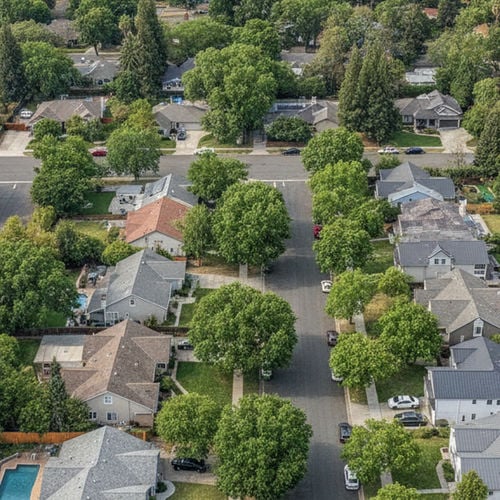


The median sale price in the Sacramento housing market sits around $598,209 as of mid-2026. If you've been in your home for a while, that number probably means you're sitting on more equity than you realize - and a move to something smaller could free up a meaningful chunk of it.
That said, trading a large house for a more manageable property in a market with just 2.7 months of supply isn't something you wing. With about 5,067 homes available at any given time, you need a real plan for selling your current place while locking down a smaller one before somebody else does.
Current Sacramento Real Estate Conditions for Downsizing Sellers
The median days on market across the Sacramento metro is 33 right now. Larger, higher-priced houses tend to run longer - sometimes 44 or 53 days before going under contract - so don't assume your four-bedroom will move at the same pace as a condo on the east side.
Knowing your likely timeline is what lets you sequence the two transactions without a gap in the middle. And sellers are in decent shape on price: the average is coming in at 99.26% of list, so a well-prepped home is still drawing serious offers.
Selling Your Current Property
Pricing a long-time residence correctly is the part most sellers underestimate. Larger homes appeal to buyers with a specific wish list, and those buyers need to see that the layout is functional and the systems are updated - not just that the square footage is there.
You'll also want to build in prep time before the listing goes live on the MLS. A home that shows well on day one has a much better shot at landing near that 33-day median. Rush it, and you're looking at price reductions and a longer wait.
Buying a Smaller House or Condo
The price points shift considerably when you move down in size. Single-family homes in Sacramento average around $496,000, condominiums come in at roughly $355,000, and townhomes have been running a median of about $303,500.
Those lower price points attract a lot of buyers, which means competition moves fast at that end of the market. Have your financing sorted - or know exactly what you're pulling from equity - before you make an offer. Scrambling for a pre-approval after you find the right place is a good way to lose it.
Sacramento Property Types Suited for a Smaller Footprint
The practical question isn't just "smaller" - it's smaller in what way. Less square footage? No yard to maintain? No stairs? Sacramento has options across all of those, from attached units close to the urban core to detached bungalows in the suburbs, so it's worth being specific about what you're actually trying to get away from before you start touring.
Condominiums and Townhomes
With a condo or townhome, the HOA takes over the exterior - roofs, landscaping, common areas. If your goal is a lock-and-leave lifestyle where you're not spending Saturday mornings dealing with the gutters, this is the straightforward answer.
Many of these properties also come with shared amenities like pools or fitness centers. Before you fall in love with any particular unit, though, read the association's rules carefully and look at the reserve funds. An underfunded HOA is a problem that shows up on your doorstep eventually.
Single-Story Floor Plans
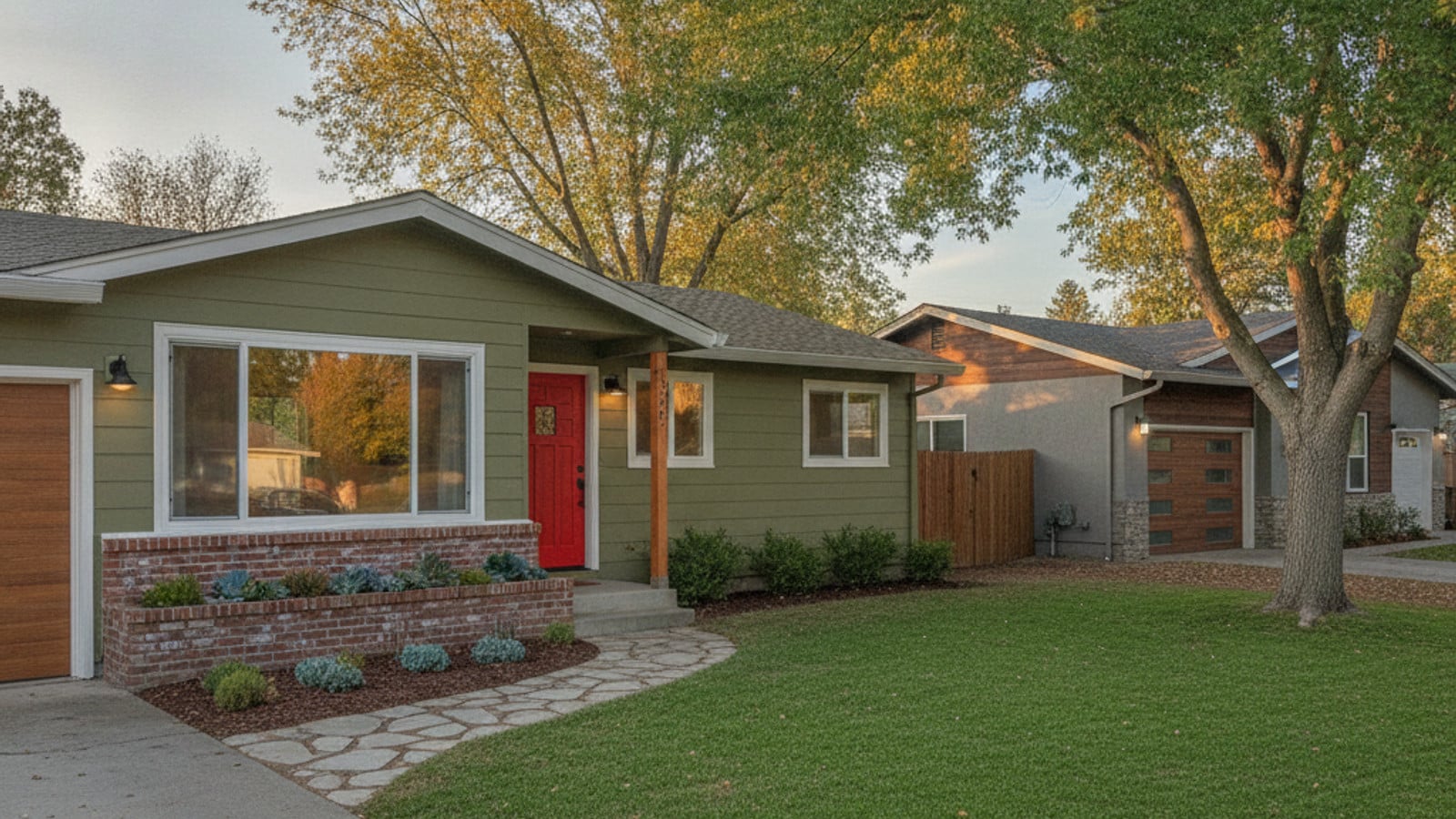
A single-story home gives you the privacy of a detached house without the stairs - no hauling laundry up to a second floor, no thinking twice about what happens if your mobility changes down the road.
Because they appeal to a wide range of buyers, well-priced single-story homes tend to move quickly. You'll find these layouts all over Sacramento, from mid-century ranch homes to newer builds in the suburbs.
Low-Maintenance Communities
Some neighborhoods are built specifically around smaller lots and minimal landscaping demands - drought-tolerant yards, or front-yard upkeep folded into the monthly dues. You still get a private outdoor space; you just don't spend your weekends managing it.
Financial Realities of Moving to a Smaller Space
The headline math is straightforward - moving from a larger home into a $355,000 condo likely frees up capital. But the real number is what's left after you account for taxes, closing costs, HOA fees, and moving expenses, not just the gap between sale price and purchase price.
Talk to a tax professional before you close on anything. Capital gains exemptions on a primary residence can be significant, and the rules around them are specific enough that you don't want to figure them out after the fact.
Leveraging Your Home Equity
A lot of long-time Sacramento homeowners have built enough equity to buy their next place outright. Paying cash is a real advantage in a low-inventory market - it simplifies the offer and removes the financing contingency that sellers tend to scrutinize.
If you'd rather finance the new home, you can use a portion of your equity for a large down payment and put the rest toward retirement savings, travel, or whatever else is next. Either way, you have more flexibility than most buyers in this market.
Sacramento County Property Taxes and Proposition 19
New home purchases in Sacramento County generally carry property tax rates between 1.05% and 1.3% of the assessed purchase value. If you've owned your home for a long time, your current Prop 13 base is probably a lot lower than what a buyer at today's prices would pay - and that's where Proposition 19 matters.
Prop 19 lets homeowners who are 55 or older, severely disabled, or victims of a natural disaster transfer their existing Prop 13 taxable value to a replacement home anywhere in California. You can do it up to three times. If the new home costs more than the one you sold, the difference in market value gets added to your transferred base - you're not stuck starting over at full assessed value.
HOA Dues Versus Standard Upkeep
Monthly HOA fees can feel like a new expense until you actually add up what you're currently spending on roof repairs, exterior painting, and lawn care. For a lot of homeowners, the predictable monthly fee ends up being cheaper than the irregular, always-larger-than-expected costs of maintaining a big house.
That's not a universal truth - dues vary widely, and some HOAs charge more than they deliver. Run the actual numbers for any property you're seriously considering.
How to Manage the Move Step by Step
Leaving a home you've lived in for decades means dealing with decades of stuff. That's not a small thing, and pretending you can sort it in a weekend usually leads to a house that isn't ready when it needs to be.
Running two real estate transactions at the same time while physically moving requires a real sequence. Work room by room, set deadlines, and treat the prep work like the transaction it is - because if the house isn't ready for photos and showings, everything else gets pushed back.
Sorting Possessions and Hiring Estate Liquidators
Figuring out what actually fits in a smaller floor plan is the first decision, and it's worth making it before you start packing. What you don't keep doesn't have to be hauled to a donation bin yourself.
Several estate liquidation companies operate in the Sacramento region: Wright's Estate Liquidators, River City Estate Liquidators, Sacramento Estate Sale Services, Kathy Platt Estate Sales, Dianna's Estate Liquidation, and Schiff Estate Services can all handle furniture and household goods. For anything that doesn't sell, Goodwill and the Salvation Army offer donation pickups.
Getting the House Ready to Sell
Once the extra furniture is gone, shift your attention to minor repairs and cosmetic updates. Fresh paint, clean carpets, clear countertops - these aren't glamorous, but they're what buyers respond to.
Rent a storage unit if you need somewhere to stage boxes while the house is on the market. A clean, uncluttered presentation is one of the most cost-effective things you can do to protect your sale price.
Coordinating Both Transactions
A contingent offer ties your new purchase to the successful sale of your current home. Sellers on the other end will want to see that your home is already listed or under contract - a contingency on a house that hasn't hit the market yet is a harder sell.
One alternative worth knowing about: a leaseback agreement with your buyer. You close on the sale, but you stay in the house for a set period afterward. That gives you time to finalize your next purchase and move without having to rush everything into the same week.
Frequently Asked Questions About Downsizing in Sacramento
How does California Proposition 19 allow me to keep my current property tax rate when downsizing in Sacramento?
Yes, you can keep your tax base if you qualify. Proposition 19 allows homeowners aged 55 and older to transfer their existing Prop 13 taxable value to a replacement home anywhere in California, up to three times. If your new home costs more than the one you sold, the difference in market value is added to your transferred assessed value rather than wiping it out.
Is it better to buy my smaller Sacramento home before or after selling my current family house?
It depends on your financial situation. Buying first means carrying two properties at once, but it makes the physical move much easier. Selling first frees up your equity and lets you make a cleaner, non-contingent offer on a smaller property - which matters when you're competing for condos that average around $355,000.
What are the most popular Sacramento neighborhoods and suburbs for empty nesters looking to downsize?
That really comes down to whether you want urban walkability or suburban quiet. Buyers focused on attached properties tend to search closer to the city center. Those after single-story homes or low-maintenance yards often end up in communities like Roseville, Folsom, Elk Grove, and Fair Oaks - areas also serviced by estate liquidators like River City Estate Liquidators.
How competitive is the market for single-story homes and low-maintenance condos in Sacramento right now?
Competitive. Sacramento metro homes are selling at a median of 33 days, and buyers are paying an average of 99.26% of list price. Well-priced single-story homes and condos get attention quickly.
Will downsizing in Sacramento save me money once new HOA dues and current interest rates are factored in?
It depends on the specific purchase and how you're financing it. New HOA fees are real, but so is the gap between a $355,000 condo and a $496,000 single-family home. If you're paying cash with equity proceeds, the interest rate question disappears entirely.
What are the biggest mistakes long-time Sacramento homeowners make when decluttering and preparing to sell?
Two come up consistently. The first is trying to handle everything yourself rather than bringing in local resources like Estate Sale Guy or Granite Bay Estate Sales to move unwanted furniture. The second is not planning around the 33-day median market timeline - which means the house goes live on the MLS still cluttered, and the first impression is the wrong one.
Check out this article next