

Understanding the Sacramento CA housing market requires looking beyond the state capital's historic charm and analyzing current economic drivers. As we move through the spring of 2026, buyers and sellers are navigating a landscape defined by stabilizing interest rates and steady regional demand. Real estate dynamics here offer a distinct alternative to the higher-priced coastal metropolitan areas.
The local market continues to attract a mix of first-time buyers, real estate investors, and relocations from the broader Bay Area. Tracking inventory levels, pricing shifts, and neighborhood developments is essential for making informed property decisions this year. We will examine the latest data to help you understand exactly what to expect when entering the market.
Current Sacramento CA Median Home Price
Pricing in the Sacramento area has found a steady rhythm after the fluctuations seen in previous years. As of early 2026, the median home price hovers between approximately $500,000 and $515,000. This represents a balanced stabilization when compared to the rapid appreciation spikes of the recent past.
The average price per square foot currently sits at roughly $340 across the metropolitan area. Buyers looking at entry-level single-family homes or townhouses will find the most options near this median baseline. Meanwhile, premium properties and larger estates in certain suburbs regularly cross the $700,000 and $1 million thresholds.
This pricing structure means buyers need to be strategic about their target neighborhoods and property types. Condominiums and new construction developments often present different value propositions compared to established single-family homes. Sellers holding properties in the median price tier currently enjoy the highest volume of buyer interest.
Sacramento Real Estate Inventory and Days on Market
Available housing supply remains a defining factor for anyone entering the market this year. The region currently holds about 2.4 to 3 months of inventory, representing a moderate housing shortage that leans slightly in favor of sellers. With approximately 2,100 active listings across the metro, buyers have options but must act decisively on well-priced homes.
Properties are spending an average of 24 to 36 days on the market before going under contract. This timeline gives buyers a brief window to negotiate, but turnkey homes often receive offers much faster. Sellers who price their properties accurately from day one are seeing the most consistent success without needing downward price adjustments.
Property Types and Developing Areas
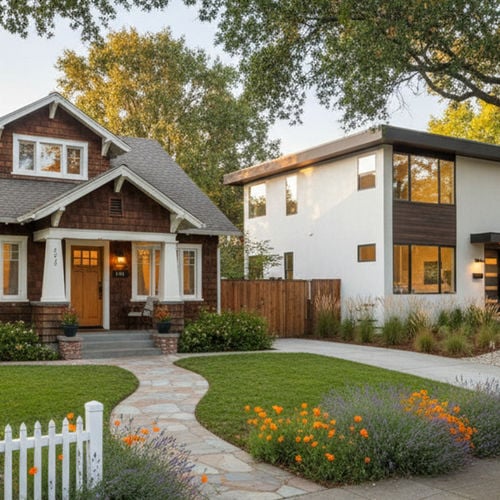
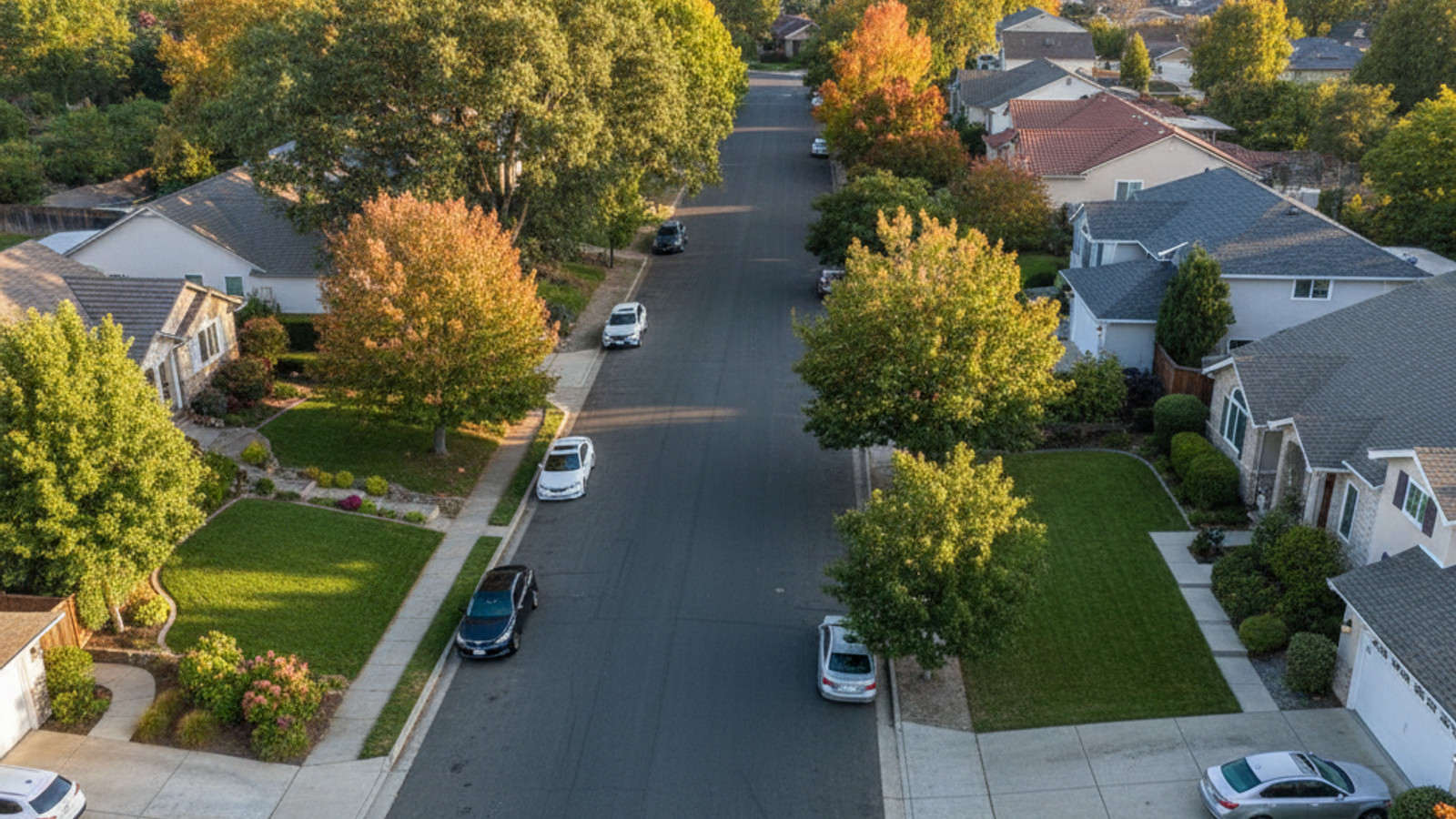
The Sacramento County region offers a diverse architectural landscape, ranging from historic properties in the city center to modern suburban developments. New construction trends are expanding the footprint of developing areas, offering modern amenities and energy-efficient designs. In contrast, established neighborhoods often feature mature tree canopies and distinct mid-century or Victorian architectural styles.
Location features heavily influence property demand and localized pricing. Homes located near the American River Parkway or William Land Park command premium prices due to immediate recreation access. Properties zoned within the Sacramento City Unified School District also maintain consistent interest from buyers prioritizing educational access.
Regional Infrastructure and Commute Times
Transportation networks play a massive role in shaping local real estate values and renter demand. Major corridors like I-5 and US-50 dictate average commute times, heavily influencing which suburbs see the most buyer activity. Properties with immediate highway access tend to sell faster, especially to those commuting to major employment hubs.
Public transit options also shape the regional housing landscape. The SacRT light rail system provides essential connectivity across the metro area, supporting high-density housing developments near transit stations. This infrastructure is particularly valuable to the Bay Area commuter demographic seeking lower housing costs while maintaining regional accessibility.
Sacramento Property Tax Rates and Average Insurance Costs
Understanding the true cost of homeownership requires looking closely at property taxes and regional insurance premiums. California applies a base property tax rate of 1% to the assessed value of a home. However, local voter-approved bonds and direct assessments typically push the effective tax rate in Sacramento to between 1.1% and 1.3%.
Buyers must also account for supplemental expenses that impact monthly carrying costs. Many new developments include Mello-Roos taxes, which fund local infrastructure and can noticeably increase annual tax bills. Transfer taxes and homeowner association (HOA) fees are additional variables that differ significantly from one neighborhood to the next.
The current insurance environment in CA also demands careful financial planning. Average annual homeowner insurance policies in the area range from $800 to $2,000, depending heavily on coverage limits and localized risk factors. Buyers should secure insurance quotes during their inspection period to ensure accurate monthly mortgage calculations.
Sacramento CA Housing Market Trends and Predictions
Looking through the remainder of 2026, the local House Price Index is expected to show steady, sustainable movement. Stabilizing mortgage interest rates, currently ranging from 5.75% to 6.6%, are bringing more predictable borrowing costs to the market. This financial stability is encouraging both hesitant buyers and sidelined sellers to re-enter the real estate landscape.
Market analysts project a modest appreciation rate of 2% to 4% for the Sacramento area this year. This steady growth pattern is excellent for long-term equity building without the volatility of pandemic-era spikes. It indicates a maturing market that rewards long-term holding strategies over short-term property flipping.
As we head into the second half of 2026, the market conditions remain slightly tilted toward sellers, though buyers hold more negotiating power than they did a few years ago. Sellers must focus on property condition and strategic pricing to attract offers. Buyers who secure financing early will be in the best position to capitalize on new inventory as it hits the market.
Sacramento Real Estate FAQs
Are home prices dropping in Sacramento, CA?
Home prices are not experiencing a significant drop, but rather a healthy stabilization. The median home price remains steady around $500,000 to $515,000 in 2026. Buyers will find fewer aggressive bidding wars, but overall property values are holding firm.
Is 2026 a good year to buy a house in California?
Purchasing a home this year offers the advantage of stabilized interest rates and more predictable market conditions. With local appreciation projected at 2% to 4%, buyers have a solid opportunity to build long-term equity. The key is securing a property that aligns with your financial goals rather than trying to time the market perfectly.
What should I know about the rental market in Sacramento, CA?
The rental market remains highly active, supported by steady regional employment and infrastructure improvements. Strong renter demand near transit hubs like the SacRT light rail stations keeps vacancy rates relatively low. Investors will find consistent yield opportunities, while renters should expect steady pricing across most property types.
Check out this article next