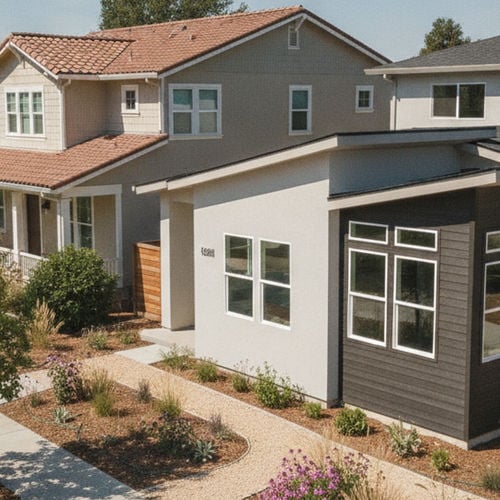


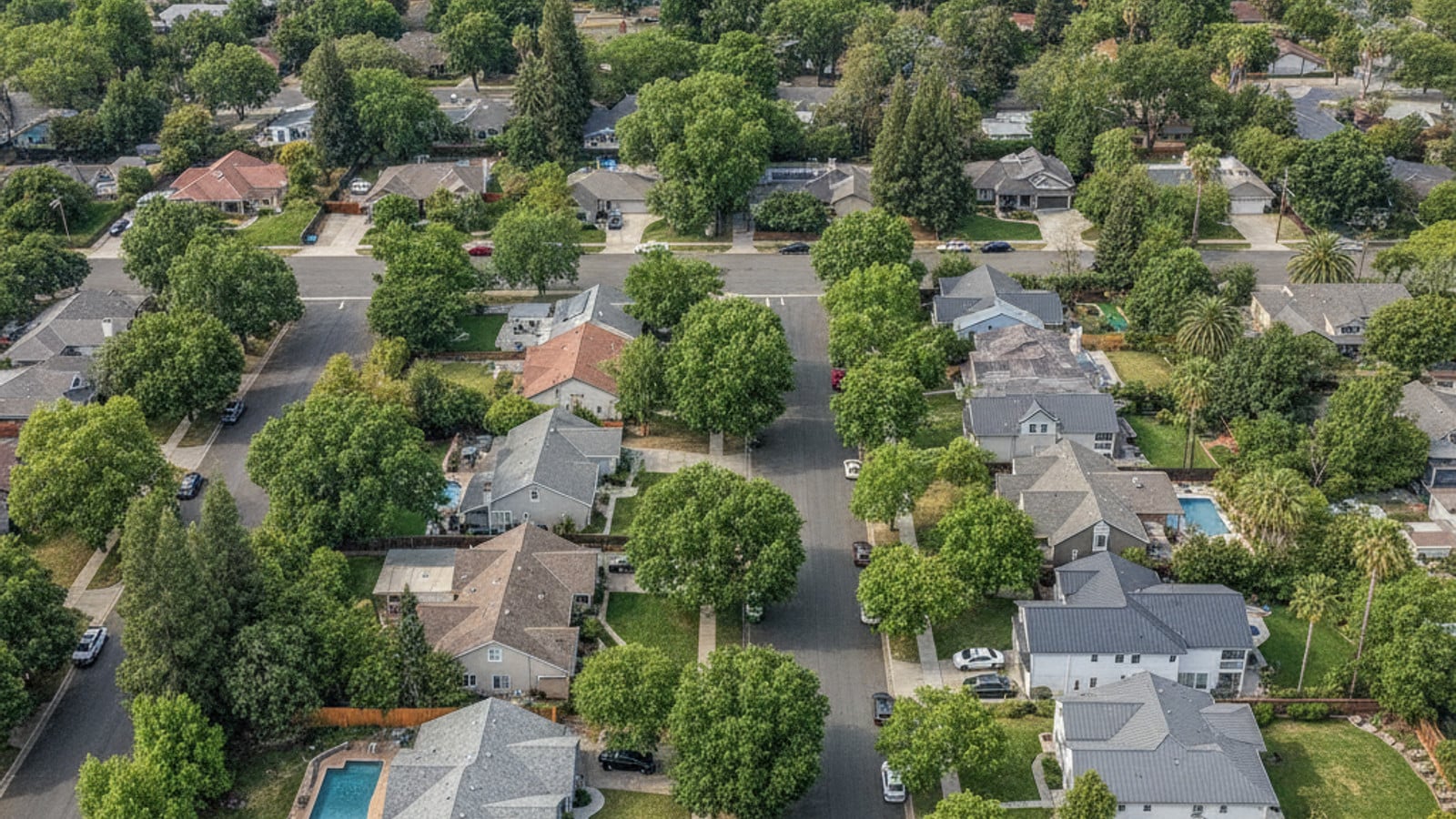
Sacramento doesn't get the press that San Francisco or Los Angeles do, but that's part of the point. With a city population estimated at 538,753 this year, the Sacramento, CA housing market offers consistent tenant demand, a growing employment base, and price points that actually pencil out without requiring a small miracle on the financing side.
The wider metro area sits at about 2.7 months of housing supply. That's not a hot seller's market, but it's not buyer's paradise either. Demand is steady, and that matters more to a long-term investor than any short-term swing.
Is Sacramento a Good Place for Real Estate Investors?
The median sale price across the broader Sacramento metro was approximately $598,209 as of mid-2026. Step inside the city limits and that figure drops to closer to $500,000 - a meaningful difference if you're comparing entry costs to other major California cities.
Inventory is relatively tight at roughly 5,067 homes across the metro. Homes are sitting a median of 33 days on market, and about 28% of listings are closing above asking. That's not a frenzy, but it tells you there's real competition for well-priced properties.
Home Prices and Appreciation Trends
Prices in the Sacramento metro showed a minor 0.3% year-over-year dip as of mid-2026. The city itself saw a slightly larger 2.1% decrease over the spring months, landing the median price per square foot at roughly $337.
That mild softening is actually useful information. You're not buying into a market where prices are running ahead of fundamentals - which means you can underwrite a deal based on what the property actually generates today, not what you're hoping it'll be worth in three years.
Rent Averages and Yield Estimates
RentCafe puts average apartment rents at $1,895 per month for July 2026. Zillow tracks average rents closer to $1,995. Pull in single-family homes and other larger units, and median rents can push toward $2,300.
The spread between those figures matters. Don't plug in the top number and assume it applies to your specific property type and zip code - run your yield calculations against what's actually renting in the neighborhood you're targeting.
Population Growth and Market Fundamentals
The broader Sacramento metro added residents at a 1.16% rate between 2024 and 2025, bringing the total metro population to roughly 2,269,000. The city proper is growing at a steadier 0.43% annual rate.
Those aren't headline-grabbing numbers, but for a buy-and-hold investor, slow and consistent beats volatile every time. A growing tenant pool doesn't require explosive growth - it just requires that more people keep showing up than leaving.
Who is Moving to the Area
The short answer: people priced out of the Bay Area and Southern California. Sacramento offers a lower cost of living than either of those regions, and it functions as a genuine employment center anchored by state government and an expanding private sector.
Rancho Cordova, just east of the city, is the region's largest employment center. That matters because job concentration drives localized housing demand. If you're trying to figure out where tenants will actually want to live, follow the jobs.
Neighborhoods with Strong ROI Potential
Oak Park comes up consistently for investors - developing economy, active arts and dining scene, strong rental income potential. Midtown and South Land Park attract attention for rising property values and renovation upside.
East Sacramento plays a different game. Lower vacancy rates, steadier appreciation, less speculative - it's where investors tend to look when they want reliable long-term returns rather than a value-add project.
Common Strategies for Sacramento Investment Properties
Two rules come up constantly in investor conversations: the 1% rule and the 3-3-3 rule. The 1% rule says a property should rent for at least 1% of its purchase price each month. At a $500,000 median, that means $5,000 per month in rent - which doesn't happen here without a meaningful down payment or a multi-unit configuration. It's a useful filter, but don't let it rule out a property that otherwise makes sense.
The 3-3-3 rule is about reserves: three months of mortgage payments, three months of maintenance funds, and three months of personal living expenses set aside before you close. It sounds conservative until you have an unexpected vacancy and a roof issue in the same quarter.
Buy-and-Hold Rentals
With Sacramento rents averaging between $1,795 and $2,300, buy-and-hold can work - but the math has to be honest. That means running your actual debt-to-income ratios, factoring in California property taxes, accounting for local insurance rates, and not pretending your vacancy rate will be zero.
Long-term population growth in the metro supports the strategy. The question isn't whether tenants exist - it's whether your specific property, at your specific purchase price, produces acceptable cash flow after real expenses.
Flipping Houses and Margin Rules
The 70% rule gives flippers their ceiling: pay no more than 70% of a property's after-repair value, minus the cost of repairs. That's your maximum allowable offer.
In a market where homes spend a median of 33 days on market and 99.2% of listings sell near asking price, finding that kind of discount on the open market is rare. Flipping in Sacramento means hunting for distressed properties or cultivating off-market relationships - not browsing Zillow for deals.
Month-to-Month and Short-Term Rental Demand
Sacramento has a real short-term and month-to-month rental market driven by traveling nurses, corporate relocations, and government contractors. These tenants typically pay more than annual lease tenants, and they're consistent in certain submarkets.
That said, California's municipal code requirements for short-term rentals are not to be ignored. Review the city's current zoning laws and permit requirements before you buy a property specifically for this purpose - not after.
Furnished Corporate Rentals
A furnished month-to-month rental targets workers who need housing for 30 to 90 days. It fills the gap between a nightly vacation rental and a traditional 12-month lease, and it typically commands higher monthly rates that can offset the cost of furnishings and utilities.
Properties near Rancho Cordova or the downtown state offices tend to perform well under this model. The tenant pool is there - you just have to price and manage it correctly.
Evaluating Profitability
Short-term rental operators sometimes use the 75/55 rule as a benchmark: target 75% occupancy and a 55% operating margin. Getting there requires active management, dynamic pricing, and consistent maintenance - none of which run themselves.
Before you project annual revenue, pull a comparative market analysis for short-term rentals in your specific target zip code. Seasonal travel patterns and local events will move those numbers more than you might expect.
Where to Buy and What to Avoid
Finding the right investment property in Sacramento, CA means matching purchase price against realistic rental income - not the best-case scenario, but the realistic one. The metro has established neighborhoods, transitional districts, and suburban employment hubs, each with different cost structures and risk profiles.
Look at infrastructure and environmental factors before you make an offer. Geography and municipal boundaries create real differences in ongoing holding costs.
Top Areas for Stable Returns
East Sacramento's low vacancy rates and steady tenant retention make it a consistent target for investors who prioritize reliability over upside. Appreciation has been steady here, not spectacular - which, depending on your strategy, is exactly what you want.
Midtown and Oak Park offer more of a value-add play. The local amenity base has been shifting, and renters who value proximity to dining and arts venues are moving into both neighborhoods. That creates opportunity for buyers willing to take on renovation projects.
Zoning and Flood Risks
Sacramento sits at the confluence of two major rivers. Flood zone designation is a real consideration here, not a hypothetical one - properties in designated floodplains require specialized insurance, and that cost hits your monthly cash flow directly.
Zoning matters too, especially if you're planning to add units or convert a single-family home. What the city permits on a given lot is not always what you're envisioning. Verify before you finalize your pro forma.
Next Steps for Buying Local Property
Before you close on anything, get clear on what drives values down in this market. Deferred maintenance, outdated electrical systems, and poor roof conditions are among the fastest ways a property loses value in Sacramento. A thorough inspection isn't optional - it's how you find out what the seller's price doesn't reflect.
Commercial real estate and multi-unit residential buildings come with different underwriting standards than single-family homes. Lenders will evaluate the property's projected income alongside your personal financials, and those two things need to hold up independently.
Financing and Property Valuation
Investment loans typically require 20% to 25% down, and interest rates on non-owner-occupied properties run higher than what you'd get on a primary residence. That spread affects your cash-on-cash return, so model it accurately from the start.
Accurate valuation is where deals either work or don't. Work with appraisers and inspectors who know Sacramento's specific neighborhood boundaries and the construction styles common to different parts of the city - that local knowledge shows up in the quality of their assessments.
Connecting with Local Investors
Local groups like the California Property Investors Group (CalPIG) are worth your time - contractor recommendations, market intelligence, and conversations with people who've already made the mistakes you're trying to avoid.
A real estate agent who specializes in Sacramento investment properties gives you access to both on-market data and off-market opportunities. Cap rate analysis and highest-and-best-use questions are a lot easier to answer with someone local who's seen how those decisions have played out across the market.
Frequently Asked Questions
Which Sacramento neighborhoods offer the best cash flow for rental property investors right now?
Oak Park is frequently cited for its affordability and high average rents, making it a strong option for cash flow. Rancho Cordova also offers solid rental demand due to its status as a major regional employment center.
How much of a down payment is typically required for a multifamily investment property in Sacramento, CA?
Lenders generally require a 20% to 25% down payment for non-owner-occupied investment properties. This applies to both single-family rentals and multifamily buildings in the Sacramento area.
How do Sacramento's local tenant protection and rent control ordinances impact landlord profitability?
It depends on the specific property and its location within the city or county limits. Investors should review current California and Sacramento municipal codes to understand how rent caps and eviction rules affect long-term revenue projections.
Is it more profitable to flip houses or buy-and-hold rental properties in the current Sacramento market?
It depends on your investment timeline and access to capital. Buy-and-hold properties benefit from steady population growth and median rents between $1,795 and $2,300, while flipping requires finding distressed properties to meet the 70% rule for upfront profit.
Are out-of-state investors still finding good ROI in Sacramento compared to other Northern California cities?
Yes. With a city median home price around $500,000, Sacramento offers a lower barrier to entry than coastal hubs like San Francisco or San Jose, while still providing strong tenant demand.
Does adding an ADU (Accessory Dwelling Unit) to a Sacramento property significantly increase its investment resale value?
It generally increases the property's income potential and overall value. However, investors must verify local zoning restrictions and permit requirements before factoring an ADU into their after-repair value calculations.
Check out this article next