



📱 Make a Smarter Home-Buying Move
Don’t let bad data or hidden fees cost you your dream home! Download the Made 4 More app for accurate listings and better real estate data—without your info being sold. Find the right home with confidence!
If you’re thinking about buying a home, there’s a good chance mortgage rates are one of the first things you check.
And honestly, it makes sense. Even a small change in your interest rate can affect your monthly payment, your purchasing power, and how much you ultimately pay for your home.
But here’s the part many buyers overlook: you don’t have complete control over where mortgage rates go, but you do have control over several factors that can influence the rate you qualify for.
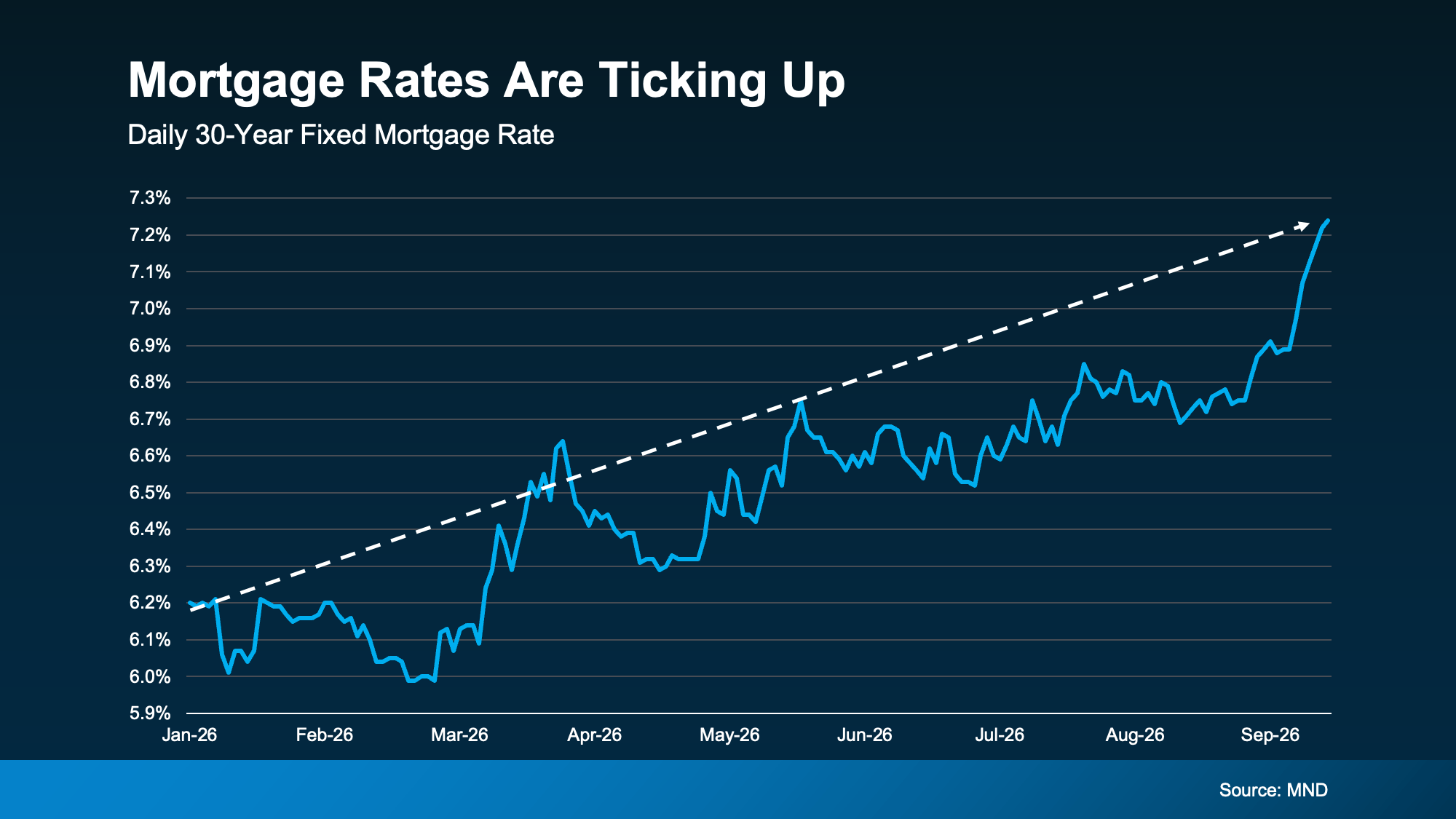
Mortgage rates move based on a long list of economic factors, including inflation, Treasury yields, economic growth, financial markets, and expectations about Federal Reserve policy. Those are things none of us can change from the kitchen table.
So instead of obsessing over what the market might do next, why not focus on what you can control?

Here are three places to start.
1. Give Your Credit Score Some Attention
Your credit score can have a meaningful impact on the mortgage options available to you.
Think of your credit score like a financial report card. The stronger your credit profile, the more loan options you may have—and potentially the better terms you may qualify for.
Before applying for a mortgage, take a look at your credit and make sure everything is accurate. Paying bills on time, keeping credit card balances under control, and avoiding unnecessary new credit applications can all help you maintain a stronger profile.
And if your score isn’t where you’d like it to be? Don’t assume you have to put your home search on hold.
Talk with a trusted lender about your specific situation. They can help you understand where you stand today and what steps could potentially improve your financing options.
Small improvements can matter when you’re talking about a mortgage that lasts for decades.
2. Don’t Assume There’s Only One Loan Option
When buyers hear the word “mortgage,” they sometimes picture one standard 30-year fixed loan.
But there are several financing options available, and the right one depends on your circumstances.
You may come across conventional, FHA, VA, or USDA financing, along with different loan terms and structures. A 15-year mortgage, for example, works very differently from a 30-year mortgage. Fixed-rate and adjustable-rate mortgages also come with different features and tradeoffs.
That’s why comparing options matters.
Instead of asking a lender only, “What’s today’s rate?”, consider asking:
“What loan options do I qualify for, and what would my total monthly payment look like with each one?”
The lowest advertised rate isn’t necessarily the best fit for every buyer. You also want to understand the down payment requirements, closing costs, mortgage insurance, fees, and other terms attached to the loan.
Think of it like shopping for a car. You wouldn’t choose one based only on the sticker price. You’d want to know what you’re actually getting for the money.
The same idea applies to your mortgage.
3. Look Beyond Existing Homes
Here’s an option many buyers don’t immediately consider: new construction.
Why?
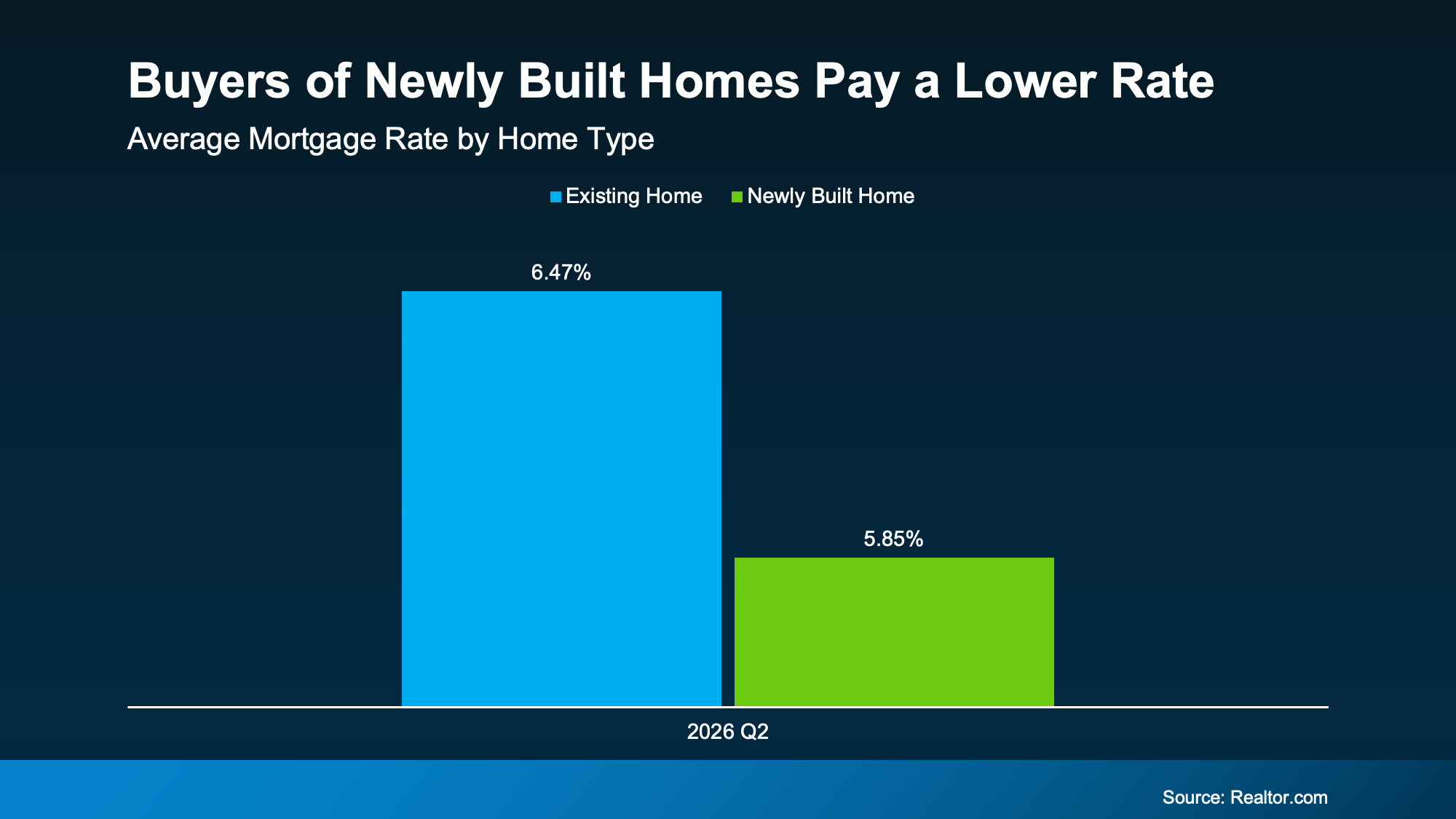
Builders sometimes offer incentives to attract buyers, and those incentives can include mortgage rate buydowns or credits that help reduce upfront or monthly costs.
That doesn’t mean every new home will come with a better financing deal. It simply means it’s worth comparing.
For example, you might find a new-home community where the builder is offering an incentive through its preferred lender. Depending on the terms, that could potentially make the monthly payment more competitive.
But there’s an important catch: don’t compare the interest rate alone.
Look at the entire package.
What is the purchase price? What incentives are being offered? Are there lender requirements? What fees apply? How long does the incentive last? And what does the payment look like once any temporary buydown period ends?
Your real estate agent and lender can help you compare the numbers side by side.
What About Waiting for Mortgage Rates to Drop?
This is the question almost every buyer eventually asks:
“Should I just wait?”
The truth is, nobody can guarantee exactly where mortgage rates will be months from now.
Waiting could mean rates change in a way that benefits you—but home prices, inventory, competition, and your own financial situation could change at the same time.
That’s why your decision shouldn’t be based on trying to perfectly time the mortgage market.
Instead, focus on what you can actually control: your credit, your financing options, your budget, and the homes you’re considering.
If the right opportunity comes along and the numbers work for you, there are also future refinancing opportunities to discuss if market conditions change. Of course, refinancing isn’t guaranteed and comes with its own costs and requirements, so it’s something to evaluate based on the circumstances at that time.
The Bottom Line
You can’t control the headlines. You can’t control inflation. You can’t control the Federal Reserve. And you definitely can’t control every twist and turn in the mortgage market.
But you can control how prepared you are.
Strengthen your credit, compare your loan options, and don’t overlook homes where financing incentives could improve the overall numbers. Those steps can give you more information and more flexibility when it’s time to make a decision.
Buying a home doesn’t require you to predict the future. It requires you to understand your options and make sure the numbers make sense for your situation.
Ready to see what your buying power could look like? Call or text us at 855-935-MORE.
Check out this article next