


Sacramento area homes are currently selling in a median of 20 days, but that fast turnaround depends on an accurate initial asking price. Working with the best real estate agent in Sacramento can help you determine the most effective starting number. Buyers are actively touring properties, and they come armed with local sales data and a clear understanding of neighborhood values.
A well-researched pricing strategy dictates how many buyers tour your Sacramento, CA home and the final amount you walk away with. A comparative market analysis provides the baseline value, but deciding exactly where to set the final number requires a close look at current local demand. Your initial list price sets the tone for the entire transaction.
What the 2026 Real Estate Market Looks Like Right Now
As of mid-2026, the median home sale price in the Sacramento metro area sits around $607,500. Inventory remains tight, with roughly 5,337 active listings equating to about 2.7 months of supply. This specific data point indicates a seller's market, as a balanced market typically holds closer to six months of available homes.
This low inventory environment gives sellers an advantage, but buyers are still sensitive to overpriced properties. About 40% of homes are selling above list price, while the average sale-to-list ratio hovers right around 100%. Buyers are willing to pay full price, but they rarely entertain listings that ignore recent neighborhood sales.
These numbers show a balanced tension between buyer demand and available homes. Sellers who price their property accurately from day one tend to capture the most attention and the strongest offers. Homes are going pending in roughly 20 days, meaning a well-priced listing moves quickly from the initial showing to an accepted contract.
Pricing Below Market to Spark Multiple Offers
Listing a home slightly below recent comparable sales is a common tactic for generating immediate buyer interest. This approach functions similarly to penetration pricing in retail, where a lower entry point draws a larger crowd. A slightly lower asking price ensures your listing appears in more online search brackets, capturing buyers who might have otherwise missed it.
By setting the asking price just under what the comparative market analysis suggests, you invite more foot traffic. More showings often translate into multiple offers, which can bid the final sale price up past the original market value. This competitive environment encourages buyers to drop contingencies and submit their strongest possible terms.
Sellers should use this aggressive pricing model carefully. Setting the number too low risks hurting your profit margin if the anticipated bidding war fails to materialize. Clear guidance from your real estate agent ensures the lower price aligns with your financial goals and current neighborhood demand.
Adjusting Your Price for Location and Highway Access
A buyer's daily drive to work dictates how much they are willing to pay for a specific address. Properties with quick access to I-5, I-80, or US-50 often command a premium because they cut down commute times to major employers and the State Capitol. Buyers calculate the cost of gas and their time on the road directly into their housing budget.
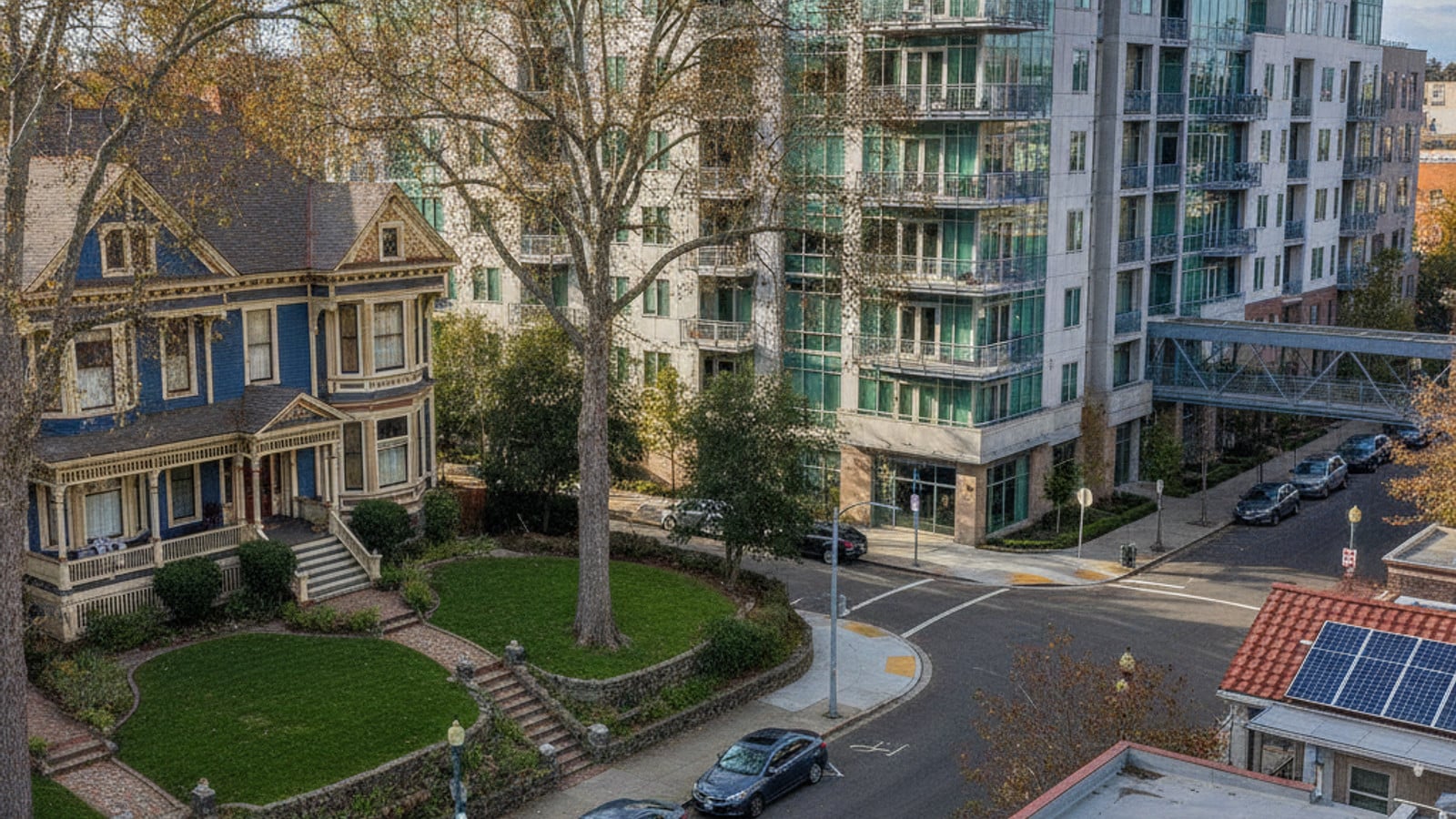
A historic house in Midtown will carry a different price per square foot than a newer build in Natomas. The urban core offers walkability to state offices, while suburban locations provide larger lots at the expense of a longer drive. You should factor these location-specific tradeoffs into your initial asking price.
You should look at your neighborhood through the eyes of a commuter. If your property requires a long drive just to reach the nearest freeway on-ramp, that extra time needs to be reflected in a slightly more competitive asking price. Conversely, homes near major transit corridors can push the upper limits of recent comparable sales.
How Parks and School Districts Influence Property Values
Proximity to the American River Parkway and specific school district boundaries directly alters a home's baseline value. Value-based pricing looks at the specific lifestyle features a property offers beyond just square footage and bedroom counts. Buyers consistently pay more for homes located within the San Juan Unified or Sacramento City Unified school districts.
Easy access to outdoor recreation, established bike trails, and community centers also drives up the baseline price. A house situated directly on a greenbelt will attract a different buyer pool than a similar house located next to a commercial shopping center. These permanent neighborhood features justify a higher asking price because they cannot be replicated.
Sellers should highlight these permanent neighborhood features when finalizing their asking price. If your home sits within walking distance of a major trail system or a top-rated campus, you can lean toward the higher end of your pricing bracket. Properties located further from these amenities require a more conservative pricing model to attract the same number of buyers.
Common Listing Price Mistakes to Avoid
Overpricing a home just to see what happens frequently leads to a stale listing and a lower final sale price. This tactic, sometimes called price skimming, assumes you can always lower the price later if no one bites. In reality, the first two weeks on the market generate the most buyer interest, and an inflated price wastes that window.
Sellers frequently make a few predictable errors when setting their initial number. You should avoid these common pitfalls to keep your listing competitive:
Relying on automated online valuation tools that cannot account for recent remodels or local street conditions.
Ignoring current supply constraints and pricing above recent comparable sales.
Assuming a price reduction later will fix an initial overpricing mistake, which often signals desperation to buyers.
You should base your final number on a detailed analysis of local competition and active supply constraints. A well-researched price point protects your profit margin and keeps buyers engaged. Setting the right price from the start remains the most effective way to secure a strong offer.
Frequently Asked Questions About Selling in Sacramento
What is the best pricing strategy for a home in Sacramento?
The most effective approach depends on your neighborhood's specific inventory levels. Many sellers find success by pricing exactly at current market value to capture serious buyers immediately. If you own a desirable property in a low-inventory zip code, pricing slightly below market can trigger competing offers.
How do current inventory levels and days on market affect my listing price in Sacramento?
With Sacramento's current inventory sitting around 2.7 months of supply, sellers have an advantage but cannot overprice. The median days on market is 20, meaning correctly priced homes sell fast. If supply increases in your specific neighborhood, you will need to price more aggressively to stand out.
Should I price my Sacramento home below market value to trigger a bidding war, or price it slightly higher?
Pricing slightly higher often results in fewer showings and a longer wait for an offer. Setting the price just below market value draws more attention and increases the likelihood of multiple offers. Around 40% of Sacramento homes are currently selling above list price, showing that competitive initial pricing works.
How much do local Sacramento commute times and school districts impact my home's asking price?
Location features like commute routes and school zones dictate a large portion of a home's baseline value. Homes within the San Juan Unified district or near US-50 often sell for a premium compared to similar houses further out. Buyers calculate their daily commute and school preferences directly into their maximum offer price.
What happens if I overprice my house in the current Sacramento real estate market?
An overpriced home will sit on the market while buyers purchase correctly priced alternatives. Once a listing surpasses the 20-day median without an offer, buyers begin to wonder if something is wrong with the property. You will likely have to issue a price reduction, which weakens your negotiating position.
How long should I wait before reducing the price of my Sacramento listing if I don't get any offers?
You should reevaluate your price if you receive no offers or very few showings within the first 14 days. Since the median time to sell is 20 days, a lack of early activity indicates a mismatch between your price and buyer expectations. A quick, decisive price drop is better than letting the listing grow stale.
Check out this article next