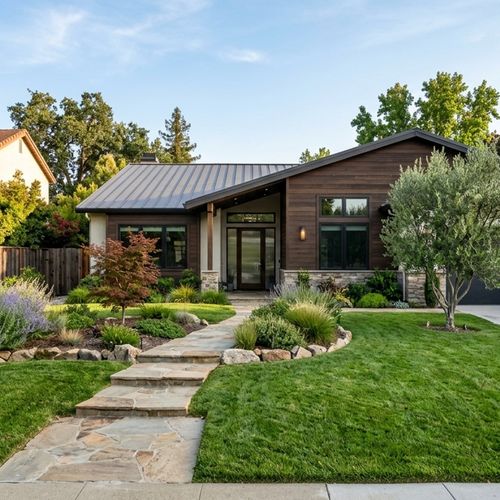


What to Expect When Selling Your House Fast in Roseville, CA
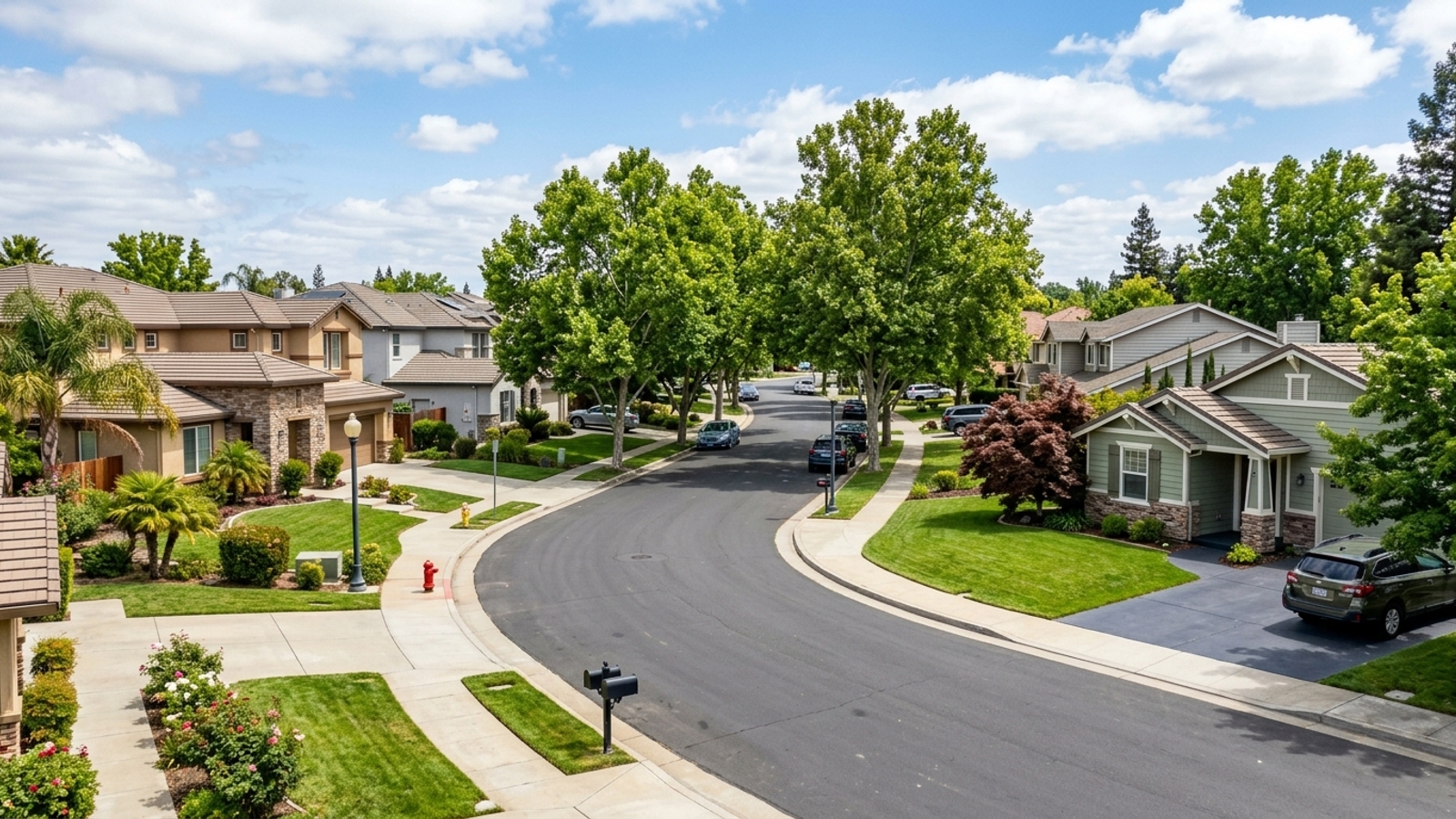
The median sale price in Roseville, CA right now sits at roughly $645,000. The broader market is holding steady for those buying a home in Roseville, CA - 23 days on market as a median - but not every seller has the luxury of waiting that out.
Listing the traditional way means staging, repairs, and then sitting on your hands while a buyer's financing either clears or doesn't. If you're up against a tight timeline or you'd rather not spend money fixing up a house you're leaving anyway, a cash sale is worth understanding before you decide anything.
Getting a Cash Offer in Roseville
Cash buyers go directly to you, no mortgage underwriting delays, no appraisal surprises, no loan falling through three days before closing. They look at your home's current condition alongside local Placer County market data, put a number in front of you, and you decide if it works.
That's the whole structure of it.
How Cash Offers Work
When you reach out to a cash home buyer, they review the basic details of your property - recent comparable sales nearby, any visible repair needs. They're not expecting you to have fixed the leaky roof or updated the kitchen. Those costs get factored into the offer instead of handed back to you as a to-do list. What you get is a clear, as-is purchase price and no contractors to manage.
Typical Closing Timelines
A traditional sale in Roseville currently takes about 23 days just to land a buyer, then another 30 to 45 days for escrow and financing to run their course. Cash cuts that down sharply. With no lender involved, buyers can often close in as little as seven to fourteen days. If you need more time to pack and move, you can pick a later date. The schedule is yours to set.
Steps to Expedite Your Home Sale
You don't need a photographer, you don't need to clear out your closets for open houses, and you don't need to do much at all to prepare. The real estate transaction moves from an initial conversation to a concrete offer without a lot of ceremony. Here's how it typically unfolds.
Requesting an Initial Evaluation
You provide the address and a basic picture of the home's condition. The buyer runs an analysis using recent comparable sales in your specific zip code to establish a baseline home value in Roseville. No commitment on your part - this first step is just information gathering.
Completing the Home Walkthrough
The buyer will schedule a brief walkthrough, either in person or virtual. They're checking the layout and confirming the condition of major systems - HVAC, plumbing, that kind of thing. Don't clean for it. Don't stage it. The evaluator isn't looking for presentation; they're confirming the structural details they need to finalize the offer.
Choosing Your Closing Date
Once you accept, title work starts immediately through a local California title company. Need to close by end of the week? Done. Want to stay another month? Also fine. The buyer works around your schedule, not the other way around.
Comparing Cash Buyers to Traditional Listings
Roseville currently has around 372 homes for sale. Traditional buyers have choices, which means standing out typically requires updated finishes and solid curb appeal. A cash sale is a different trade entirely - you're giving up the possibility of a bidding war in exchange for a guaranteed, no-drama closing.
Whether that's the right trade depends on your situation.
Selling Your Home As-Is
After a standard home inspection, retail buyers almost always come back asking for concessions. If the HVAC is aging, expect a credit request. Cash buyers don't do that. They purchase as-is, and "as-is" means as-is - you won't be asked to paint, clean, or fix a thing before you hand over the keys.
Understanding Closing Costs
In a conventional transaction, agent commissions alone run around 5% to 6% of the sale price, and that's before escrow and title fees. Many cash buyers cover all seller closing costs as part of their offer, so the number they put in front of you is the number you walk away with.
Where Cash Buyers Purchase Homes Locally
Investors are active across the entire Greater Sacramento area, and local knowledge matters to how they price different communities. It's not a one-size-fits-all evaluation - a house near the Placer County line gets looked at differently than one right in the center of town.
Popular Roseville Neighborhoods
Buyers know the large master-planned communities well. West Park in West Roseville covers about 1,500 acres of newer construction, comes with Mello-Roos taxes, and includes amenities like Village Westpark. They're equally active in older, more central areas like Diamond Oaks, which sits near the public golf course that opened in 1963 and offers a completely different housing stock and price profile.
Primary Roseville ZIP Codes
Investors cover all three primary Roseville ZIP codes - 95661, 95678, and 95747. The established homes in 95678 look nothing like the larger residential developments in 95747, and buyers price accordingly. Location and condition drive the offer, not a blanket formula.
Frequently Asked Questions
How fast can I sell my house in Roseville?
While traditional market sales take around 23 days just to find a buyer, a cash buyer can often close the transaction in as little as seven to fourteen days.
Can I sell my house as-is in Roseville, CA?
Yes. Cash buyers purchase properties in their current condition. You don't need to make repairs, paint walls, or even clean out the property before closing.
How do cash home buyers in Roseville determine their offer?
They start with current local market conditions - the median sale price is roughly $645,000 - then subtract estimated repair costs and holding costs to arrive at their number.
Are there any fees to sell my house fast in Roseville?
There are typically no agent commissions or hidden fees in a direct cash sale. Many cash buyers also cover the standard title and escrow closing costs on your behalf.
Is it better to sell to a cash buyer or list with a Roseville real estate agent?
Depends on your timeline and the home's condition. Listing might get you a higher price if the home is updated, but a cash sale gives you speed and certainty without the repair costs.
Am I obligated to accept the cash offer for my Roseville home if I request one?
No. Requesting an offer carries zero obligation. You look at the numbers and decide whether the terms work - no pressure either way.
Do you only buy houses in Roseville, or do you purchase properties in surrounding Placer County areas too?
Cash buyers operate throughout the Greater Sacramento region and routinely purchase homes across all of Placer County, not just within Roseville city limits.
Do I need to stage my property before selling?
If you choose to list on the open market, preparing your house is usually necessary to stand out among other available properties. Sellers often rely on professional home staging advice to attract retail buyers and secure a higher offer. Selling directly to an investor allows you to skip this preparation entirely.
How do I figure out the right asking price for a traditional listing?
Setting an accurate asking price requires looking closely at recent comparable sales in your specific ZIP code. Agents use various local property pricing strategies to help traditional sellers attract competitive offers. If you prefer to avoid this guesswork, a direct buyer will simply calculate a firm offer based on current market data.
Check out this article next