


The Ultimate Guide for Roseville CA: Relocating and Buying Homes in 2026
Relocating to Placer County requires a clear understanding of the local housing landscape and community infrastructure. As buyers continue to expand their search beyond the San Francisco Bay Area and other parts of California, Roseville has emerged as a premier destination within the Greater Sacramento area. The city offers a compelling blend of modern amenities, robust municipal services, and strong long-term real estate investment potential.
Navigating the local market requires up-to-date information on property values, district boundaries, and neighborhood features. This definitive guide covers everything you need to know about the 2026 real estate market, local educational data, and the cost of living.
The 2026 Roseville Real Estate Market and Home Values
The spring 2026 housing market in Roseville moves rapidly, with the median home price hovering between $625,000 and $630,000. Inventory levels maintain a tight balance, meaning properties frequently sell for 99% to 100% of the original list price when properly prepared. Buyers need to be ready to act swiftly, as well-priced homes move off the MLS in a matter of days.
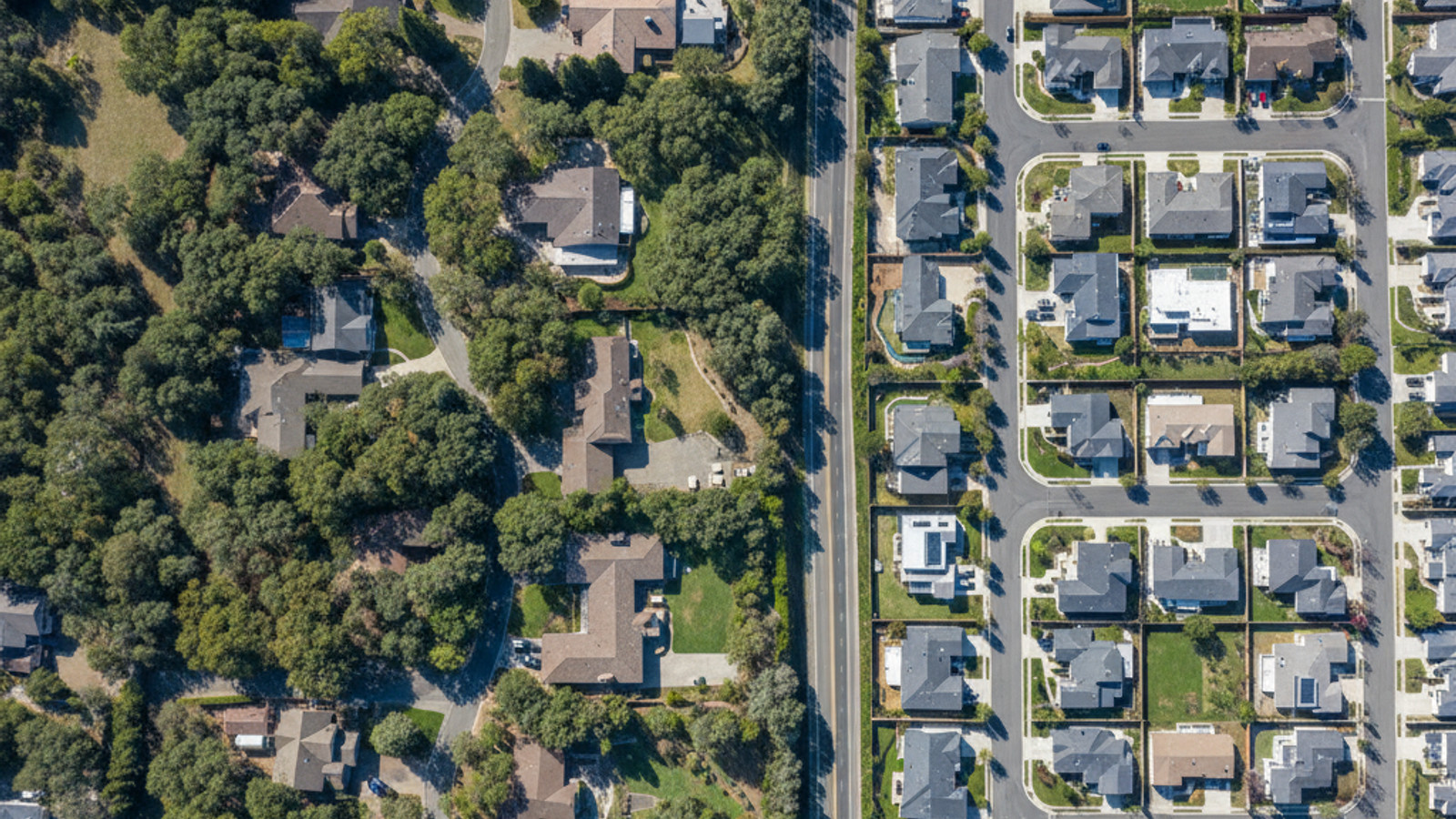
East Roseville and neighboring Granite Bay feature established neighborhoods characterized by mature oak trees and larger lot sizes. In contrast, the western parts of Roseville offer extensive master-planned communities with brand-new construction and integrated community spaces.
Purchasing a Roseville home is a historically stable long-term investment due to the city's continuous infrastructure improvements and steady buyer demand.
Property Taxes, Mello-Roos Assessments, and HOA Fees
Understanding the carrying costs of a property is essential for any buyer entering this market. The base property tax rate in Placer County is roughly 1.1% to 1.18% of the assessed value. However, many of the newer developments in West Roseville include Mello-Roos assessments, which fund local infrastructure, roads, and schools.
These special assessments can push the effective tax rate to 1.25% or higher, adding thousands of dollars annually to your carrying costs. Monthly homeowner association fees in master-planned communities typically range from $150 to over $300.
Cost of Living, Economy, and Major Employers
Evaluating the cost of living in Roseville requires looking at both regional averages and local utility advantages. While living here requires a higher budget than the national average, it remains significantly lower than coastal California and the San Francisco Bay Area. This financial balance makes the city a strategic choice for buyers seeking to maximize their purchasing power without sacrificing a high standard of living.
The local economy is anchored by robust sectors in technology, retail, and healthcare. Major employers like Sutter Health and the Sutter Roseville Medical Center provide substantial stability to the regional job market.
Another distinct financial advantage for residents is the presence of municipal utilities. Roseville Electric provides highly competitive energy rates that help offset some of the general housing costs.
Shopping Centers and the Local Dining Scene
Retail and entertainment options are abundant, drawing both residents and visitors from across Northern California. The Westfield Galleria at Roseville stands as the premier shopping mall in the region, featuring high-end retailers and extensive dining options. Just across the street, the Fountains at Roseville offers an upscale, open-air retail experience built around a central town square atmosphere.
Beyond the major shopping centers, the local culinary landscape continues to expand rapidly. Downtown Roseville features a vibrant dining scene and emerging nightlife, with many restaurants occupying revitalized historic buildings.
Navigating Commute Times and Public Transport
Transportation logistics are a primary consideration for anyone relocating to the Sacramento metropolitan area. Average drive times to downtown Sacramento typically range from 25 to 40 minutes via Interstate 80 or State Route 65, depending on traffic patterns. This proximity to Sacramento enhances the quality of life for daily commuters who want suburban space while maintaining city access.
For those seeking alternatives to driving, local public transport options are well-established. Roseville Transit operates comprehensive bus routes connecting major residential hubs, shopping centers, and medical facilities.
Certain pockets of the city, particularly around the downtown corridor, offer excellent walkability. The area's layout still reflects the historical influence of the Southern Pacific railroad, which originally put the city on the map. Today, that legacy translates into a well-connected grid that supports both vehicle traffic and pedestrian access.
Evaluating Roseville Schools and Educational Data
Education is a critical factor for many buyers evaluating property values and neighborhood longevity. Roseville operates under a dual-district model for its public education system, dividing administration between primary and secondary levels. This structure allows each district to focus specifically on the developmental needs of their respective student populations.
The Roseville City School District serves students from kindergarten through eighth grade. This district recently achieved "Green" ratings across all academic categories on the California School Dashboard, reflecting strong overall performance. For secondary education, the Roseville Joint Union High School District manages grades nine through twelve across several expansive campuses.
Access to higher education is also remarkably convenient for local residents. Sierra College is located just minutes away in neighboring Rocklin, offering extensive degree programs and transfer pathways.
Parks, Open Space, and Outdoor Recreation
The city places a massive emphasis on outdoor living, maintaining over 80 parks distributed throughout its neighborhoods. This extensive network of greenbelts and playgrounds ensures that almost every home is within walking distance of public open space. The local Mediterranean climate, featuring mild winters and dry summers, supports year-round jogging, walking, and outdoor recreation.
When residents want larger-scale recreational activities, regional attractions are highly accessible. A short drive brings you to Folsom Lake, a massive reservoir popular for boating, paddleboarding, and extensive hiking.
Miner’s Ravine Trail and Maidu Regional Park
The Miner's Ravine Trail spans over six miles of paved pathways winding through protected natural corridors. This scenic route is heavily utilized daily by cyclists, runners, and residents walking dogs away from vehicular traffic.
On the eastern side of the city, Maidu Regional Park covers 152 acres, with 54 developed acres dedicated to active use. The park features lighted sports fields, a massive skate park, and the Maidu Museum & Historic Site. Together, these facilities provide unmatched recreational depth for the community.
Frequently Asked Questions About Moving to Roseville
Is Rocklin or Roseville nicer?
Both cities offer excellent amenities, but they cater to slightly different property preferences. Rocklin features a hillier landscape and is highly sought after for its educational facilities and lower-density residential layout. Roseville provides much more robust retail options, massive master-planned walkability, and a slightly faster-paced suburban atmosphere.
What is the weather like in Roseville year-round?
The region experiences a classic Mediterranean climate with hot, dry summers and mild, wet winters. Summer temperatures routinely exceed 90 degrees, while winter days generally hover in the 50s and 60s. This predictable weather pattern allows for year-round outdoor recreation but does require budgeting for higher cooling costs in July and August.
Are there famous landmarks or historical sites in Roseville, CA?
The city has a rich railroad history that is preserved by the Roseville Historical Society in the downtown corridor. The Maidu Museum & Historic Site offers an incredible look into the indigenous history of the region. Additionally, the old town area retains much of its original early 20th-century architecture, providing a distinct historical atmosphere.
Homes for Sale in Roseville
Free market report
Want the full market report for Roseville?
We want to ensure that you have all the information needed to make the best decisions when it comes to your home goals. When you enter your info in the form you will get instant access to the area's latest market report, complete with sales and demographic trends.
Roseville
Market Report
News and Advice
Read helpful resources and articles related to the area.

Semi-Custom vs. Custom vs. Spec Homes: Which New …
Shopping for a semi-custom, custom, or spec home? Download the Made 4 More app for accurate…

How Higher Mortgage Rates Are Changing the Game …
Don’t let outdated listings or hidden fees get in the way. Download the Made 4 More…
Waiting for a Housing Crash? Here’s What the …
Wondering where home prices are headed? Stay informed with the Made 4 More app and get…
Ready to take
The next step?
Not sure if now's the right time to buy or sell? Need a reliable contractor? We would love to get to know more about you and your needs! Feel free to use any of the options here to get in contact with us!