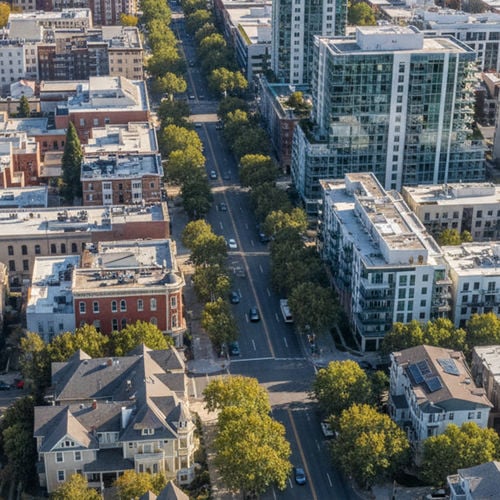


California's capital sits at the confluence of the Sacramento River and the American River, offering a distinct inland environment compared to the coastal cities. Relocators moving to Sacramento, CA find a region defined by agricultural roots, an expanding job market, and housing costs that fall below the state median. The city functions as a central hub between the San Francisco Bay Area and the Sierra Nevada mountains.
Buyers coming from out of state or other parts of California should understand the local property tax structures, commute patterns, and neighborhood pricing before writing an offer. Living in California requires careful budget planning, and the capital region presents different financial realities than coastal markets. This guide covers the baseline costs, transit routes, and employment sectors defining the city in 2026.
Daily Life and Geography in California's Capital
Sacramento is located roughly 90 miles northeast of San Francisco and about 100 miles southwest of Lake Tahoe. This placement allows residents to reach both the Pacific Ocean and high-elevation ski resorts within a two-hour drive, depending on traffic along Interstate 80. The inland location shields the city from coastal fog but results in distinct seasonal temperature shifts.
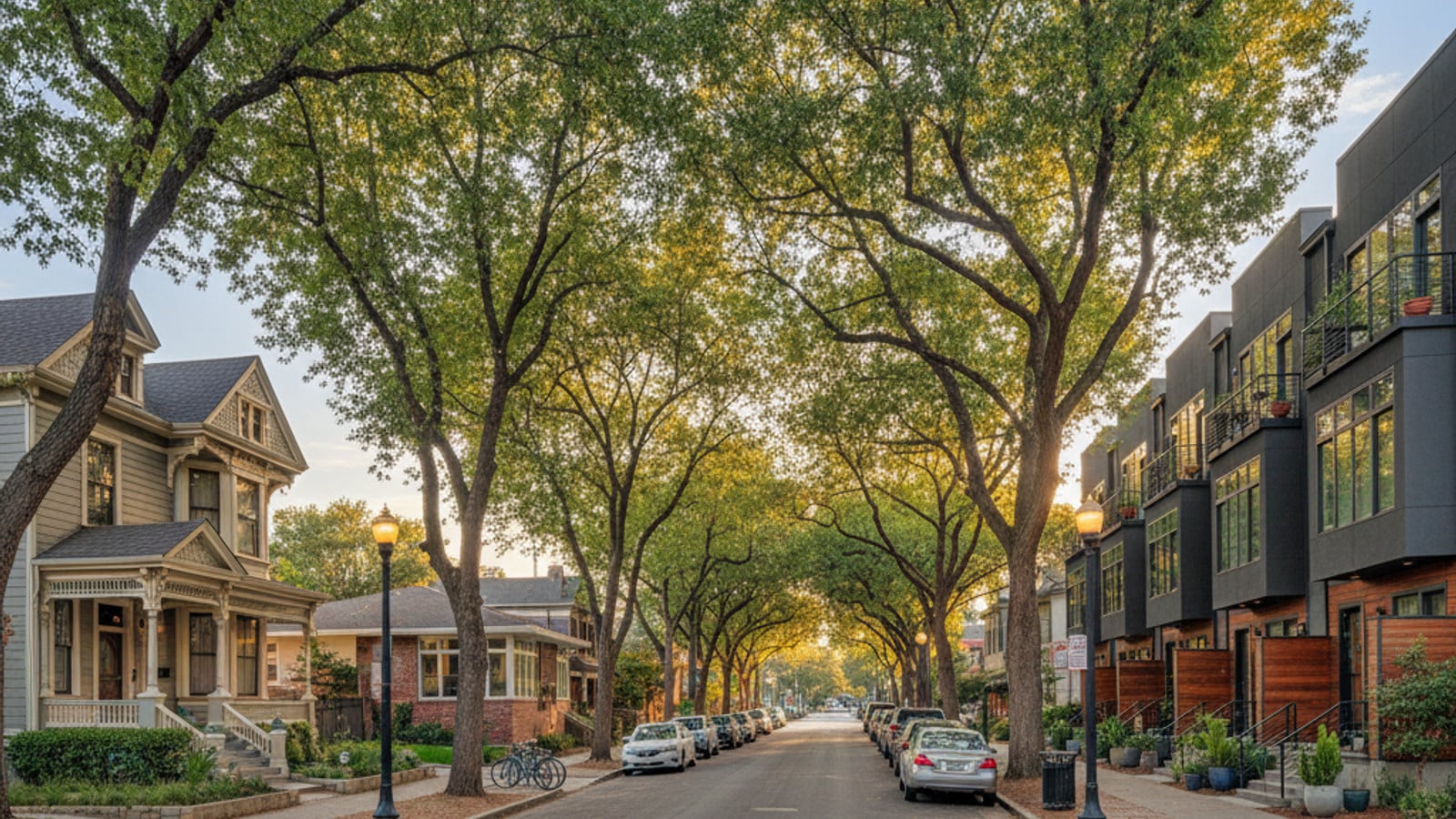
The climate features hot, dry summers and mild, wet winters. The extensive tree canopy provides necessary shade during July and August when temperatures frequently exceed 90 degrees, earning the area its long-standing "City of Trees" nickname. Residents rely on this urban forest to cool neighborhoods in Sacramento during the peak summer months.
The surrounding agricultural valleys strongly influence the local food scene and daily culture. Known as the Farm-to-Fork Capital, the city supports numerous year-round farmers' markets and restaurants that source ingredients directly from nearby growers. This agricultural network stretches from local fields all the way to the Napa Valley AVA, bringing fresh produce and regional wines into the central city.
How Sacramento Living Expenses Compare to State Averages
The cost of living in Sacramento sits about 22% to 26% above the national average. However, it remains roughly 11% cheaper than the California state average, drawing many residents from more expensive coastal markets. Buyers should calculate these baseline costs when determining their purchasing power.
Housing costs dictate the largest portion of a resident's budget, but everyday expenses like groceries and transportation align closely with regional norms. Monthly utility bills for electricity, water, and trash collection average between $336 and $446 as of early 2026. Summer electricity usage typically spikes due to sustained air conditioning demands, which buyers should factor into their seasonal budgeting.
Home Prices and Neighborhood Options
The median home prices across the city range from $550,000 to $578,000 based on May 2026 market data. Property types vary widely, from historic bungalows near the city center to newer construction in the surrounding suburban tracts. Standard California property tax rules under Proposition 13 apply to all purchases here.
This tax structure limits the annual increase in assessed property value to 2% until the property changes hands. Buyers should secure exact property tax estimates from their lender rather than relying on the previous owner's tax bill.
Midtown Real Estate
Midtown Sacramento features tree-lined streets, historic architecture, and immediate access to downtown Sacramento amenities. Median home prices in this area run higher than the citywide average, typically landing between $713,000 and $750,000.
Buyers looking here will find a mix of restored Victorian homes, mid-century properties, and newer infill townhomes. Space comes at a premium, and properties often feature smaller lot sizes and limited off-street parking.
Natomas and Suburban Options
Natomas offers newer housing developments just north of downtown, with median prices ranging from $480,000 to $525,000. This area provides larger floor plans, attached garages, and planned community layouts.
Buyers expanding their search frequently look at Elk Grove to the south or West Sacramento across the river. These areas offer distinct municipal services while maintaining close proximity to the central city.
Local Job Market and Top Employers
The State of California serves as the largest regional employer, providing tens of thousands of administrative, legal, and operational jobs. Many workers relocate to the capital specifically for roles within various state agencies and departments. This government foundation provides economic stability during broader market fluctuations.
Health care is another primary pillar of the regional economy. Major medical networks operate large hospital campuses and outpatient centers throughout the metropolitan area. The top healthcare employers include:
UC Davis Medical Center
Kaiser Permanente
Sutter Health
Dignity Health
The tech sector maintains a steady presence, driven by companies looking for alternatives to the Silicon Valley corridor. Intel operates a massive research and development campus in nearby Folsom, anchoring the technology industry in the eastern suburbs.
Getting Around the Region
The local highway system relies on three main routes: Interstate 80, US Highway 50, and Interstate 5. These corridors handle the bulk of commuter traffic moving between the residential suburbs and downtown Sacramento. Managing the morning rush hour requires understanding which of these arteries serves your specific location.
Commute times depend entirely on your starting point and travel hours. Residents living in Midtown often experience 5 to 10-minute commutes to the state capitol, while those driving from Natomas or Elk Grove typically spend 15 to 20 minutes on the highway during standard morning hours.
The Sacramento Regional Transit (SacRT) system operates a network of buses and light rail trains. The light rail connects downtown to eastern suburbs like Folsom and southern neighborhoods, offering an alternative to highway driving.
Local School Districts and Higher Education
The Sacramento City Unified School District serves as the primary public education provider for the central portions of the city. Numerous other districts, including San Juan Unified and Twin Rivers Unified, cover the surrounding suburban boundaries. Buyers should verify exact attendance zones when viewing properties, as boundary lines frequently shift.
The region hosts several prominent higher education institutions that influence the local economy and housing demand. California State University, Sacramento (Sac State) enrolls over 30,000 students along the banks of the American River. The university serves as a major pipeline for local government and private sector employment.
Just west of the city, the University of California, Davis (UC Davis) operates its main campus. The university also runs the UC Davis Medical Center in Sacramento, creating a direct link between the academic and healthcare sectors.
Recreation, Parks, and Entertainment
The American River Parkway is the centerpiece of local outdoor recreation. This 32-mile paved trail runs from Discovery Park near downtown all the way to Folsom Lake, accommodating cyclists, runners, and pedestrians year-round. The river itself draws kayakers and paddleboarders during the warm summer months.
The Golden 1 Center anchors the downtown entertainment district. This modern arena serves as the home court for the Sacramento Kings and hosts major concert tours and events throughout the year. Locals affectionately refer to the city as Sactown, especially during the basketball season.
Residents also have access to numerous cultural institutions and attractions. The Crocker Art Museum, Old Sacramento State Historic Park, and the Sacramento Zoo provide ongoing educational and historical programming for the region.
Frequently Asked Questions
Is moving to Sacramento a good idea?
Relocating here makes sense for buyers seeking California homeownership at a lower price point than the coastal metros. The city provides strong employment sectors in government and healthcare alongside a lower overall cost of living.
What is the purple light in Sacramento?
The purple light is a massive beam illuminated from the roof of the Golden 1 Center. The Sacramento Kings light the beam after every team victory, creating a visible celebration in the downtown skyline known locally as "Light the Beam."
Is Sacramento more affordable than the Bay Area?
Yes, housing costs in the capital are substantially lower than in San Francisco or San Jose. While a typical home in the Bay Area frequently exceeds $1 million, buyers in Sacramento can find properties in the $500,000 to $600,000 range.
Check out this article next