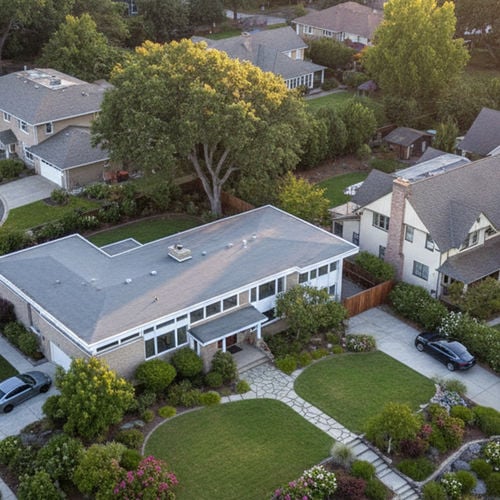


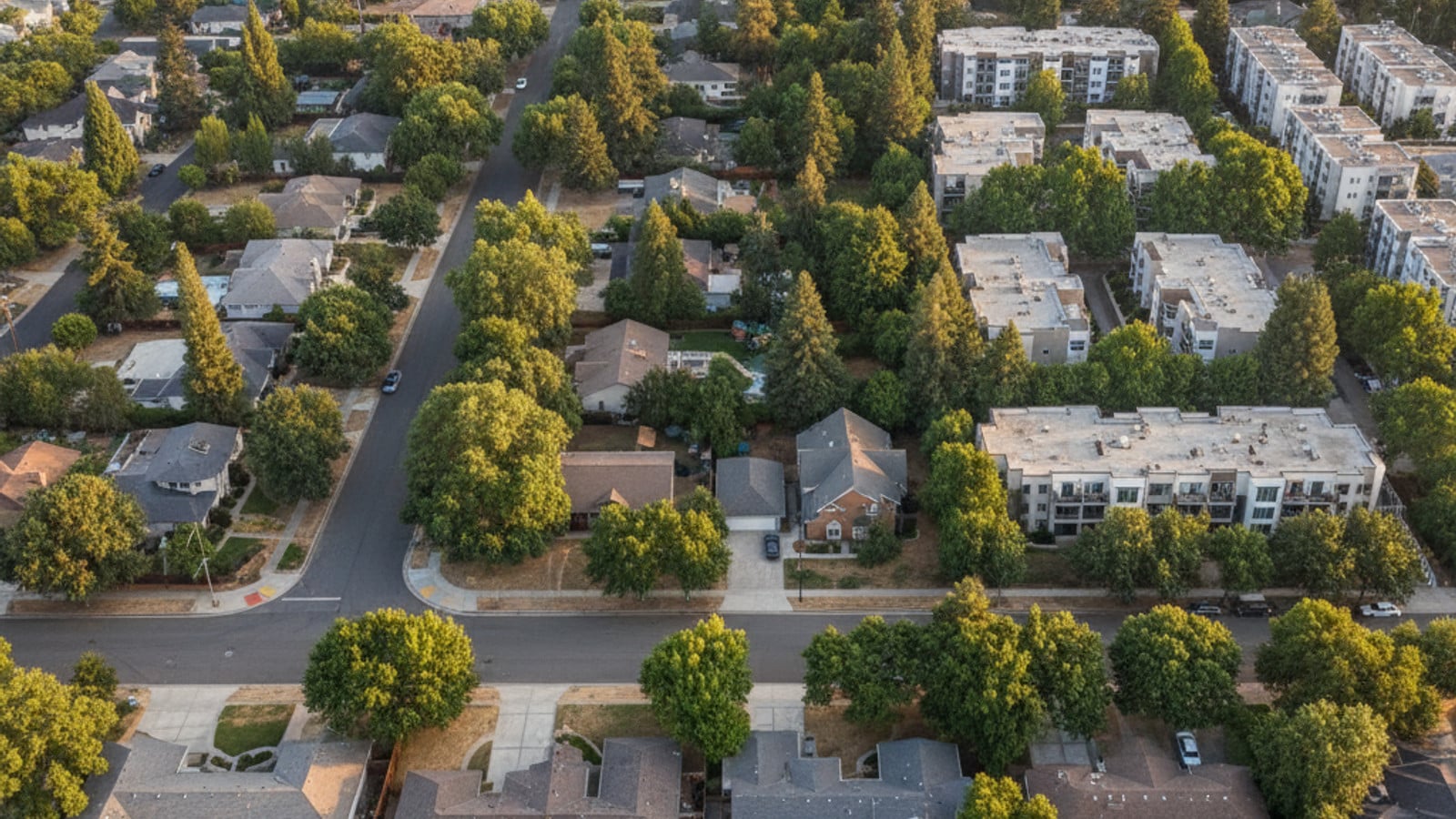
Entering the housing market requires clear strategy and an understanding of regional pricing dynamics. Purchasing property in the capital region offers access to major employment hubs and extensive outdoor recreation networks.
Navigating this landscape requires careful financial planning and a solid grasp of available local resources. Understanding current market values and assistance options provides a clear advantage when making an offer.
Securing a first mortgage loan requires understanding the current interest rate environment and how it impacts your monthly obligations. Buyers must carefully evaluate their annual percentage rate to ensure the payment remains sustainable over the life of the loan.
State of the Sacramento Real Estate Market in 2026
As of early 2026, the median entry-level home price in the region hovers between $500,000 and $515,000. Buyers will find a mix of traditional single-family homes, townhouses, and condominiums spread across the county. Condominiums often present a lower purchase price, but buyers must account for monthly HOA fees in their overall budget.
Property taxes are another crucial component of the monthly payment calculation. The median effective property tax rate in Sacramento County is approximately 1.19 percent. Factoring this specific tax rate into your monthly budget is far more accurate than relying on national averages.
Geographic location heavily dictates your final purchase price within the county. Suburbs like Elk Grove and Folsom frequently command premium prices due to local infrastructure and commercial development. Conversely, looking toward Citrus Heights or Rancho Cordova can occasionally yield more accessible entry points for standard single-family homes.
My professional view is that buyers who strictly target single-family homes under $500,000 face the steepest competition. Expanding your search to include townhomes or properties slightly further from the urban core often yields better overall value.
Location Features and Commute Times
Connectivity is a major factor when selecting a property in this region. Commuting into Downtown Sacramento typically takes 20 to 30 minutes from suburbs like Citrus Heights or Elk Grove, depending on traffic. Those needing access to the San Francisco Bay Area can expect a much longer drive, often exceeding two hours during peak times.
Major thoroughfares like I-80 and Highway 50 serve as the primary arteries connecting these suburban areas to the urban core. For a hands-free commute, the Sacramento Regional Transit light rail system offers an efficient alternative. Utilizing the SacRT network can significantly reduce daily driving stress for downtown workers.
Travel logistics change significantly depending on your chosen municipality. Commuting from outlying areas like Galt or Isleton provides a quieter rural environment but demands a much longer daily transit time. Buyers must balance their desire for acreage against the reality of daily highway congestion.
Proximity to Local Amenities and Infrastructure
Access to public infrastructure heavily influences property values across the region. The American River Parkway provides miles of paved trails for cycling and running right through the heart of the county. Meanwhile, the Golden 1 Center anchors the downtown entertainment district, offering major sporting events and concerts.
Healthcare access is robust, with facilities like the UC Davis Medical Center providing extensive medical services. School district boundaries also play a significant role in neighborhood selection. Buyers frequently target specific boundaries within the Sacramento City Unified and San Juan Unified districts when evaluating long-term property investments.
Step-by-Step Guide to Buying Your First Home in Sacramento
The path to homeownership requires a systematic approach to financing and property selection. Attempting to view homes before securing your financial foundation often leads to missed opportunities. Sellers in the current market expect buyers to present fully vetted financial credentials alongside their initial offers.
Connecting with a local loan officer who understands the 916 area code is your most important initial step. A local lender will review your credit score and verify your income limits for various regional programs. Getting pre-approved sets a firm budget ceiling and dictates which neighborhoods align with your purchasing power.
Avoiding complex loan structures is crucial for long-term financial stability. First-time buyers should generally prioritize a standard 30-year fixed mortgage over riskier financial products. Avoiding a balloon payment mortgage or loans that allow negative amortization protects you from sudden payment shocks down the road.
I always advise buyers to complete a certified homebuyer education and counseling course before even looking at listings. These courses are mandatory for most local assistance programs and provide crucial context for the closing process.
Obtain pre-approval: Work with an approved lender to determine your exact purchasing power and secure a mortgage loan commitment.
Identify target boundaries: Map out specific zip codes within Sacramento County that align with your commute needs and price point.
Submit a competitive offer: Work closely with your real estate agent to negotiate purchase price and potential seller credits for closing costs.
Navigate the escrow timeline: Complete property inspections, finalize your 30-year fixed loan terms, and prepare your final funds for closing.
Sacramento Down Payment Assistance Programs for 2026
Securing the initial capital for a purchase is often the highest hurdle for new buyers. Fortunately, state and local assistance programs can significantly lower this barrier to entry. These programs are specifically designed to help cover down payments and essential closing costs.
The state offers several robust options, including the CalHFA MyHome Assistance Program, which provides a deferred loan to help with initial costs. Another powerful tool is the GSFA Platinum program, which actually offers forgivable assistance that does not need to be repaid if certain conditions are met. Utilizing these tools can transform an impossible purchase into a manageable monthly payment.
Understanding how these assistance programs function legally is just as important as securing the funds. Most assistance programs place a secondary lien on your property, establishing a formal creditor and debtor relationship. You must understand the subordination rules if you ever plan to execute a refinance in the future.
My strongest recommendation is to apply for these programs as early in the year as possible. Funding pools deplete quickly, and working with approved lenders who specialize in California Department of Housing programs ensures your application moves without delay.
California Dream For All Shared Appreciation Loan
This highly publicized state program provides up to 20 percent of the purchase price, capped at $150,000, for down payment or closing costs. In exchange, the state shares in the appreciation of the home's value upon future sale or refinancing. It is a powerful tool for buyers who meet the strict eligibility requirements.
The 2026 application portal for this specific program officially closed in March 2026. However, prospective buyers should complete their required education courses now to prepare for subsequent rounds or future waitlist openings. Keep in mind that at least one borrower must be a first-generation homebuyer, and all applicants must be first-time buyers.
The financial mechanics of the Dream For All program require careful long-term planning. Because the state takes a share of the appreciation, your future equity growth will be lower than with a traditional purchase. Buyers should consult with a tax professional to understand how this unique structure interacts with any potential homeowner tax credit.
Local Sacramento County Programs
Beyond state-level funding, the city and county offer geographically restricted grants for local residents. NeighborWorks Sacramento provides options like the Middle-Income Downpayment Grant, which offers up to $50,000. This specific grant requires a minimum $10,000 borrower contribution toward the transaction.
The Sacramento Housing and Redevelopment Agency also manages resources through the CalHome program. These local programs maintain strict area median income limits established by federal guidelines. Buyers must purchase within specific county boundaries to utilize these targeted community development funds.
Boundary distinctions play a critical role in determining your eligibility for these local funds. The City of Sacramento operates distinct programs from the broader City and County of Sacramento jurisdictions. Your housing counseling agency can provide maps detailing exactly where specific community development funds can be deployed.
Frequently Asked Questions
Is California giving away $150,000 for first-time home buyers?
The state provides up to $150,000 through the Dream For All program, but it is a shared appreciation loan, not a traditional grant. When you eventually sell the property, you must repay the original loan amount plus a percentage of the home's increased value. The 2026 funding cycle for this specific program closed in March.
How much do you need for a down payment on a house in Sacramento?
For a median-priced $500,000 home in the region, a traditional 20 percent down payment equals $100,000. However, many buyers utilize FHA loans requiring just 3.5 percent down, which drops the initial requirement to approximately $17,500. Local assistance programs can often cover a significant portion of these upfront costs.
How do you qualify for first-time home buyer programs in California?
Qualification generally requires meeting strict income limits based on the county where you plan to purchase. Borrowers must also complete a certified homebuyer education course and use a state-approved mortgage lender. Certain specialized programs additionally require the applicant to be a first-generation homebuyer.
What is the first-time home buyer program in Sacramento CA?
There is no single program, but rather a combination of state and local resources available to regional buyers. Residents typically utilize state options like CalHFA alongside county-specific funds from the Sacramento Housing and Redevelopment Agency. Your loan officer will layer these different programs to maximize your financial assistance.
Check out this article next