

Evaluating the Cost of Living in Sacramento, CA involves comparing local expenses to the rest of the state. Sacramento sits roughly 24% above the national average for living expenses, but it remains one of the more attainable major metro areas in California. Relocating buyers often find that the capital region costs about 14% less than the state average.
A household with two working adults generally needs a combined annual income of around $95,000 to $110,000 to cover basics and save for the future. The MIT Living Wage Calculator sets a baseline, but actual spending will vary based on your housing choices and commute. Comparing these numbers to coastal cities reveals why the Sacramento-Roseville-Folsom metro area continues to draw new residents.
Real Estate and Rent Prices Across the Capital Region
The median home price in Sacramento County sits between $546,000 and $580,000 as of May 2026. This puts local housing options about 38% above the U.S. national average, though still well below markets like San Francisco or San Jose. Buyers looking at a new construction home in suburbs like Rocklin or El Dorado Hills should expect starting prices closer to $650,000.
Renters face an average monthly cost of $1,600 to $1,900 for a standard apartment or single-family home. These rates depend largely on proximity to downtown and local amenities. Property taxes and HOA fees also impact the monthly budget for buyers, adding several hundred dollars to a typical mortgage payment.
Neighborhood Variations and New Construction
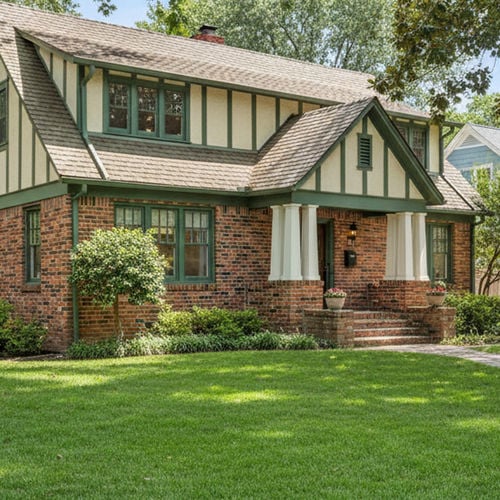
East Sacramento and Midtown command premium prices due to their historic architecture and proximity to major employment centers. Buyers looking for more square footage often expand their search to Natomas, which offers newer developments and faster access to the airport.
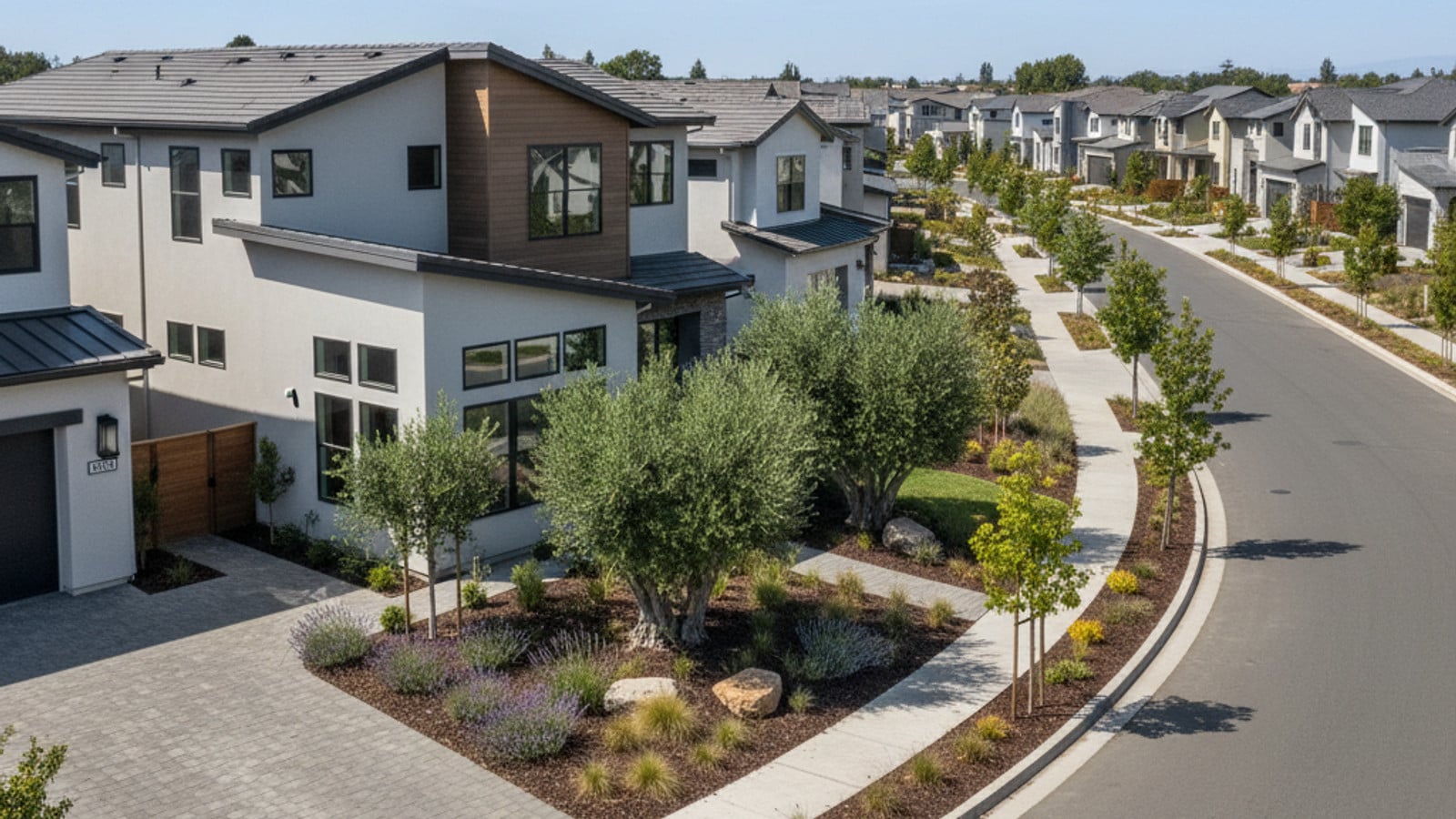
Master-planned communities in neighboring Roseville and Folsom provide additional housing options. These areas feature extensive trail networks and newer commercial centers, though they come with higher property taxes and special assessments.
Monthly Expenses for Utilities and Groceries
Local utility bills average between $250 and $450 per month for a standard household. This puts Sacramento's energy, water, and gas costs around 63% higher than the national average. The region's hot summers drive up electricity usage, making air conditioning a primary factor in your monthly budget.
Food expenses align more closely with the rest of the country, sitting just 5% above the U.S. average. A single adult spends roughly $350 to $400 a month on groceries, while a family of four can expect bills closer to $1,200. Taking a break from cooking to dine at a mid-range restaurant in downtown Sacramento costs about $65 to $85 for two people.
When planning your budget, you should account for these recurring costs alongside your housing payment. Here is a breakdown of typical monthly household necessities:
Electricity and gas: $150 to $250 (peaking in July and August)
Water, sewer, and trash: $100 to $150
Internet and phone: $120 to $160
Basic groceries for two adults: $700 to $800
Commuting Costs and Transit Options
Drivers in the Sacramento area face an average commute time of 24 to 28 minutes. Interstate 5 and Highway 50 serve as the primary arteries connecting downtown to eastern suburbs like Rancho Cordova and El Dorado Hills. A gallon of gas in California consistently runs higher than the national average, often hovering around $4.80 to $5.20 in 2026.
Public transportation offers a cheaper alternative for daily travel. The Sacramento Regional Transit (SacRT) system operates buses and light rail lines throughout the metro area. A single SacRT ticket costs $2.50, while a monthly transit pass runs $100, providing unlimited rides for regular commuters.
Many residents balance their transportation expenses by utilizing hybrid work schedules. Commuting from outlying areas like Roseville requires factoring in both fuel costs and potential traffic delays during peak morning and evening hours.
Medical Care, Childcare, and Local Infrastructure
Health care costs in the capital region run approximately 6% above the national average. A standard doctor's visit without specialized insurance coverage typically costs around $130 to $150. The area features several major hospital networks, including UC Davis Health and Sutter Health, providing extensive medical services to residents.
Full-time childcare or preschool averages $1,200 to $1,500 per month for one child. Parents often factor these expenses into their annual income requirements when evaluating the local living wage calculator. The Sacramento City Unified School District serves a large portion of the city, offering various specialized academic programs.
The city maintains extensive public infrastructure, highlighted by the 23-mile American River Parkway. This network of trails and parks provides free or low-cost outdoor recreation, helping residents balance the higher costs of housing and utilities with accessible local amenities.
Frequently Asked Questions
What salary do you need to live comfortably in Sacramento?
A single adult needs an annual income of roughly $75,000 to cover all basic living expenses and maintain a modest savings rate. For a household with two working adults and one child, that target shifts closer to $135,000. These figures account for the area's higher utility rates and housing costs compared to the national baseline.
Is $80,000 a good salary in Sacramento, CA?
An $80,000 salary provides a solid foundation for a single renter living in the metro area. It leaves enough room in the budget for a $1,800 apartment, standard car payments, and occasional dining out. Buyers looking to purchase a $550,000 home will likely need a dual-income household if one partner earns this amount.
Which Sacramento neighborhoods have the lowest cost of living?
Areas in South Sacramento and parts of North Highlands generally offer more affordable housing options than the city center. Renters can often find apartments in these districts for under $1,500 a month. Buyers exploring these zip codes will see median home prices closer to $400,000, offering a lower barrier to entry.
Check out this article next