


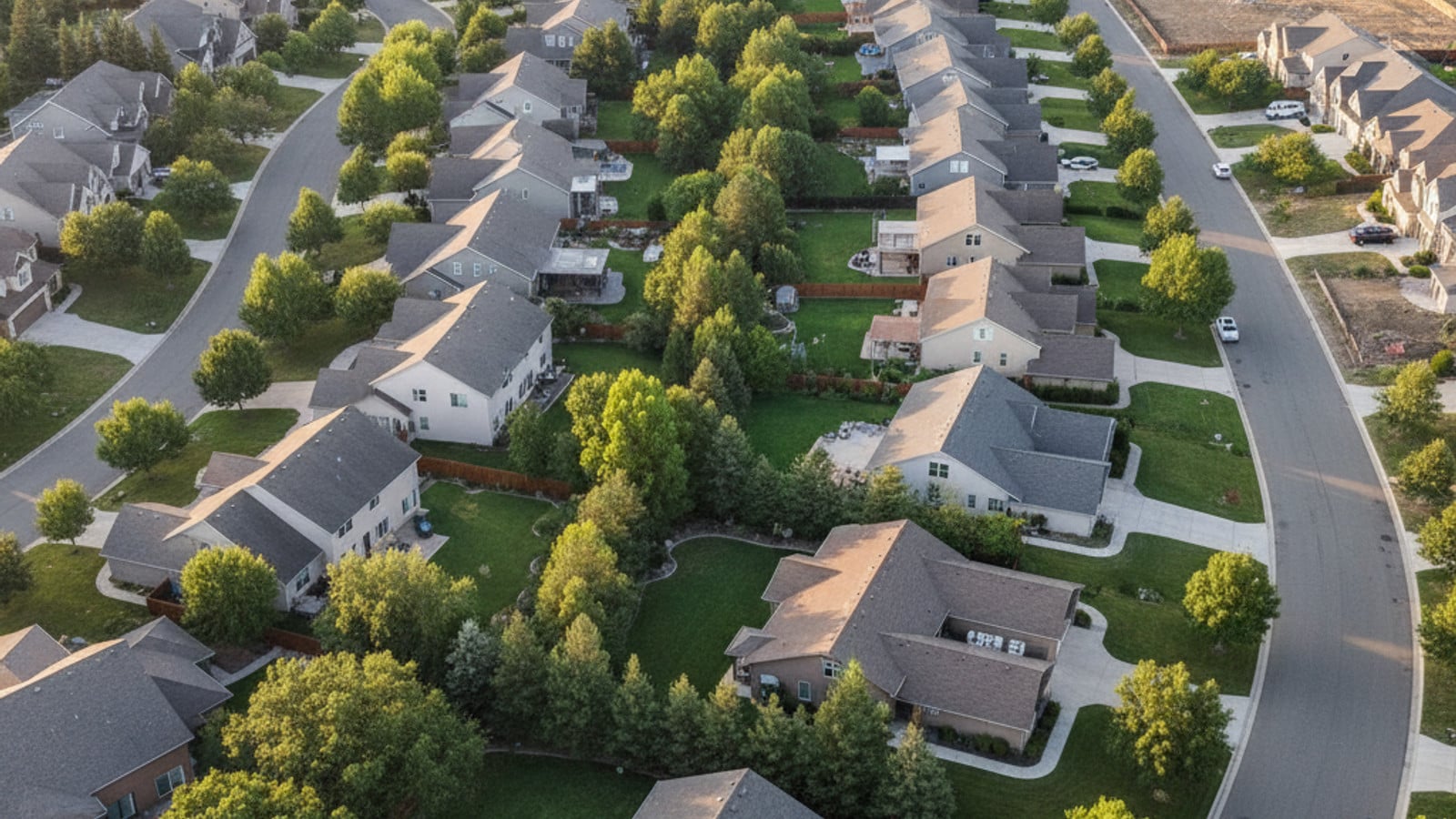
The City of Rocklin sits about 22 miles northeast of Downtown Sacramento along the Interstate 80 corridor. Buyers moving to this part of Placer County often work in the state capital or nearby tech hubs. This makes daily travel logistics a major factor during the home search process.
Commuters from Rocklin, CA typically choose between highway driving, commuter bus routes, or regional rail lines. The region offers multiple ways to travel, but each comes with its own timeline and financial cost. The specific time spent in transit dictates which local neighborhoods make the most sense for a daily routine.
Placer County has seen steady housing development over the past decade, bringing more residents to the local roadways. In 2026, understanding regional traffic patterns is a necessary step before choosing a property. Buyers should look closely at proximity to on-ramps and transit centers when touring homes.
Rocklin provides a suburban environment with larger lot sizes than many neighborhoods closer to the urban core. Homebuyers weigh these property features against the daily distance they need to travel. Finding the right balance requires reviewing the local transportation map.
Highway Routes and Daily Travel Patterns
Interstate 80 and State Route 65 are the primary arteries carrying thousands of Placer County residents to work each morning. Rocklin's location places it right at the intersection of these two major highways. Drivers heading south toward Sacramento rely entirely on I-80, while those commuting to Lincoln or western Roseville use SR-65.
The interchange where these two freeways meet is the busiest traffic hub in the immediate area. Traffic flow moves in a clear directional pattern throughout the standard workweek. Southbound lanes back up during the morning rush hour, and northbound lanes slow down in the evening as workers return home.
Carpool lanes exist on portions of I-80, offering a slight speed advantage for those who rideshare. Once drivers reach Sacramento County, the interstate splits into two distinct paths. Commuters heading to the state capitol buildings take Business 80, while those heading to Natomas stay on the main interstate.
Buyers should test these routes during their typical commuting hours before putting an offer on a house. Mapping apps provide decent estimates, but driving the route yourself reveals the exact merge points and bottlenecks. Experiencing the drive firsthand is the best way to gauge the daily routine.
Average Drive Times to Sacramento, Roseville, and Folsom
The drive from Rocklin to Downtown Sacramento covers approximately 22 miles and takes about 30 minutes with clear roads. During peak morning and evening hours, that same trip down I-80 stretches to 45 minutes or even an hour, depending on traffic. Accidents or roadwork near the Madison Avenue interchange can add further delays to these travel times.
Commuting to Roseville is much faster and rarely exceeds 10 to 15 minutes. Drivers can take I-80 for a quick freeway jump or use local roads like Pacific Street to bypass highway traffic entirely. This short distance makes Roseville a very common employment destination for Rocklin residents.
Folsom sits southeast of Rocklin, and the drive there looks different than the highway commute. Getting there takes an average of 18 to 25 minutes via Sierra College Boulevard or Auburn Folsom Road. This route avoids the main freeways altogether, taking drivers through residential and semi-rural sections of Placer County.
The distance to Folsom is relatively short on a map, but the lack of a direct freeway connection changes the driving experience. Commuters travel over the American River via Folsom Lake Crossing or Hazel Avenue. These surface streets have lower speed limits and multiple traffic signals, which keeps travel times steady regardless of the time of day.
Train and Bus Service in the City of Rocklin
The Rocklin train station is located on Rocklin Road, right in the historic downtown district. Homebuyers who prefer not to drive have access to a network that connects Placer County to the broader Sacramento Regional Transit District. You can buy a ticket for local routes or regional rail lines that bypass highway congestion entirely.
The Placer County Transit agency manages the local network, while state partnerships operate the larger rail systems. Public transport offers a hands-free alternative for professionals heading into the city. Here are the primary options for residents:
Amtrak Capitol Corridor: This rail service picks up passengers at the downtown station and offers a roughly 50-minute trip to the Sacramento station. It provides a comfortable ride with Wi-Fi, power outlets, and space for baggage.
Placer Commuter Express: Also known as Route 60, this commuter bus service runs Monday through Friday during peak hours. The bus takes riders directly into downtown Sacramento without the stress of highway driving.
Local Bus Routes: Route 20 operates between Rocklin, Sierra College, and the Roseville Galleria. This transit bus provides reliable access for shorter trips around the immediate commercial centers.
Reaching Folsom using public transportation takes more effort than driving. Passengers must take a bus into Sacramento and transfer to the SacRT light rail Gold Line. This indirect route extends the total travel time to around two hours, making it less practical for daily commuters.
Managing the Commute with Park-and-Ride Facilities
Placer County maintains several designated park-and-ride lots where commuters can leave their vehicles for the day. These lots serve as primary pickup points for the local bus service and private carpools. Leaving a car at one of these locations allows workers to split driving duties or jump on a commuter bus for the longest leg of the trip.
The lots near the I-80 interchanges fill up early on Tuesday through Thursday mornings. Commuters should download the regional transit app to manage their daily schedules. The app provides a live map of bus locations, alerts for route delays, and options to purchase a digital ticket before boarding.
Tracking travel times through a smartphone map is a daily habit for local drivers. Checking the route 15 minutes before departure helps drivers decide whether to take I-80 or use local backroads. This small step is often the best way to get ahead of unexpected highway closures.
Finding Homes Near Transit Stops and Freeways
Homes located within a mile of the I-80 and SR-65 interchanges often command attention from buyers who commute five days a week. Buyers prioritizing a fast drive often target single-family homes and townhomes in neighborhoods like Stanford Ranch or Whitney Oaks. These areas provide multiple access points to the highway, cutting down the time spent waiting at local traffic lights.
Proximity to the freeway entrance can shave ten minutes off the daily drive. Those who plan to use the train or bus service often look closer to the historic downtown area. Living within walking or biking distance of the train station eliminates the need to find daily parking.
Older, established neighborhoods surround this central transit hub. Buyers should factor these transportation conveniences into their property search. Homes that offer a short distance to a commuter bus stop or a direct route to the highway consistently hold strong value.
Frequently Asked Questions
What is the closest major city to Rocklin, CA?
Sacramento is the closest major metropolitan center, located about 22 miles southwest of Rocklin. Roseville borders Rocklin directly to the south and serves as the primary commercial and retail hub for this section of Placer County. Both cities provide major employment opportunities for local residents.
Is I-80 traffic bad in the mornings?
Southbound I-80 routinely backs up between 7:00 AM and 9:00 AM as commuters head toward Sacramento. A trip that takes 30 minutes on a Sunday can easily take 45 to 60 minutes on a Tuesday morning. Drivers should always check live traffic updates before merging onto the interstate.
How can I find public transportation routes and schedules in Rocklin?
Riders can download the official Placer County Transit app to track buses in real time and view current route maps. The Amtrak website also provides updated departure times and ticket pricing for the Capitol Corridor trains. Physical schedules are available at the downtown train station and major bus stops.
Check out this article next