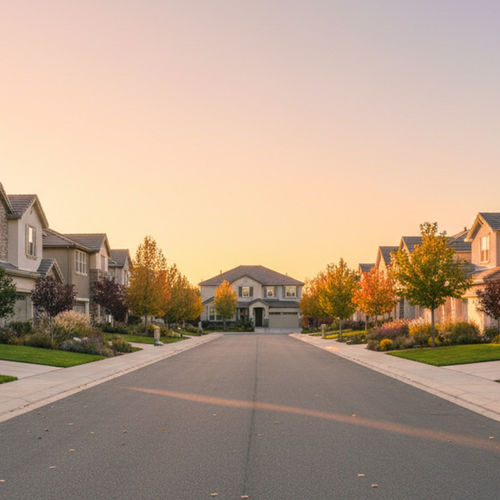


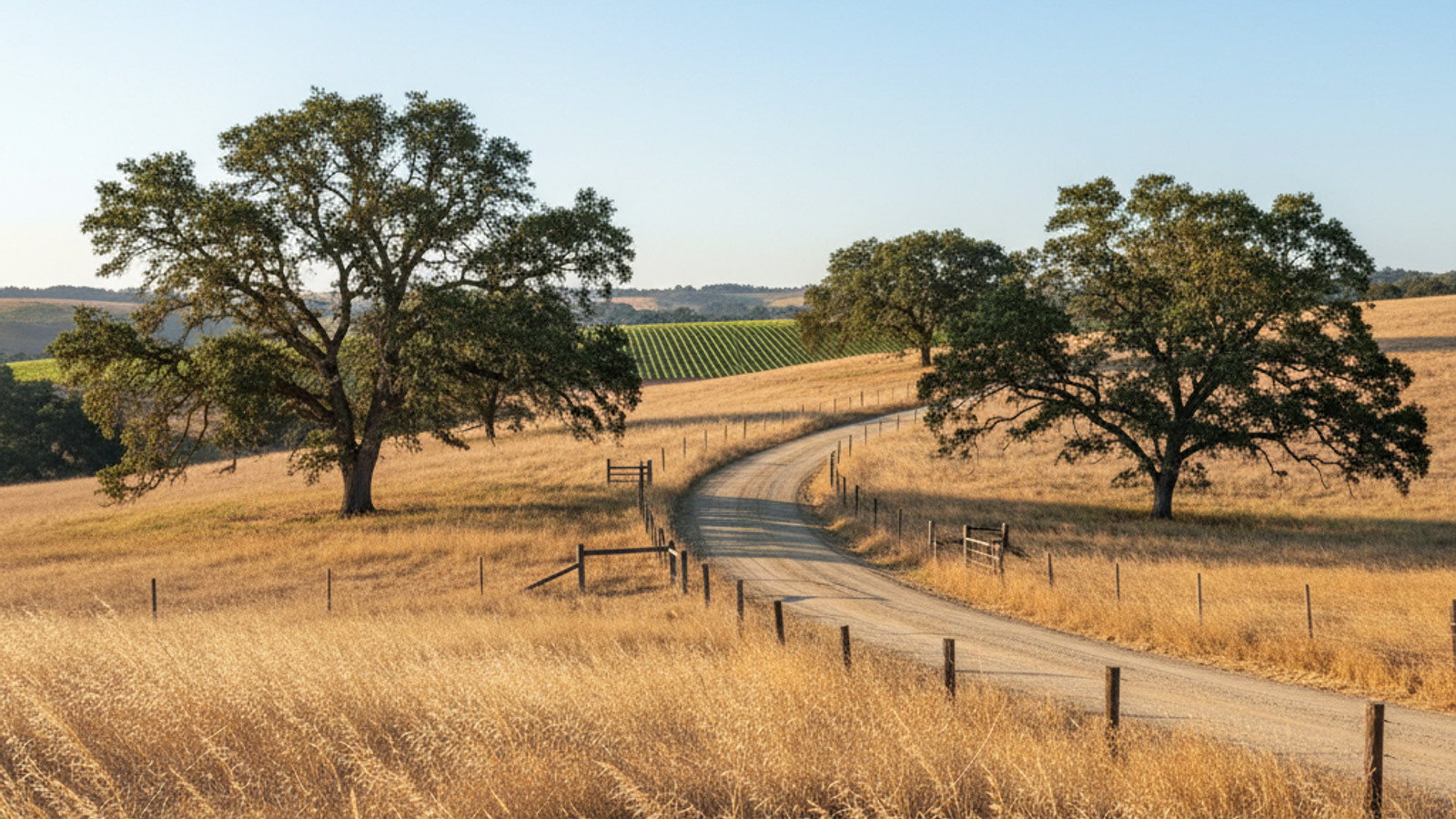
There is a specific allure to Lincoln that you just don’t get in Roseville or Rocklin. Whether you are eyeing the rolling hills near the wineries or the manicured luxury of a gated community, building here offers a blend of rural privacy and high-end amenities that is hard to match. With resale inventory remaining tight—especially if you have very specific requirements for a luxury estate or a multi-generational property—building from the ground up is becoming a more attractive path for many buyers.
However, starting this journey requires a clear understanding of the local landscape. One of the first things I tell clients is that a "Lincoln, CA" address on a map doesn't always mean you are dealing with the City of Lincoln. There is a massive difference between building within the city limits versus building in Unincorporated Placer County. While your mail still says Lincoln, the rules, fees, and permitting processes are completely different.
Let's walk through what the landscape looks like right now if you are planning to build your own home in Lincoln.
Where to Build: Top Neighborhoods & Rural Acreage
When we look for land in this area, we are usually looking at three distinct categories. Your choice here dictates not just your lifestyle, but your entire construction budget and utility setup.
Luxury Gated Communities If you want the custom home experience with full infrastructure already in place, you are likely looking at Catta Verdera or Sierra De Montserrat. Catta Verdera offers incredible golf course views and a resort feel, with lots typically ranging from $400,000 to over $700,000. Sierra De Montserrat is distinct for its vineyard setting and larger estate lots, offering a bit more space between neighbors while maintaining that high-end community structure.
Rural Acreage (The Outskirts) For those craving true privacy, we look to the outskirts. Areas like Garden Bar, McCourtney, and Kilaga Springs are where you find 5 to 10-acre parcels. This is where you go if you want a massive shop, horses, or just silence. These parcels often range from $200,000 to $500,000, but the lower price tag usually comes with a catch: you are responsible for bringing in all your own infrastructure.
In-Town Infill Occasionally, we see opportunities to buy older, dilapidated lots in downtown Lincoln to teardown and rebuild. This is rare and comes with its own set of historic considerations, but it is an option for those who want to be walkable to the downtown district.
Cost to Build a House in Lincoln, CA (2026 Breakdown)
Let’s talk numbers. I often hear national averages thrown around, but those don't apply to Placer County. If you are building a custom home here in 2026, you need to budget realistically to avoid stalling halfway through the project.
Land Costs As mentioned above, the dirt itself is your first major expense. You might spend $250,000 for a rural plot or upwards of $700,000 for a prime view lot in a gated community.
Site Prep: The Hidden Cost This is where budgets often break. If you are building in a community like Catta Verdera, your utilities are at the street. If you are building on rural acreage, you are starting from scratch. You need to budget for grading, well drilling, septic system installation, and running power from the nearest PG&E pole. On a difficult rural site, site prep alone can easily run $50,000 to $100,000 before you pour a single yard of concrete.
Hard Construction Costs For a true custom home with high-end finishes (which is standard for this market), you are looking at hard costs ranging from $250 to $450+ per square foot. This covers the foundation, framing, roofing, and interior finishes. The wide range depends entirely on your taste—marble vs. quartz, custom cabinetry vs. semi-custom, and smart home technology.
Soft Costs These are the fees you pay before you break ground: architectural plans, structural engineering, and the big one—permits. In Lincoln, you should budget roughly $60,000 to $90,000 for soft costs. A significant portion of this goes toward the Public Facilities Element (PFE) fees if you are in the city limits, which we will discuss next.
Navigating Permits: City of Lincoln vs. Placer County
This is the most confusing part of the process for new landowners. Who you pay and what rules you follow depends entirely on jurisdiction.
If your lot is within the City of Lincoln, you will be dealing with the city building department. The city has strict PFE fees, which fund local infrastructure like roads and sewers. If you are in a gated community, you will also face restrictions from the HOA to ensure your home fits the neighborhood aesthetic. You will almost certainly be required to connect to city water and sewer.
If your lot is in Unincorporated Placer County, your permitting is handled at the county seat in Auburn. The fee structure is different here; instead of city PFE fees, you might see traffic mitigation fees. The county generally offers more flexibility regarding wells and septic systems, which is essential for those rural builds.
Regardless of where you build, some fees are universal. You will need to pay school impact fees to the Western Placer Unified School District. Additionally, almost all new construction in California now requires fire sprinklers, and you will likely encounter the Placer County "Affordable Housing Fee," which was adjusted to roughly $2.73 per square foot as of July last year. You will also contribute to the SPRTA (South Placer Regional Transportation Authority) to help fund regional road improvements.
The Custom Home Building Timeline
Patience is your best asset when building a custom home. From the day you sign papers on the land to the day you move in, you should expect a timeline of 18 to 24 months. Here is how that time is usually spent.
Phase 1: Pre-Construction (3-6 Months) This is the planning phase. You are conducting land feasibility studies, working with your architect on the design, and getting your engineering plans stamped.
Phase 2: Permitting (3-5 Months) Once plans are submitted, they go into "plan check" with either the City or the County. This process can be slow. Corrections are common, and you may go back and forth a few times before getting the green light.
Phase 3: Construction (10-14 Months) This is the exciting part. It starts with site grading and foundation work. One specific note for our area: winter rains between November and March can severely delay foundation and trenching work. If you miss the window before the mud sets in, your project might sit idle for weeks.
Adding an ADU (Accessory Dwelling Unit)
We are seeing a massive surge in interest regarding Accessory Dwelling Units, or ADUs. These are perfect for multi-generational living or simply having a guest house.
Thanks to California state laws, permitting an ADU has become much more streamlined. If you are on rural property, these are fantastic for housing aging parents or adult children while maintaining privacy. Financially, they make sense too; impact fees are often waived for ADUs under 750 square feet. While some people opt for stick-built custom units, others are looking at modular options like Boxabl to speed up the process.
Choosing the Right Custom Home Builder in Lincoln
Your choice of builder is the single most important decision you will make. You need someone who understands the specific terrain of Placer County.
We have granite soil and rocky slopes here that can complicate excavation. A builder from the valley floor who isn't used to our terrain might underbid the site prep, leading to expensive change orders later. You want a builder who has established relationships with both the Lincoln and Placer County building departments so they can navigate the red tape efficiently.
When interviewing builders, ask for transparency in their pricing model—whether they work on a Fixed Bid or Cost Plus basis. Finally, don't just look at photos. Ask to tour a home they have completed recently in Catta Verdera or the rural outskirts to see the quality of their finish work firsthand.
Frequently Asked Questions
How much does the City of Lincoln charge for building permits?
Permit costs vary significantly based on the valuation of the home and its square footage. However, beyond standard permit fees, you must account for the Public Facilities Element (PFE) fees and school fees, which can push total soft costs into the $60,000 to $90,000 range for a standard custom home.
Can I build a manufactured home in Lincoln, CA?
Yes, but zoning is the deciding factor. Manufactured homes are generally allowed on rural land in Unincorporated Placer County on a permanent foundation. However, most luxury HOAs and master-planned communities within the City limits, such as Catta Verdera, prohibit them in their CC&Rs.
How long does it take to build a custom home in Placer County?
You should realistically plan for 18 to 24 months from design to completion. Factors like the complexity of the design, the speed of the permitting office, and seasonal weather delays during the wet winter months all play a major role in the final timeline.
What is the difference between custom and semi-custom homes?
A true custom home is designed from scratch with zero restrictions on floor plan or finishes, offering total personalization but a higher price tag. Semi-custom homes, like those often found in developments around Twelve Bridges, start with a builder's existing floor plan that allows for limited modifications, offering a faster build time and lower cost.
Check out this article next