

The median home price in Rocklin, CA sits around $710,000 as of May 2026. Buyers spending that kind of money want to know exactly what everyday life feels like throughout the year. The local environment plays a massive role in how you will use your house, what your utility bills will look like, and when you can comfortably spend time outdoors.
Placer County experiences a Mediterranean climate with distinct, predictable seasons. You get long, dry summers with plenty of heat and shorter, wet winters that bring the majority of the area's precipitation. Understanding the weather and climate in Rocklin, CA helps you choose the right property features and settle into the local rhythm.
The Year-Round Temperature and Rain Patterns
Rocklin sees an average of 255 sunny days per year, well above the national average. July is typically the hottest month, pushing average high temperatures into the mid-90s. The heat is dry, which makes the daytime highs feel less oppressive than in regions with high humidity.
The temperature drops considerably during the winter months. December and January are the coldest times of the year, with average low temperatures falling into the upper 30s. Frost is common on winter mornings, but daytime highs usually recover into the 50s.
Rainfall follows a predictable seasonal pattern, with almost all precipitation occurring between November and April. January is often the wettest month, contributing to the city's 21 to 26 inches of annual rain. Cloud cover increases during these wet months, while the summer atmosphere remains almost entirely clear.
What to Look for in a Property
The local temperature swings dictate which features matter most in a house. Buyers looking at properties in Rocklin, CA should pay close attention to cooling systems and outdoor shade. The hot, dry summers turn certain amenities from luxuries into daily necessities.
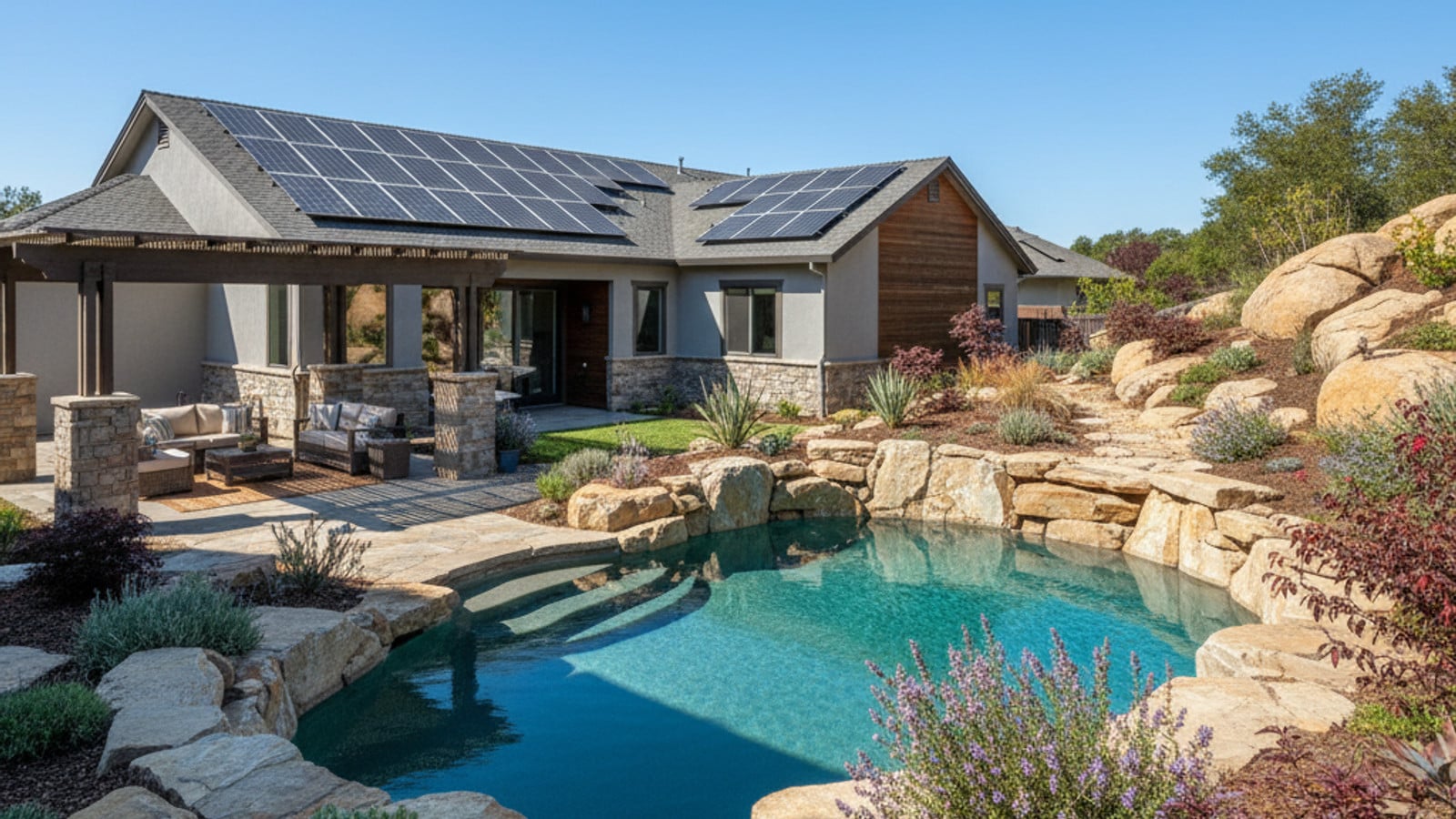
Air conditioning accounts for a massive portion of summer electricity costs. Energy-efficient HVAC systems are a priority for buyers who want to keep their monthly bills manageable. Many modern subdivisions also feature homes with solar panels to offset these cooling costs.
Homebuyers prioritize specific upgrades to maximize their comfort. Here are the main property features buyers look for to handle the local climate:
Covered outdoor spaces: Patios with built-in shade structures allow you to use your backyard even when the sun is intense.
Swimming pools: Private pools and community water features see frequent use from June through September.
Drought-resistant landscaping: Many homeowners replace thirsty lawns with native plants and rock gardens to meet California water conservation guidelines.
Getting Outside Across the Seasons
The mild winter and warm spring make outdoor activities accessible almost year-round. Mid-June through late September offers the most predictable sunshine, though the middle of the day can get too hot for strenuous exercise. Locals tend to shift their outdoor routines to the early morning or late evening during the peak summer months.
Spring and fall offer the best balance of temperature and clear skies for spending time outside. The dew point remains low during these transition seasons, keeping the air crisp and comfortable. Residents take advantage of this time to explore the extensive local park system.
Local Parks and Trails
Quarry Park serves as a central gathering space for the city, hosting outdoor concerts and events. The park features walking trails that wind through the remnants of old granite quarries. The shade from mature oak trees provides a break from the sun during afternoon walks.
Johnson-Springview Park offers a different set of amenities for daily recreation. The space includes sports fields, a dog park, and an 18-hole disc golf course. The paved pathways here stay busy throughout the year, regardless of the season.
Commute Times and Highway Access
Rocklin sits about 22 miles northeast of downtown Sacramento. Most commuters rely on Interstate 80 to reach the major employment centers in the region. The drive takes about 30 minutes without traffic, but peak rush hour can double that travel time.
The city's location also places residents near major outdoor recreation hubs. The clear highway access makes weekend trips straightforward, whether you are heading to the mountains or down into the valley.
Regional travel options expand your weekend possibilities. The area offers several ways to get around:
Sierra Nevada Mountains: Lake Tahoe and major winter sports resorts are just 1.5 to 2 hours east on I-80.
Public Transit: Placer County Transit operates local bus routes that connect to neighboring towns.
Rail Access: The Capitol Corridor train provides an alternative route into Sacramento and the Bay Area.
Current Home Prices and Market Pace
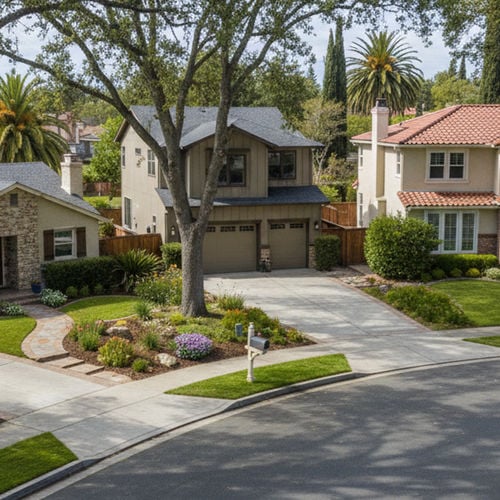
Buyers entering the market in May 2026 will find a median home price between $705,000 and $710,000. Available homes range from established single-family houses to newer townhouse developments. Many of the newer builds sit within planned communities managed by homeowner associations.
These HOAs often maintain community pools, parks, and landscaping, which takes the burden of climate-specific maintenance off the individual owner. Buyers should factor these monthly dues into their overall housing budget.
Homes in established subdivisions typically stay on the market for 16 to 52 days. Properties with updated HVAC systems, owned solar panels, and drought-tolerant yards tend to sell on the faster end of that spectrum. Buyers recognize the long-term value of a house built to handle the local weather.
Frequently Asked Questions
Does it snow in Rocklin, CA?
Snowfall is rare in this part of the valley. The city averages zero to one inch of snow annually, and most years see no accumulation at all. Freezing temperatures overnight might leave frost on windshields, but you will not need a snow shovel.
What is the best time of year to visit Rocklin based on the weather?
The spring months of April and May offer green landscapes and daytime highs in the 70s. Late September through October provides similar comfort with clear skies and lower chances of rain. These transition months give you the most accurate feel for the area's mild baseline climate.
Are utility bills high in Rocklin during the summer?
Cooling a home from June through September requires a large amount of energy. Buyers should expect a spike in their electricity costs during this period, especially if the house lacks modern insulation. Homes with solar panels often see a dramatic reduction in these seasonal expenses.
Check out this article next