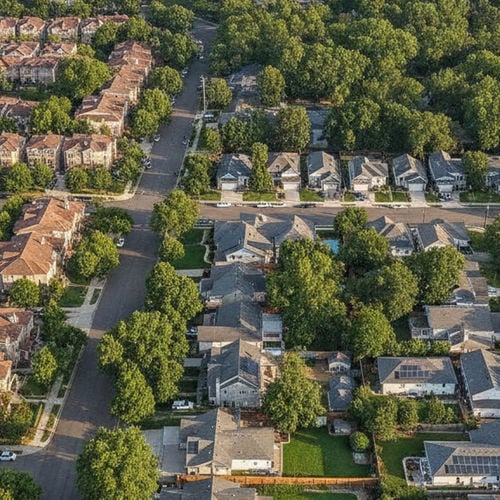


The median home sale price in the Sacramento, CA housing market sits around $598,000 as of mid-2026, and a significant portion of that inventory sits inside managed communities. With roughly 5,000 homes currently available, buyers will find HOA dues are less an asterisk and more a line item they need to plan around from day one.
That matters more than most people realize upfront. Lenders fold association dues into your debt-to-income ratio, so a high monthly charge directly affects how much house you qualify to buy. Get a handle on local averages and billing cycles before you fall in love with a specific community - it'll save you from an uncomfortable conversation during underwriting.
Typical HOA Costs in Sacramento
A broad citywide estimate puts typical Sacramento HOA dues between $100 and $400 per month, though the actual number depends almost entirely on property type and what amenities the community maintains.
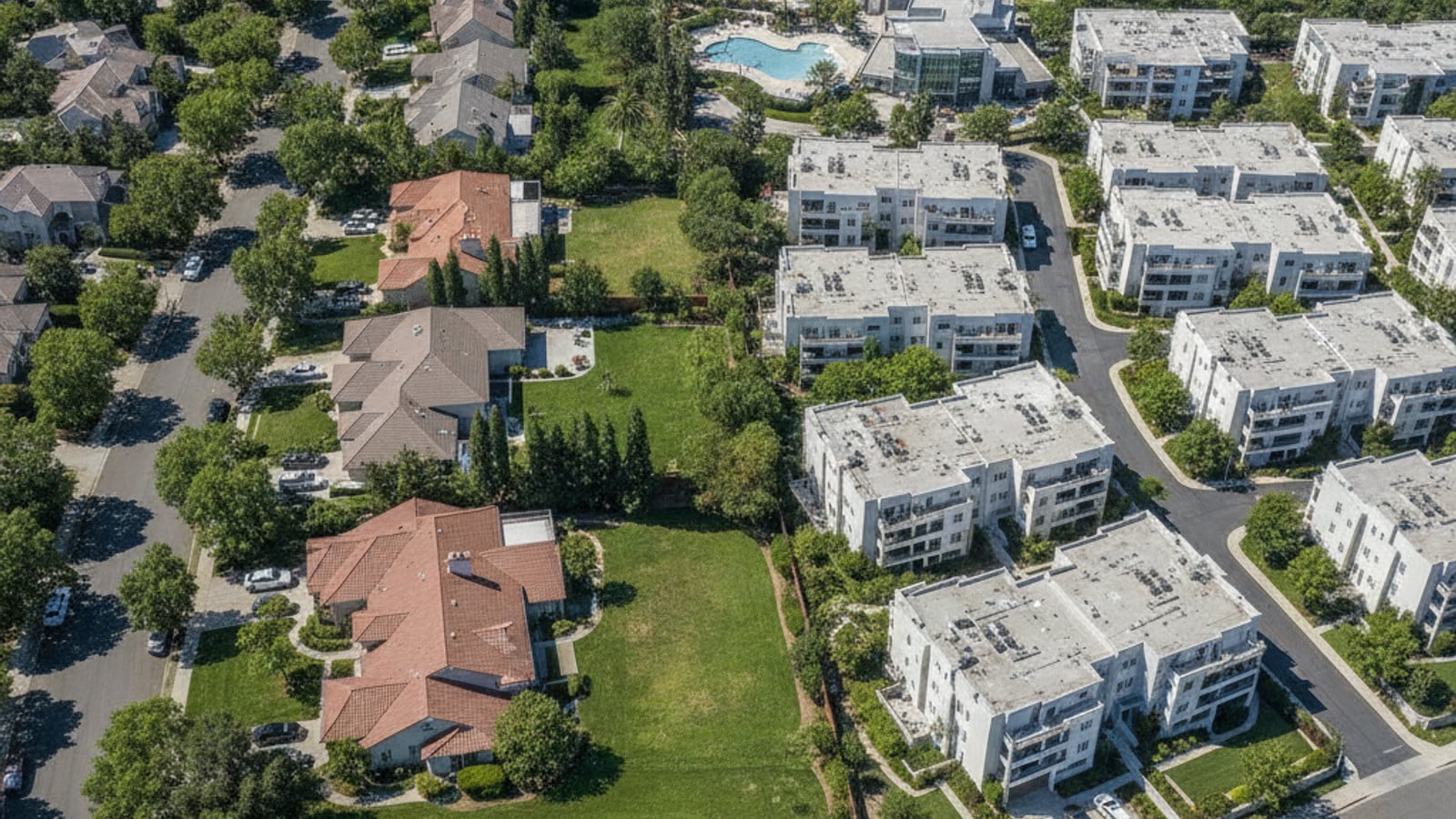
Single-family homes in planned developments generally land between $100 and $300 per month. Condos and townhomes tend to run higher because the association is responsible for the building's exterior and shared spaces - not just a few flower beds at the front gate. Luxury condos or amenity-heavy neighborhoods can push dues to $400 to $600 per month.
At the top end of the market, user-reported averages tell an even sharper story. Based on recent homeowner reports, the average fee for some Sacramento residents tracks closer to $734 per month, which reflects high-end condo buildings concentrated in the urban core.
Comparing City, County, and State Averages
County-level data provides a useful baseline. The median monthly HOA fee for Sacramento County is $335, drawn from data covering thousands of units across more than 600 registered communities.
That figure sits close to what you'd expect statewide. The California average is around $385 per month, with a median of $278. If you're shopping outside the luxury condo market, Sacramento dues will generally track those statewide norms pretty closely.
Billing Frequencies for Association Dues
Most associations in Sacramento bill monthly, which lines up neatly with your mortgage payment and makes budgeting straightforward.
Single-family neighborhoods with minimal shared infrastructure sometimes run on a quarterly or annual schedule instead. That distinction matters at closing - an annual fee of $600 feels very different from a $50 monthly charge, even though they're the same number. Confirm the payment schedule before you write an offer.
How Payments Are Collected
Medium and large communities almost always use a property management company to handle dues collection. You'll typically set up an automatic bank draft or pay through an online portal.
Smaller, self-managed associations may still route payments through a board treasurer and accept a mailed check. Either way, the governing documents you'll receive during escrow spell out the exact payment methods and the grace period for anything paid late.
What Sacramento HOA Dues Pay For
Your governing documents will tell you exactly where your money goes - but the short version is that every payment splits between day-to-day operations and a reserve account set aside for future repairs.
In a single-family neighborhood, dues typically cover landscaping for common areas, neighborhood signage, and liability insurance on shared spaces. Add a pool, clubhouse, or security gates and those operational costs come straight out of monthly assessments too.
Condo owners see a wider scope of coverage. Their dues usually pay for exterior building maintenance, roof replacement, trash collection, and often water or sewer service - costs that homeowners in a standard subdivision handle completely on their own.
The Role of the Reserve Fund
The reserve fund is essentially a savings account for the neighborhood - money set aside for large, infrequent expenses that would otherwise blindside homeowners.
In Sacramento, a well-funded reserve handles things like repaving private streets or replacing a clubhouse roof without triggering a special assessment. During the inspection period, ask to see the reserve study. It'll tell you whether the association is actually saving enough to cover what's coming.
Evaluating Whether an HOA Fee Is Too High
Homes in the Sacramento metro area sell in roughly 33 days, which means you often don't have the luxury of extended deliberation on association finances. A $400 monthly fee can be completely reasonable if it covers exterior maintenance, a pool, and water service.
That same $400 is hard to justify for a single-family neighborhood that offers a small park and basic streetlights. The question isn't just what the number is - it's what you're getting for it and what you're no longer paying for out of pocket.
Warning Signs in the Financials
High dues aren't always a sign of great amenities. Sometimes they signal that a community is playing catch-up after years of underfunding its reserves.
Ask your agent to pull the most recent budget and reserve study. A pattern of frequent fee increases or pending lawsuits against the developer are two things you want to know about before you're under contract, not after.
Additional Association Costs to Expect
The monthly dues aren't the only number that matters. Real estate transactions involving managed communities come with several one-time fees due at closing.
The most common is the HOA transfer fee - an administrative charge for updating ownership records. In California, that typically runs $200 to $500. Some communities also collect a capital contribution or initiation fee when a new owner moves in, which is a one-time deposit directly into the reserve fund, often equal to two or three months of regular dues.
Handling Special Assessments
A special assessment is a temporary, extra charge the board levies when the reserve fund falls short of a major repair. It's not a routine occurrence, but it does happen - boards vote on these to cover unexpected expenses like emergency structural work.
Sellers are required to disclose any pending or approved special assessments during the transaction. If one is active when you're under contract, make sure you and the seller have a clear agreement on who's paying it before you get to the closing table.
Frequently Asked Questions
What is the average monthly HOA fee for a condo or single-family home in Sacramento?
Single-family homes typically range from $100 to $300 per month, while condos and amenity-rich communities often run $400 to $600. The broader median for Sacramento County sits at $335 per month.
What amenities and utilities are typically covered by HOA dues in Sacramento communities?
Condo dues often cover exterior maintenance, roof replacement, trash collection, and water service. Single-family neighborhood fees generally pay for common area landscaping, neighborhood signage, and liability insurance.
How often do local HOAs charge surprise special assessments on top of regular monthly fees?
Special assessments aren't a regular occurrence - they only happen when the reserve fund can't cover a major, unexpected repair. Reviewing the community's reserve study before you buy gives you the clearest picture of how likely that is.
Check out this article next