
The Greater Sacramento area continues to draw significant real estate interest, and Roseville stands out as a prime destination within Placer County. Buyers looking into the Roseville CA housing market today will find a landscape shaped by steady demand and limited housing stock. Understanding the current local dynamics is essential for making informed property decisions this year.
Whether you are searching for a newly built property or planning to list an established home, timing and location dictate your strategy. The local environment requires buyers to act decisively while giving sellers the upper hand if they price their properties accurately. Knowing exactly how inventory levels and neighborhood features interact will help you navigate this competitive landscape with confidence.
Roseville CA Housing Market: 2026 Overview
Roseville is currently experiencing a strong seller's market driven by persistent inventory constraints across the region. Prospective buyers are competing for a limited number of homes, which keeps property values insulated against broader economic shifts. The median home sale price currently sits at approximately $629,000, representing a noticeable stabilization compared to the rapid fluctuations seen last year.
Homes are moving quickly, with an average of just 18 days on market before going under contract. This rapid pace means buyers must have their financing fully secured before submitting offers. Sellers, on the other hand, can expect a streamlined transaction process if their property is staged well and marketed correctly.
The city currently holds about a 1.5-month inventory supply, which strongly favors property owners. In practical terms, this low supply means buyers should anticipate multiple-offer scenarios on well-priced listings. Working closely with a real estate agent to structure competitive terms is the best way to secure a property under these conditions.
West Roseville vs. Central Roseville: Property Types and Inventory
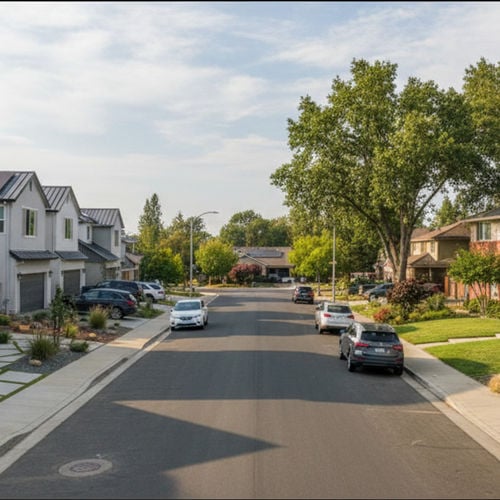
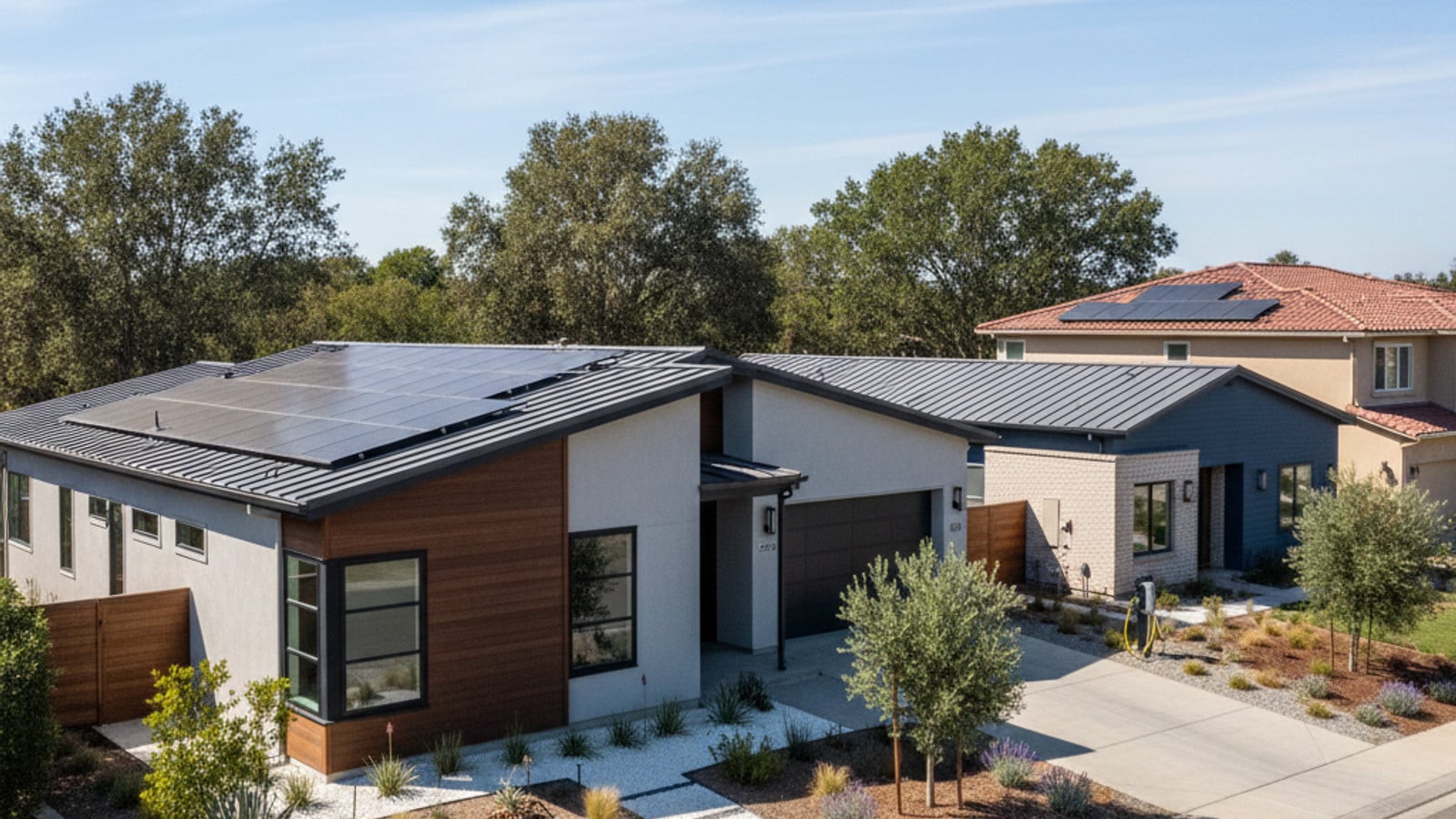
The housing stock in Roseville varies significantly depending on which side of the city you focus your search. West Roseville has seen a massive surge in new construction developments and expansive master-planned communities. Buyers exploring this area will find modern floor plans, energy-efficient designs, and a higher concentration of active MLS listings.
In contrast, Central Roseville offers older, established homes characterized by mature landscaping and notably larger lot sizes. These historic and mid-century properties appeal to buyers looking for unique architecture rather than standard suburban builds. The trade-off often involves updating older systems versus the move-in readiness of the newer western developments.
Financial obligations also differ heavily between these two zones. West Roseville properties frequently come with higher HOA fees and Mello-Roos assessments to fund new local infrastructure. Central Roseville homes generally avoid these extra tax burdens, which can significantly alter a buyer's monthly budget calculations.
Amenities Driving Property Values in Roseville
Real estate values throughout the city are strongly anchored by exceptional local infrastructure and commercial centers. The Westfield Galleria at Roseville and the Fountains at Roseville serve as major retail hubs that draw visitors from across Northern California. Properties located within a short drive of these commercial zones consistently command premium pricing.
Beyond shopping, the city offers robust recreation options, with Maidu Regional Park providing extensive trails, sports facilities, and community spaces. Commute access also plays a critical role in property valuation. Homes positioned with convenient access to the I-80 and CA-65 corridors retain high demand from professionals traveling into downtown Sacramento.
How Local School Districts Impact Real Estate
Educational boundaries are a major factor driving buyer demand and neighborhood pricing within Placer County. The primary educational zones include the Roseville City School District and the Roseville Joint Union High School District. Homes located within these specific district boundaries often see faster sales and sustained value retention over time.
Buyers frequently use school boundary maps as the primary filter to narrow down their zip code searches. This targeted demand means that homes in highly sought-after attendance zones often receive premium offers. Sellers in these areas can leverage their location as a primary marketing feature to attract motivated buyers.
Roseville Market Trends: Forecast for the Rest of 2026
Looking ahead through the remainder of 2026, the Roseville real estate market is projected to maintain its current steady trajectory. Industry forecasts suggest a modest price growth of approximately 2% to 4% by the end of the year. This steady appreciation offers a more predictable environment compared to the volatile pricing spikes of previous years.
Current mortgage interest rates are hovering around 6.2%, which continues to impact overall buyer purchasing power. While these rates are higher than historical lows, local buyers have largely adjusted their budgets to accommodate the new financing reality. Sellers must remain realistic, as overpricing a home in a 6.2% rate environment will quickly lead to stagnant listings.
The most effective strategy for sellers right now is pricing accurately from day one to generate immediate interest. For buyers, navigating multiple-offer scenarios requires flexibility on terms like closing dates or inspection contingencies. Staying adaptable and informed will be the key to successfully closing a transaction in this fast-paced market.
Frequently Asked Questions
Is Roseville, CA currently a buyer's or seller's market?
Roseville is firmly in a seller's market as of mid-2026. With only a 1.5-month supply of inventory available, demand significantly outpaces the number of active listings. Buyers should expect competitive bidding environments, especially for homes priced near the $629,000 median.
Why is the Folsom housing market historically more expensive than Roseville?
Folsom typically carries a 15% to 20% price premium over Roseville due to its proximity to Folsom Lake and strict geographical growth boundaries. While Roseville has room to expand westward with new construction, Folsom's limited buildable land creates artificial scarcity. Both cities offer exceptional amenities, but Folsom's constrained supply drives its baseline prices higher.
Is 2026 a good time to buy a house in Roseville, CA?
Purchasing a home in 2026 makes sense for buyers who are prepared for the current interest rate environment and plan to hold the property long-term. With a projected 2% to 4% price growth expected through the end of the year, waiting could result in higher acquisition costs. Securing a property now allows buyers to build equity in one of the most stable markets in Greater Sacramento.
Check out this article next