


Is Lincoln, CA the Best Real Estate Investment in Placer County?
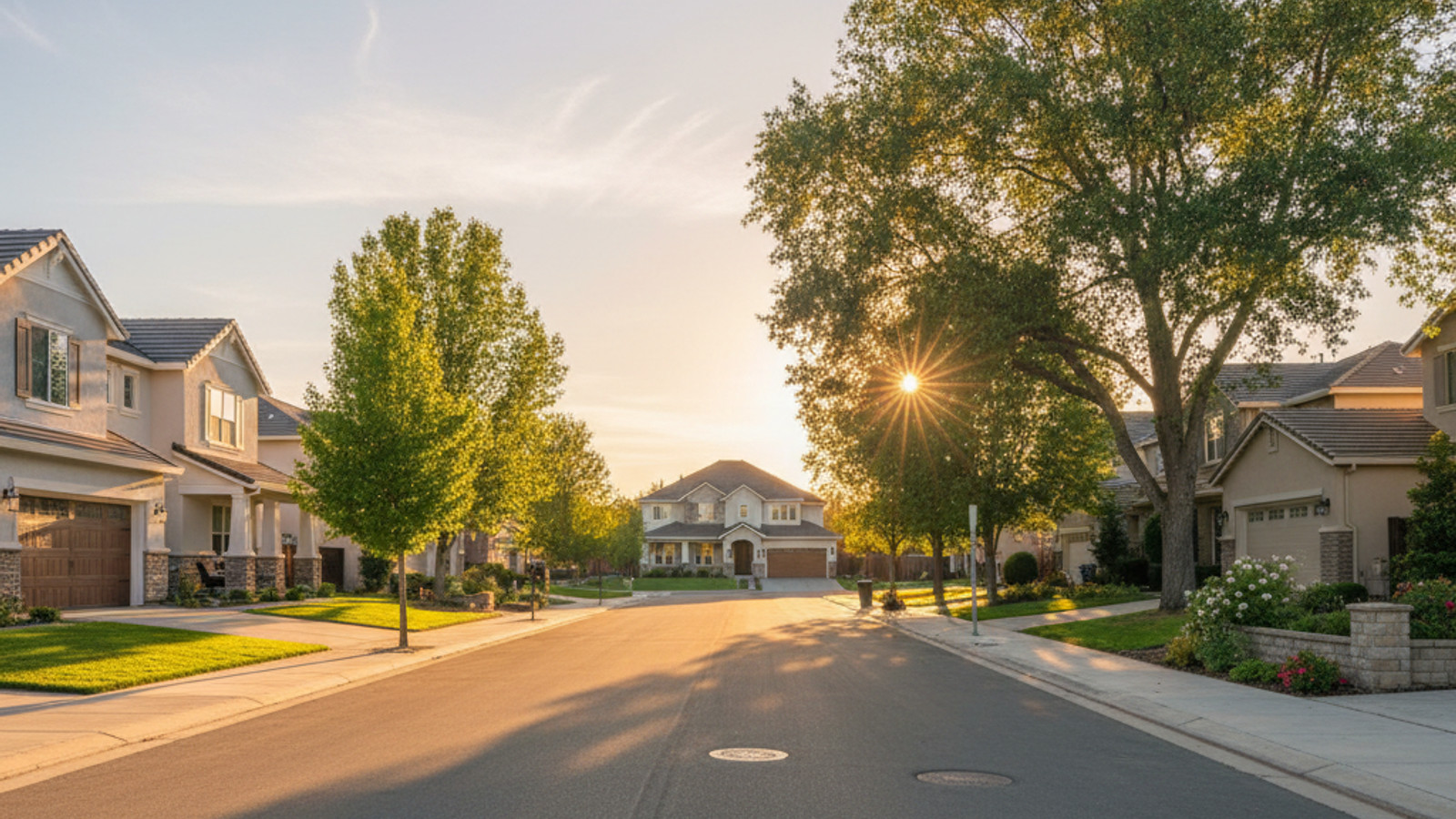
For years, investors looking at Placer County automatically gravitated toward Roseville or Rocklin. Those cities are the heavyweights, but they also come with crowded boulevards and premium price tags. Lincoln offers a different vibe. It balances that "small-town feel" and open space with the rapid suburban expansion that drives property values up.
However, the market has shifted as we moved into 2026. After years of aggressive growth, we are seeing a cooling period where prices have dipped approximately 10% year-over-year in some sectors. This creates a unique window for buyers. With median home prices currently hovering between $550,000 and $650,000, Lincoln is significantly more accessible than its southern neighbors.
The thesis for investing here is simple: Lincoln is a long-term appreciation play. While you can find homes for sale in Lincoln that offer decent returns, you have to be sharper with your calculator than you would in Roseville. Specific local costs - specifically tax bonds and utility providers - can eat into your margins if you aren't paying attention. Let's break down the numbers.
Lincoln, CA Real Estate Market Trends (2026 Forecast)
To make a smart decision, you need to understand the current pulse of the market. We have moved away from the frenzied bidding wars of the past few years into what we call a "balanced market."
Inventory Normalization The days of a home selling in a weekend are largely behind us. We are seeing properties sit for 40 to 60 days on average. For an investor, this is excellent news. It means you have time to run your numbers, inspect the property thoroughly, and negotiate on price or concessions.
Rental Demand and Pricing Demand for rentals remains incredibly high, driven largely by a lack of apartment complexes compared to single-family homes. Average rents are hovering around $2,918 per month. Vacancy rates stay low because the population is growing faster than the housing supply.
Growth Drivers The migration pattern hasn't stopped. We are still seeing a steady stream of residents moving from the Bay Area and crowded parts of Sacramento. They are looking for newer homes, larger lots, and access to the Placer County lifestyle without the Roseville traffic.
Best Neighborhoods in Lincoln for Investment
Lincoln isn't a single monolithic market. It is segmented into distinct areas, each with a different tenant profile and price point. Understanding these differences is key to predicting your vacancy rates and maintenance costs.
Twelve Bridges
This is widely considered the premium choice for investors looking for Class A properties. The entry price is higher - often $800,000 and up - but the tenant quality is exceptional. These homes attract high-income professionals who want proximity to top-rated schools, walking trails, and the new commercial developments nearby. If you are looking for long-term stability and pride of ownership, this is the spot.
Sun City Lincoln Hills
Sun City is a massive market unto itself, consisting of thousands of homes ranging from $400,000 to over $1,000,000. This is an Active Adult (55+) community. The demand here is relentless because retirees are always moving to Placer County. However, you must factor in the HOA fees, which are currently around $188 per month.
Lincoln Crossing
If you are looking for a modern home at a more accessible price point, Lincoln Crossing is usually the first place investors look. It offers high-speed internet included in the HOA and incredible community amenities. However, you must be extremely careful here regarding taxes, which we will cover in the next section.
Downtown and Older Lincoln
For the investor willing to do some work, the older parts of Lincoln offer true "value-add" potential. You can find properties with lower entry prices and large lots. These homes don't have the HOA fees or Mello-Roos taxes of the newer developments, which can significantly improve your monthly cash flow.
The ROI Killers: Mello-Roos and Utilities
This is the section that usually separates the profitable investors from the frustrated ones. Lincoln has two specific financial variables that differ from Roseville and Rocklin.
Understanding Mello-Roos Mello-Roos is a special tax assessment used to fund infrastructure in newer communities. In areas like Lincoln Crossing or parts of Twelve Bridges, this can add anywhere from $150 to over $375 per month to your tax bill. Unlike a standard property tax, this doesn't always scale with the home value. You must verify the specific Mello-Roos amount for any property you consider, as it directly reduces your Net Operating Income (NOI).
The Utility Shock If you are comparing investing in Lincoln vs. Roseville, you need to know about electricity. Roseville has its own municipal utility (Roseville Electric) which is very cheap. Lincoln relies on PG&E. The difference in monthly utility costs for a tenant can be significant. High utility costs can sometimes make tenants more price-sensitive regarding the rent they are willing to pay.
Insurance Costs Some areas of Lincoln, specifically those bordering the open grasslands or foothills, are considered "wildfire interface zones." Insurance premiums in these areas have risen sharply. Before making an offer, get a quote to ensure the insurance premium doesn't kill your cap rate.
Rental Strategy: Cash Flow vs. Appreciation
So, does the math work? It depends on your goals.
Cash Flow Difficulty With interest rates where they are and median prices near $630,000, achieving positive cash flow on day one is difficult with a standard 20% down payment. Most investors achieving positive cash flow right now are putting 30% or more down. If your primary goal is immediate monthly income, you will need to hunt for those fixer-uppers in the older parts of town.
Appreciation Play Lincoln is a "path of progress" city. As land in Roseville and Rocklin becomes scarce, development pushes north and west into Lincoln. Historically, real estate in the path of progress appreciates well. If you are holding for 5 to 10 years, the equity growth here is the primary driver of wealth.
Tenant Profile The silver lining to the high entry price is the stability of the tenants. Lincoln attracts families and retirees who tend to stay in properties for years, not months. Lower turnover costs can often save you more money over five years than a slightly higher rental yield in a transient area would generate.
Frequently Asked Questions
Is Lincoln, CA a good place to invest in real estate?
Yes, primarily for investors focused on long-term appreciation and stable tenants. While immediate cash flow can be tight due to current interest rates, the city's steady population growth and position as a lower-cost alternative to Roseville make it a strong equity play.
How do Mello-Roos taxes work in Lincoln?
Mello-Roos is a special tax district bond used to pay for infrastructure like roads and schools in newer developments (post-2000). In Lincoln, these fees can range from $120 to $375+ per month on top of your standard property taxes, so you must factor this into your monthly expense budget.
What is the average rent in Lincoln, CA?
As of early 2026, the average rent for a single-family home in Lincoln is approximately $2,918 per month. Rents can be significantly higher in premium neighborhoods like Twelve Bridges or for larger homes in Lincoln Crossing.
Can I rent out a home in Sun City Lincoln Hills?
Yes, you can rent out homes in Sun City, but you must comply with the age restrictions. Generally, at least one resident must be 55 years or older, and no permanent residents under the age of 19 are typically allowed, which limits your pool of potential tenants to the active adult demographic.
Check out this article next