


Planning to sell? Download the Made 4 More app to explore accurate listings and make smarter real estate decisions. Start your next move with confidence!
Today's buyers have more homes to choose from, and higher mortgage payments have made them more careful about where their money goes. They're comparing properties, negotiating harder, and looking for the best value before making a move.
So, how do you make sure your home stands out without leaving money on the table?
It's not just about picking a number and putting a sign in the yard. It's about understanding your competition, knowing what buyers expect, and having a strategy that works.
Here are three things every homeowner should know before pricing their home.
1. Don't Just Follow the Comps. Know Your Competition.
You've probably heard your neighbor sold their home for a great price. Naturally, you're wondering if you could get the same—or even more.
But here's the catch: Your competition isn't just the homes that already sold. It's the homes buyers can purchase right now.
Comparable sales (comps) help establish a starting point, but they don't tell the whole story.
Your agent should also look at:
- Active listings: What other homes are buyers considering?
- Pending sales: Which properties are attracting serious offers?
- Recent sales: What have buyers actually been willing to pay?
- Property condition: How does your home's condition compare?
- Location and features: What makes your property stand out?
Think of it this way: Buyers are shopping for the best deal, not the best story about what your neighbor's home sold for six months ago.
Your asking price should reflect today's competition and current buyer demand.
Seller takeaway: You don't necessarily need the lowest price. You need a price that makes buyers feel your home is worth choosing.
2. The Asking Price Isn't Always the Final Offer
Getting an offer at your asking price feels great. But don't celebrate too early—there's more to a real estate transaction than the purchase price.
Today's buyers may negotiate for:
- Seller-paid closing costs
- Repair credits after inspections
- Mortgage rate buydowns
- Appliance or furniture inclusions
- Other favorable contract terms
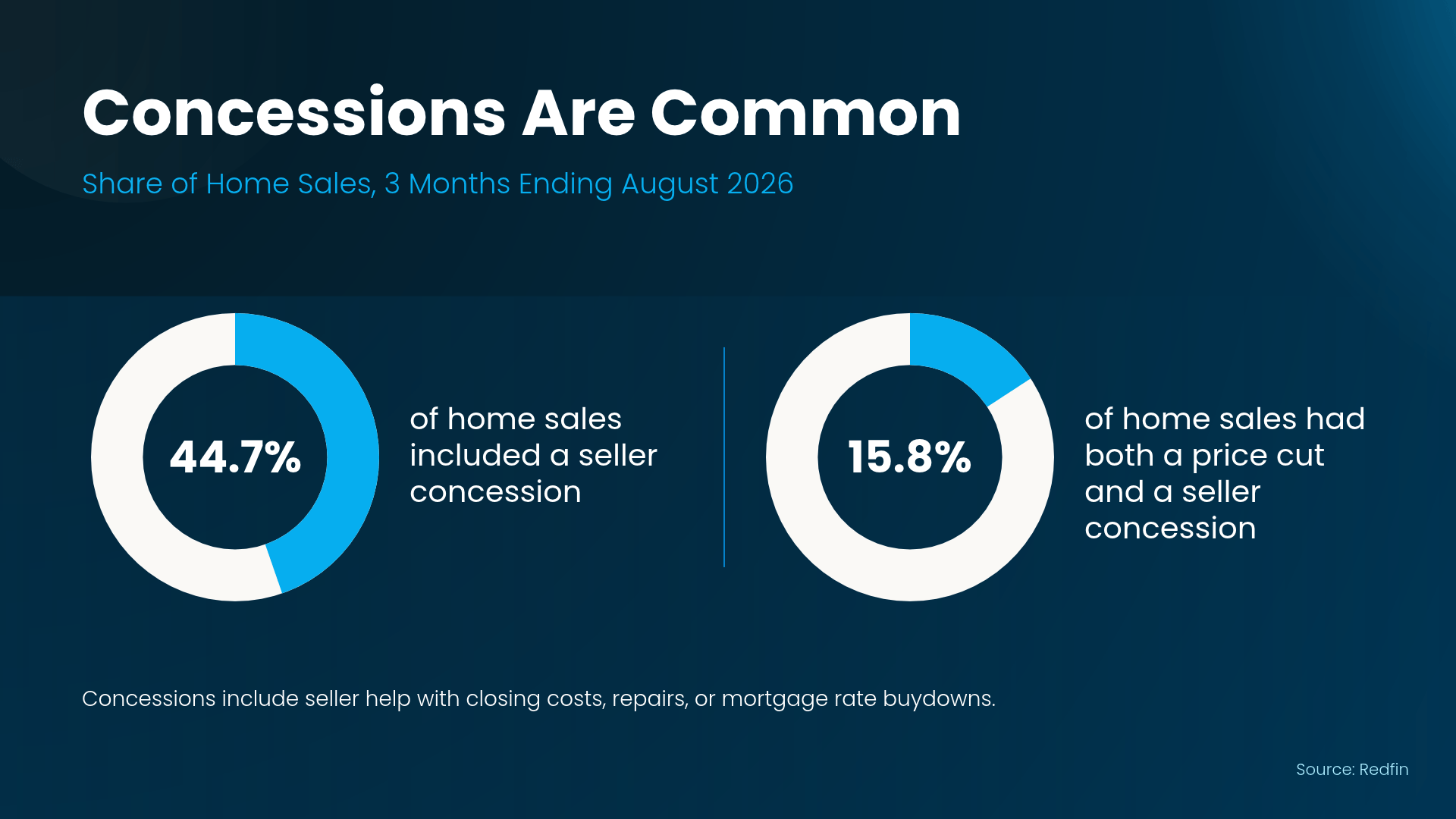
According to the Redfin figures cited in the source data, 44.7% of home sales involved seller concessions, while 15.8% included both a price reduction and concessions.
That means negotiations are an important part of today's selling process.
Does that mean you should automatically agree to every request? Absolutely not.
A buyer asking for $10,000 in closing-cost assistance might still present a stronger overall offer than someone offering a higher purchase price with unfavorable terms.
That's why you need to look beyond the number on the offer.
Consider:
- How much will you actually walk away with?
- Is the buyer financially qualified?
- Are there contingencies that could delay closing?
- How much will requested concessions cost you?
- Which offer gives you the best overall outcome?
Seller takeaway: The highest offer isn't always the best offer. Focus on your actual net proceeds and the strength of the entire contract.

3. Know When to Adjust—and When to Hold Your Ground
You've priced your home carefully, prepared it for showings, and launched your listing.
But what happens when the offers don't come?
First, don't panic. A slow start doesn't automatically mean your home is overpriced. It means you need to understand what buyers are telling you.
Your agent should pay attention to listing activity, showing feedback, competing properties, and buyer behavior.
Here's how to read the signs:
Lots of online views but very few showings?
Your listing photos, presentation, or asking price may not be convincing buyers to take the next step.
Plenty of showings but no offers?
Buyers may like the location but see something they don't love about the home's condition, features, or value compared with other properties.
Offers are coming in, but the terms aren't ideal?
It may be time to rethink your negotiation strategy rather than immediately lowering your asking price.
Similar homes are selling faster?
Your property may need better positioning, stronger marketing, or a pricing adjustment to remain competitive.
Remember, a price reduction isn't always the answer. Sometimes better photos, staging, minor repairs, or a stronger marketing campaign can make a meaningful difference.
The key is knowing which adjustment will actually solve the problem.
Seller takeaway: Don't make emotional decisions based on a few quiet days. Use real buyer feedback and local market data to make your next move.
The Bottom Line: Price Smart. Negotiate Better. Sell With Confidence.
Selling your home today isn't about throwing out a high asking price and hoping someone bites.
It's about understanding your local competition, preparing for negotiations, and knowing when to adjust your strategy.
The right pricing strategy can help attract serious buyers, protect your negotiating position, and put you in a stronger position to reach your selling goals.
Whether you're selling, buying, or simply exploring your options, Made 4 More Realty is ready to help you make informed real estate decisions.
Call or text us today at 855-935-MORE.
Check out this article next