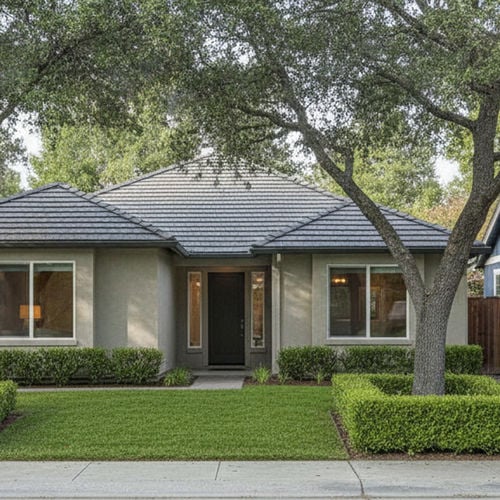


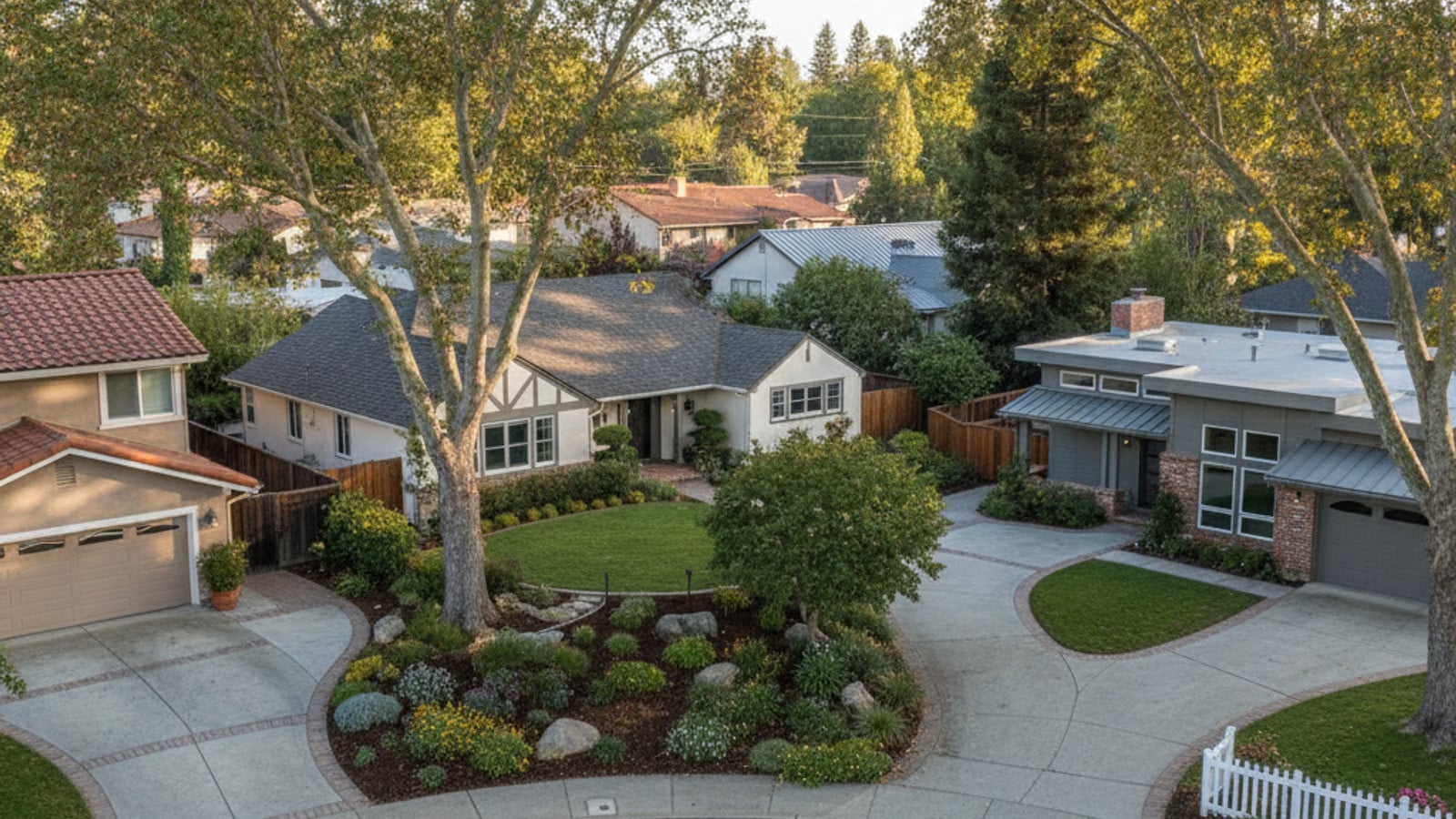
The median home price in the Citrus Heights, CA housing market sits around $481,000, and homes are moving - available properties are spending roughly 15 days on the market before selling. That pace means buyers don't have a lot of time to sit with the numbers, so let's talk about the one recurring cost that surprises people most: the annual tax bill. Getting that figure right before you make an offer is the difference between a payment that works and one that doesn't.
California has statewide rules that set the floor, but local voter-approved bonds and special districts layer on top of that base rate depending on exactly where the house sits. The Sacramento County Assessor runs the calculations, and understanding how the system is built will keep you from staring at a bill after closing wondering where those extra line items came from.
Current Tax Rates in Citrus Heights
California caps the base property tax rate at 1% of a property's assessed value - that's the law statewide. What pushes your actual bill higher are the local voter-approved bonds and special assessments tied to the specific parcel you're buying.
In Citrus Heights, the median effective property tax rate runs roughly 1.18%, though depending on the neighborhood you're looking at, estimates range between 0.7% and 1.33%. On a typical $481,000 property, that translates to somewhere between $3,338 and $5,675 annually - a range wide enough that the specific location of the house genuinely matters.
These rates apply across local ZIP codes, including 95610, 95611, and 95621. The Sacramento County Assessor calculates the exact amount based on your parcel's location and whatever bond measures voters in that specific area have approved.
Comparing to Sacramento County Averages
Sacramento County's average effective property tax rate runs around 1.37%. Citrus Heights residents generally land below that figure.
That gap might sound modest, but it shows up in your monthly payment every single month for as long as you own the home. If you're cross-shopping properties in Citrus Heights against homes in neighboring towns, this local variance is worth building into your side-by-side budget comparison.
How Sacramento County Calculates Your Bill
In 1978, California voters passed Proposition 13, and it fundamentally changed how real estate gets assessed here. The law limits the general property tax rate to 1% of assessed value, plus local voter-approved debt - but the more important piece for buyers is what it does to annual increases.
Proposition 13 caps how much a property's assessed value can rise each year at 2%. The county can only reassess a home at full market value when there's a change of ownership or new construction is completed. That's it.
What this means in practice: long-term homeowners are often paying taxes on an assessed value that's well below current market value. The moment you buy a home, the clock resets. A purchase at $481,000 generates a tax bill based on that new price - higher than what the previous owner was paying, sometimes significantly so.
Estimating Your Annual Costs
To get a rough number quickly, apply the 1.18% average effective rate to your target purchase price. For a home valued near $477,114, that math produces an estimated annual bill of about $5,630.
Your exact total will shift based on ZIP code and local district boundaries. The Sacramento County Tax Collector provides online lookup tools where you can search by address and see the precise current levies on any specific parcel - worth doing before you finalize your offer.
Special Assessments and Mello-Roos Fees
If you're looking at newer developments in Citrus Heights, watch for special assessments. Many newer communities across California use Community Facilities Districts - what most people call Mello-Roos - to fund local infrastructure like roads, schools, and utilities in newly built areas.
These fees show up as a separate line item on your annual tax bill and can meaningfully increase your total.
One critical distinction: Mello-Roos fees don't fall under Proposition 13's limits. Sellers are required to disclose if a property sits inside a Mello-Roos district, and you'll want to review those disclosures carefully during your contingency period before you're committed.
Ways to Lower Your Tax Burden
California has a few programs worth knowing about. The most widely used is the California Homeowners' Exemption, which knocks $7,000 off the taxable assessed value of an owner-occupied home - saving you roughly $70 per year. To get the full benefit, you need to file your claim with the Sacramento County Assessor by February 15.
Older buyers have a more significant option available. Under Proposition 19, passed in 2020, homeowners aged 55 and older can transfer their existing Proposition 13 base year assessed value to a replacement home anywhere in the state.
Rules for the Proposition 19 Transfer
That transfer can happen up to three times, and it applies regardless of where in California the replacement home is located. For a long-time owner sitting on a low assessed value, this protection is substantial - it means you can downsize or relocate without triggering a full reassessment at current market values.
The replacement property can be purchased either before or after selling the original home. Work with the county assessor's office directly to make sure all the paperwork is filed correctly, because getting that detail wrong can cost you the benefit.
Looking Up Records and Making Payments
The Sacramento County Tax Collector handles all property tax billing and processing for Citrus Heights. Annual bills go out by mail, but every record is public and searchable online - you can look up any property's tax history using a parcel number or street address through the county's official portal. That breakdown will show you current balances, past payments, and the exact composition of local bond charges.
Payment options include online e-check or credit card, mail, or in-person delivery to the county office. One thing to confirm before you pay anything: if your mortgage servicer collects escrow, they may be paying the bill directly. Submitting a duplicate payment creates a headache that takes a while to unwind.
Frequently Asked Questions
What is the standard property tax rate for a home in Citrus Heights, CA?
The base rate is capped at 1% of the assessed value under state law. With local voter-approved bonds and assessments factored in, the median effective rate in Citrus Heights sits around 1.18%.
What are the exact due dates for paying my Citrus Heights property taxes each year?
The Sacramento County Tax Collector issues annual bills that are typically paid in two installments. Check the county's official tax portal for the specific deadlines that apply to your billing cycle.
Are there Mello-Roos fees or special assessment taxes in Citrus Heights neighborhoods?
Yes, some specific neighborhoods carry additional assessments. Newer developments often include Community Facilities Districts - Mello-Roos fees - to fund local infrastructure.
Will I receive a supplemental property tax bill immediately after buying a house in Citrus Heights?
Yes. Buyers typically receive a supplemental bill after closing that covers the difference between the previous owner's assessed value and your new purchase price for the remainder of the tax year.
How do I apply for the California Homeowner's Exemption for my primary residence in Citrus Heights?
File a claim with the Sacramento County Assessor's office. Getting the paperwork in by February 15 secures the full $7,000 reduction in taxable assessed value.
What is the process for appealing my property tax assessment if home values drop in Citrus Heights?
You can file a formal assessment appeal with Sacramento County. You'll need to bring evidence - recent comparable sales data, for instance - showing that the current market value is actually lower than what the county has assessed.
Check out this article next