


If you are looking into relocating to the Sacramento area, you have likely narrowed your search down to two heavy hitters: Lincoln and Folsom. It is a common dilemma for buyers because both cities offer an incredible quality of life, but they cater to very different distinct paces and budgets.
Think of it this way: Folsom is the bustling, amenity-rich hub where everything feels established and energetic. Lincoln, on the other hand, is the quieter "country" cousin—more affordable on the surface, laid back, and growing rapidly. Geographically, they sit on different corridors. Folsom anchors the Highway 50 corridor east of Sacramento, while Lincoln sits to the northeast along the Highway 65 and I-80 corridor. Choosing between them usually comes down to whether you want the buzz of a mini-city or the breathing room of a small town.
The Vibe Check: Hills vs. Plains
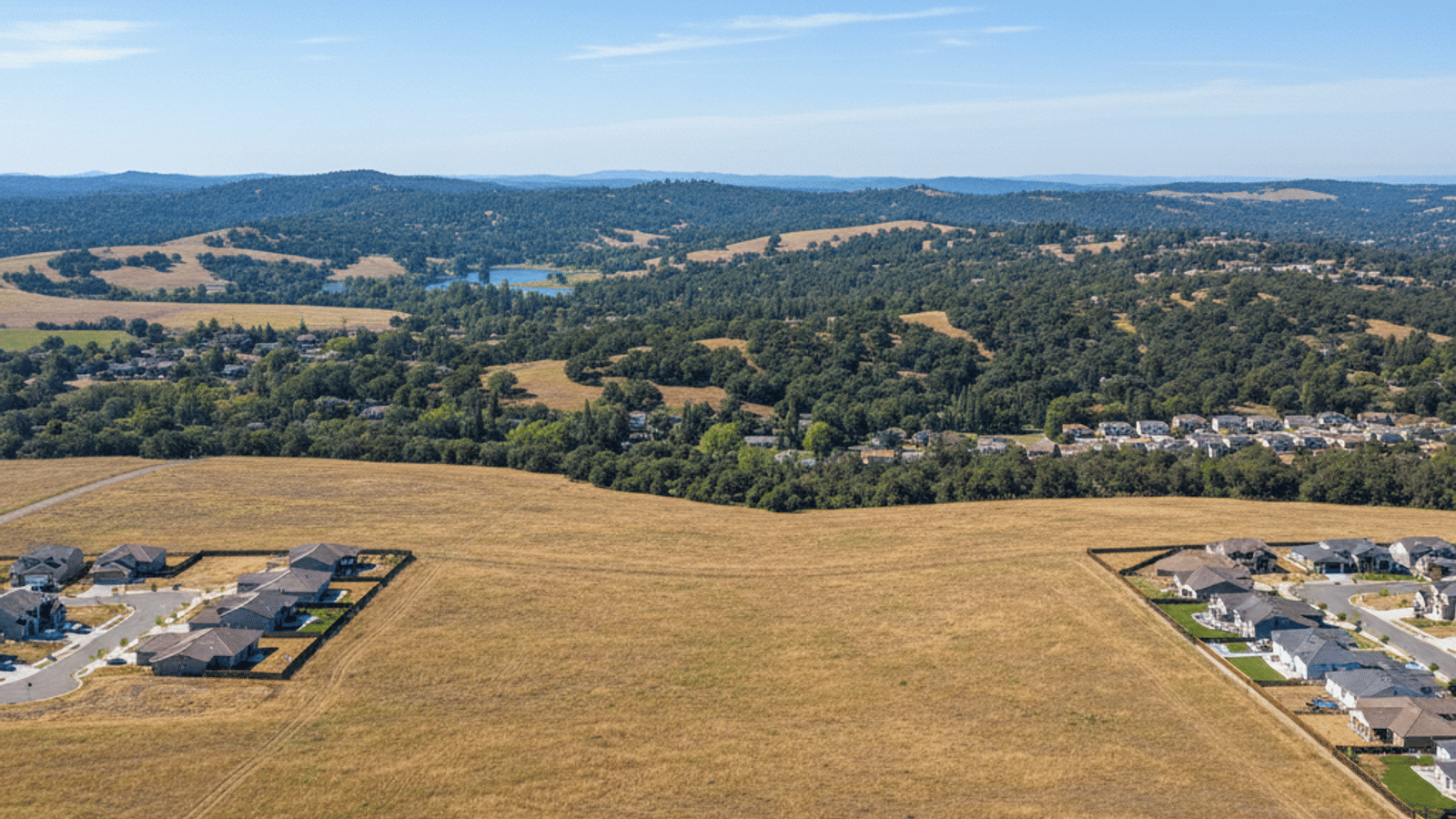
When you drive through these two cities, the first thing you notice is the physical landscape. It actually plays a huge role in the daily lifestyle here. Folsom is defined by rolling hills, established tree canopies, and water. It has an active, athletic energy—you will constantly see cyclists and runners on the trails. Thanks to the Intel campus and other major employers, it has a distinct "tech-hub" feel that skews a bit younger and faster-paced.
Lincoln feels entirely different. The topography is much flatter, which is a major selling point for residents who prefer easier walking or using golf carts to get around. While Folsom feels like a cohesive suburb, Lincoln is a mix of a historic, small-town downtown and massive, modern master-planned communities. The pace here is noticeably slower, partly influenced by Sun City Lincoln Hills, one of the largest active adult communities in the country. This gives Lincoln a grounded, community-focused atmosphere where the median age is around 43, compared to Folsom’s younger demographic closer to 38 or 40.
Cost of Living & Housing Market Comparison
Let’s talk numbers, because this is usually where the decision gets real. If you are browsing listings, you will generally see that Folsom commands a premium. Due to its location, lake access, and school reputation, comparable properties here often run 10-15% higher than comparable properties in Lincoln.
To give you a concrete example of buying power: A budget of $700,000 in Folsom might get you a solid starter home or perhaps a fixer-upper in a desirable neighborhood. In Lincoln, that same $700,000 opens the door to newer construction with more square footage and modern finishes. The median price point usually hovers around the $730,000 range in Folsom versus the $640,000 range in Lincoln.
The Critical "Hidden" Cost: Mello-Roos
However, looking at the mortgage payment alone can be misleading. You have to look at the total monthly obligation, and that means talking about Mello-Roos taxes.
Both cities have special tax districts, but they are particularly prominent in Lincoln’s newer developments like Lincoln Crossing. In some of these districts, the Mello-Roos fees can exceed $300 or even $400 a month. These taxes fund the beautiful new schools, parks, and infrastructure that residents enjoy, so the money stays local, but it can offset the savings you thought you were getting on the lower home price. Always check the specific tax bill for any home you are serious about.
Utilities Comparison
Another monthly line item to watch is your electric bill. Folsom residents are served by SMUD (Sacramento Municipal Utility District), which is widely loved for being reliable and generally cheaper than the alternatives. Lincoln residents typically rely on PG&E and city services, which can sometimes result in higher monthly utility costs depending on usage.
Commute to Sacramento: Hwy 50 vs. Hwy 65
For many buyers, the commute is the dealbreaker. If you work in downtown Sacramento, your drive will look very different depending on your zip code.
Folsom commuters use Highway 50. It is a straight shot west, but it is heavily congested during rush hour. The drive is roughly 25 miles and usually takes 30-40 minutes, though traffic can easily extend that. The massive advantage for Folsom is the Light Rail (Gold Line). If you work for the state or downtown, being able to hop on the train and skip the driving altogether is a game-changer.
Lincoln commuters face a tougher challenge. The drive involves taking Highway 65 down to I-80. The interchange where these two highways meet is a notorious bottleneck known to frustrate even the most patient drivers. While Lincoln is only about 30 miles from downtown, that friction point often pushes the commute to 45 minutes or more. However, if you work from home, this might not matter—both cities have excellent fiber internet availability, making them top tiers for hybrid workers.
Schools & Education Districts
Education is often a primary driver for demand in both areas. While we always recommend looking up specific school ratings and programs, the general reputations of the districts differ slightly.
Folsom is served by the Folsom Cordova Unified School District. These schools are consistently highly rated and are often the main reason buyers are willing to pay the Folsom premium. Folsom High School, in particular, is regionally famous not just for its academics but for its powerhouse football program.
Lincoln is served by the Western Placer Unified School District. While it may not have the decades-long fame of Folsom, the schools here are strong and improving rapidly alongside the population growth. The newer Twelve Bridges High School is a major draw for the community and boasts modern facilities.
Lifestyle: Shopping, Dining, and Recreation
So, what do you do on a Saturday?
If you love retail therapy, Folsom is the clear winner. It is home to the Palladio at Broadstone, a massive outdoor lifestyle center with cinemas, restaurants, and high-end retail. You also have easy access to Costco, Whole Foods, and essentially every big-box store imaginable. The dining scene is diverse, and the Historic District offers a fun nightlife scene that stays active well into the evening.
Lincoln offers a quieter, more localized lifestyle. You have your essentials like Target and Lowe’s, but for extensive shopping trips, residents often drive 15 minutes south to Roseville. Dining in Lincoln is more about local gems—think Old Town Pizza or local breweries—rather than sprawling commercial centers. It is generally quieter after 9 PM.
However, Lincoln has its own entertainment ace: Thunder Valley Casino Resort. It is a regional destination for concerts and resort-style entertainment right in your backyard.
The Great Outdoors
- Folsom: Defined by water. You have Folsom Lake for boating and the American River Bike Trail for miles of cycling and running.
- Lincoln: Defined by parks and open space. You are closer to rural Placer County wine trails and have fantastic community parks like McBean Park.
Notable Neighborhoods to Watch
If you are ready to start Zillow-surfing, here are a few specific areas to punch into the search bar.
In Folsom, Empire Ranch is popular for its rolling terrain, views, and newer homes, though it can get a bit windy on the hills. Broadstone puts you right next to the shopping action at the Palladio, while Historic Folsom offers walkable charm with older, character-rich bungalows.
In Lincoln, Lincoln Crossing is the amenity-rich giant with clubhouses and pools, though you need to watch the Mello-Roos there. Twelve Bridges offers newer homes on rolling hills that feel very similar to Folsom but at a better price point. And we cannot skip Sun City Lincoln Hills—it is the heart of the city for the 55+ crowd and shapes much of the town's immaculate landscaping and relaxed vibe.
Summary: Pros and Cons
Here is the quick breakdown to help you weigh your options.
Folsom Pros:
- Top-tier amenities and shopping (Palladio, Whole Foods).
- Direct access to Folsom Lake and American River trails.
- Light Rail access for downtown commuters.
- Robust local job market (Intel, medical, tech).
Folsom Cons:
- Traffic congestion is significant.
- Entry price is higher for less square footage.
- Can feel crowded on weekends.
Lincoln Pros:
- More house for your money.
- Distinct small-town community feel with less congestion in town.
- Flatter terrain is easier for walking.
- Access to newer construction.
Lincoln Cons:
- Commute to Sacramento is longer and more frustrating.
- Fewer high-end dining and shopping options within city limits.
- High Mello-Roos taxes in new developments can surprise buyers.
Frequently Asked Questions
Is Lincoln CA cheaper than Folsom?
Generally, yes, the sticker price of a home in Lincoln is lower than a comparable home in Folsom. However, you must calculate the monthly payment carefully; high Mello-Roos taxes in Lincoln's newer neighborhoods can sometimes narrow the gap in your actual monthly housing costs.
Which city has a better commute to Sacramento?
Folsom typically offers a better commute for downtown workers. It has direct access to Highway 50 and the Light Rail Gold Line. Lincoln commuters rely on Highway 65 to I-80, which often suffers from a significant bottleneck at the interchange, making the drive longer and less predictable.
Does Lincoln or Folsom have better weather?
The weather is very similar as they are only about 15 miles apart. However, Folsom can be slightly cooler in the evenings due to the influence of the lake and river, while Lincoln can feel slightly hotter and drier in the peak of summer.
Check out this article next