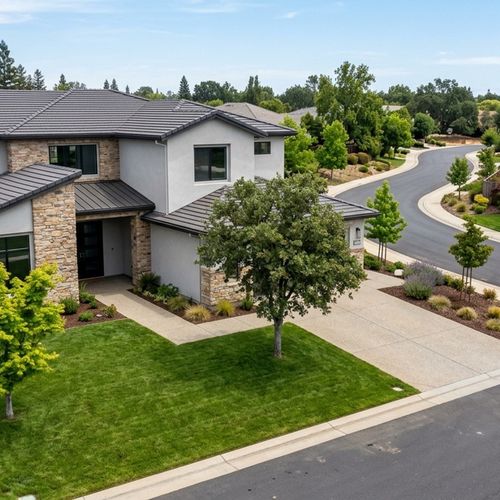


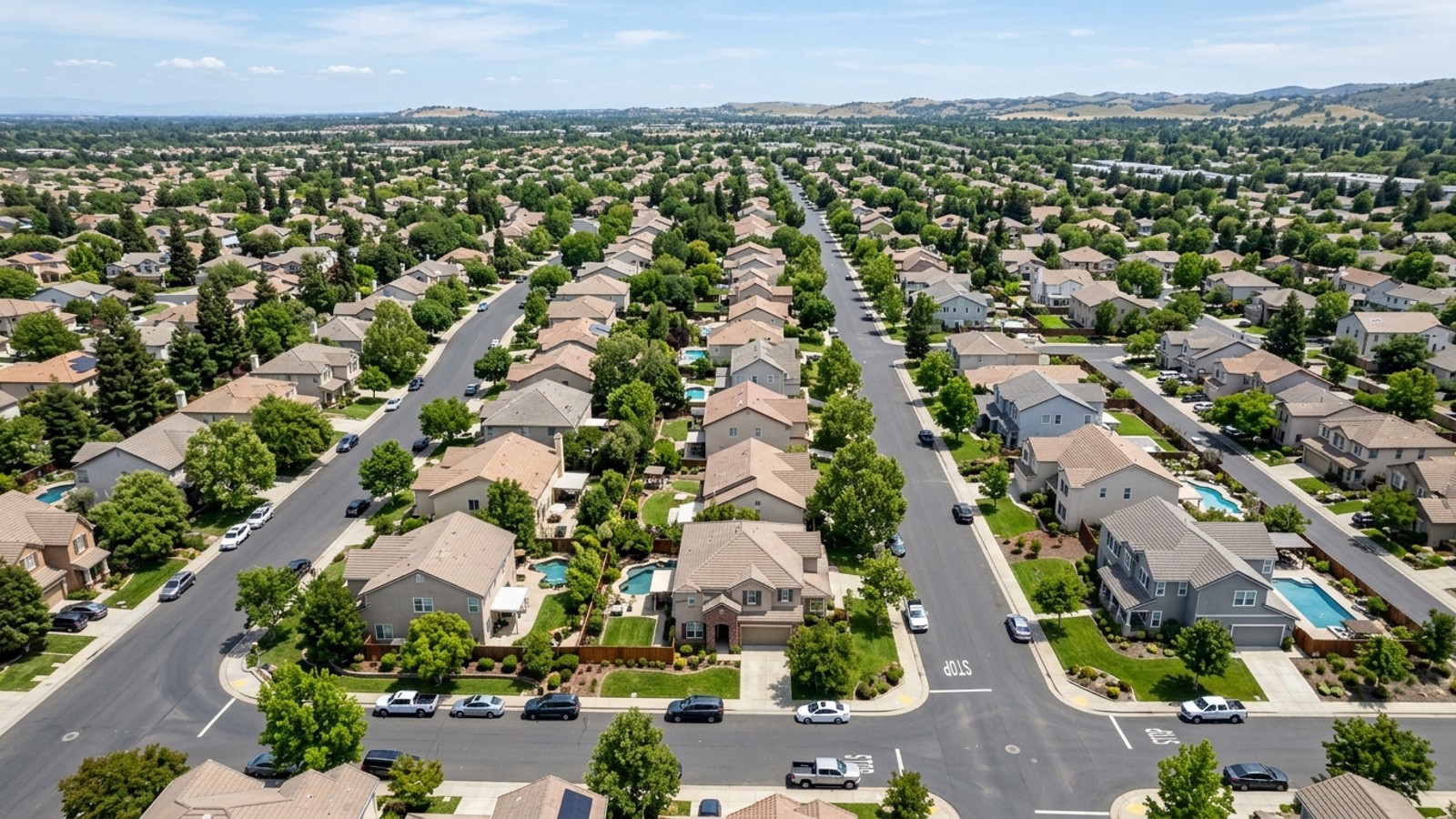
Roseville's population hit approximately 171,058 in 2026, running at a steady 2.25% annual growth rate - and that consistent growth is what keeps housing demand alive in Placer County. The city has roughly doubled in population since 2000, which means there's a durable, self-replenishing pool of renters and buyers driving demand in the Roseville, CA housing market.
Getting into this market means getting honest about the numbers first. Median home prices are sitting around $660,000, and homes are moving in roughly 21 days. You're balancing those acquisition costs against local rent averages and a set of city-specific landlord rules that you need to understand before you close on anything.
Evaluating Roseville as an Investment Market
Two months of supply, nearly 40% of homes closing above asking, and a median sale price of $660,000 as of May 2026 - that's roughly a 3.6% year-over-year increase. This is not a market where you take your time.
On the rent side, estimates vary depending on which source you use. Median rents range from $2,158 to $2,700, and that spread matters when you're running your numbers. Stacking those figures against a $660,000 purchase price will tell you pretty quickly whether a specific property can carry itself.
Population Growth and Tenant Demand
Roseville has grown more than 15% since the 2020 census count of 148,517 residents. That's not a spike - it's a sustained trend, and sustained trends are what landlords rely on.
Consistent population growth keeps vacancy rates lower on well-maintained homes. Landlords pricing near the $2,590 median reported by Zumper for early 2026 tend to see solid interest from prospective tenants without leaving too much money on the table.
Property Taxes in Placer County
California's statewide average property tax rate runs about 0.71%, but Placer County's effective rate is a bit higher at 0.85%. On a typical Roseville home valued near $658,800, that works out to a median annual tax bill of around $5,600.
Here's the part investors often miss: local voter-approved bonds frequently push the total tax rate to roughly 1.02% to 1.04% across many Roseville tax areas. You need to pull the actual rate for any specific parcel you're considering and build it into your carrying costs before you make an offer - not after.
Proven Strategies for Roseville Investment Properties
The right strategy depends on your capital, your timeline, and how hands-on you want to be. Some investors are chasing immediate returns through value-add renovations; others want steady rent checks and long-term appreciation. Neither approach is wrong, but they require very different properties and price points.
Most investors start by running standard rules of thumb to filter listings fast. The formulas aren't perfect, but they keep you from wasting time on deals that can't work in this market.
Buy-and-Hold Rentals
Long-term rentals in Placer County remain the most straightforward strategy - buy a property, place a tenant, and let the rent cover the mortgage, management fees, taxes, and a maintenance reserve.
The 1% and 2% rules are useful screening tools: you're checking whether monthly rent equals 1% or 2% of the purchase price. At Roseville's $660,000 median price and a top-end median rent of $2,700, clearing even the 1% threshold is a stretch without a substantial down payment or a commercial multi-unit setup. That's not a reason to walk away from the market - it's a reason to be precise about which properties you target and how you structure the deal.
House Flipping and Margin Rules
Flipping in Roseville means buying below market value, renovating, and selling for a profit. With 342 active listings and strong buyer competition, finding deeply discounted properties takes real networking and fast decision-making - deals don't sit around waiting.
The standard tool here is the 70% rule: pay no more than 70% of the after-repair value minus your renovation costs. That buffer absorbs unexpected repair bills and closing fees. Skip it, and one bad estimate wipes out your margin.
Short-Term and Month-to-Month Rental Rules
If you're thinking Airbnb or any vacation rental setup in Roseville, the city has a specific framework you have to work within. An annual short-term rental permit and a business license are both required - no exceptions.
Enforcement is active. The city can suspend or revoke permits for noise, parking, or nuisance violations. And at the state level, accessory dwelling units can't be rented on a short-term basis.
Seasonal Minimum Stay Requirements
Roseville limits how long guests can stay in a non-owner-occupied short-term rental. From May through September, the minimum stay is 10 days. The rest of the year, that floor drops to seven days.
If your business model depends on weekend bookings, it doesn't work here. You'd need to shift to longer stays to stay on the right side of local ordinance.
Month-to-Month Furnished Rentals
The minimum stay rules push a lot of investors toward month-to-month furnished rentals instead, and it's a reasonable pivot. Traveling nurses, corporate relocations, families waiting on new construction - there's real demand for a furnished unit on a 30-day minimum lease.
A 30-day minimum keeps you outside the short-term rental permit requirements while often generating a higher monthly rate than a standard unfurnished long-term lease. It threads the needle between flexibility and compliance.
Finding and Financing Your Investment Property
Watching the MLS matters, but so does cultivating off-market relationships. At 21 days on the market, there's no time to get your financing together after you've found a property you like. That work has to be done first.
Sellers here respond to strength - cash, hard money, or a pre-approved conventional investment mortgage. Commercial real estate brokers are also worth knowing, particularly if you're interested in multi-family properties that rarely surface on the public market.
Factoring in Holding Costs
Every month a property sits vacant, it costs you money. Utilities, insurance, and a local tax rate of 1.02% to 1.04% don't pause because a unit is empty.
Properties with significant renovation needs are especially exposed - you're carrying full costs with zero income while the work gets done. Line up your contractors before you close, not after.
Working with Local Professionals
Out-of-state investors almost always end up hiring local property management. These firms take a percentage of monthly rent, but they handle tenant screening, maintenance coordination, and California compliance - which is a real job on its own.
Plugging into a real estate investment association in the Sacramento metro area also helps. The right network gets you to reliable contractors, lenders, and wholesalers faster than searching cold, and it helps you move on deals before someone else does.
Frequently Asked Questions
What are the most profitable neighborhoods for buying rental properties in Roseville, CA?
Profitability comes down to your specific strategy and purchase price, not a single neighborhood. Lower-cost areas might produce better cash flow; higher-priced areas often see stronger long-term appreciation. Run the numbers on individual properties - taxes, potential rent, purchase price - and let those drive the decision.
How do Mello-Roos taxes impact the ROI on new construction investment properties in Roseville?
Mello-Roos taxes are voter-approved local bonds that fund infrastructure in newer developments, and they can push total property tax rates to roughly 1.02% to 1.04% in certain Roseville tax areas. Subtract that full tax burden from your expected rental income when you're calculating ROI - don't use the base rate and assume you're done.
Does Roseville have strict local rent control or eviction laws for landlords?
Roseville doesn't layer on its own rent caps - landlords follow California's statewide framework, including the Tenant Protection Act of 2019. That said, state law is detailed and changes. Talk to a local real estate attorney before you finalize any lease.
Are short-term rentals and Airbnbs legally allowed in Roseville residential zones?
Yes, but with conditions. You need an annual short-term rental permit and a business license. Non-owner-occupied rentals must meet minimum stay requirements of 7 to 10 days depending on the season. State law also prohibits using an accessory dwelling unit as a short-term rental.
How long does it typically take to find a qualified long-term tenant in the current Roseville market?
Roseville's 2.25% annual population growth keeps tenant demand fairly consistent. Well-priced properties near the median rent range of $2,158 to $2,700 typically attract applicants without a long wait. Your actual timeline will depend on condition, pricing, and how you're marketing the unit.
Can I manage a Roseville investment property myself if I live out of state, or is local representation required?
There's no legal requirement to hire local representation. That said, managing a California rental from out of state is genuinely difficult - repairs, tenant issues, and compliance with state law all require someone on the ground. Most out-of-state investors find a local property manager worth the cost.
Check out this article next