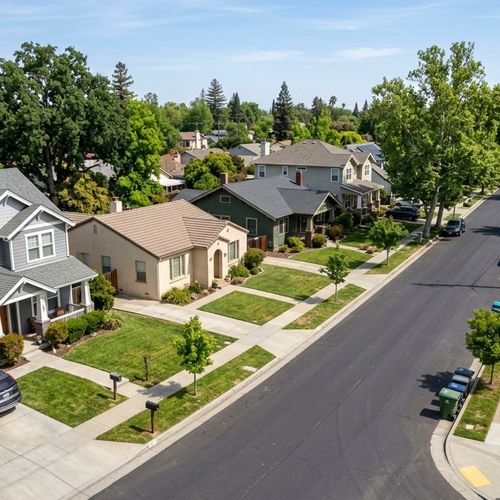


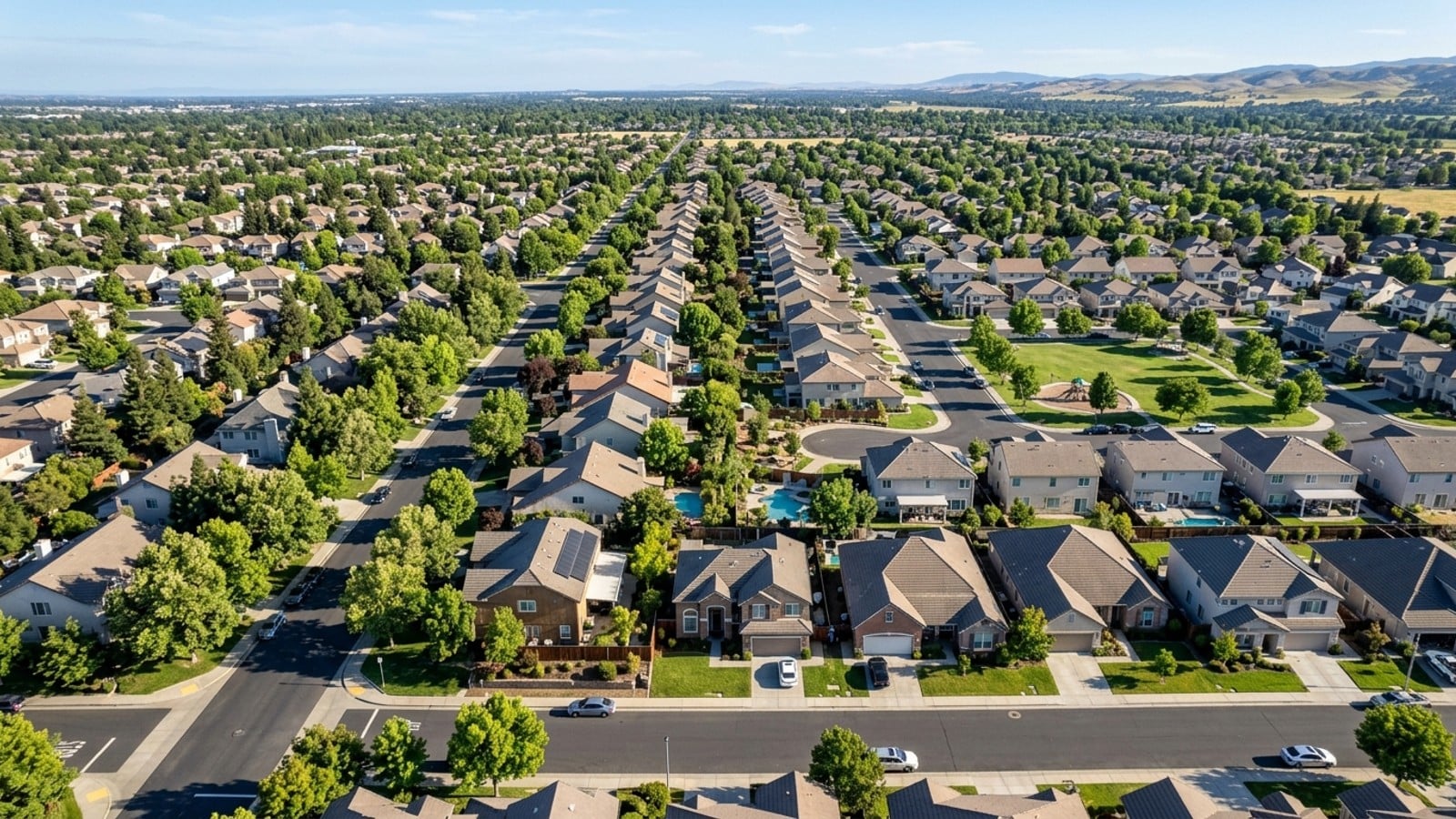
The median sale price for a home in Roseville, CA is right around $660,000, and things move fast here. Homes are spending about 21 days on the market before going under contract, and roughly 38% are selling above list price. If you are a first-time home buyer in Roseville, CA, you need a real number in your head before you walk into a single showing.
And that number is harder to pin down than most people expect. Lenders aren't just looking at your salary - they're evaluating specific financial metrics, and local costs like Placer County property taxes and California insurance rates change the math in ways a generic calculator won't show you. Let's go through all of it.
Figuring Out Your Home Buying Budget in Roseville
Lenders use specific formulas to decide how much they'll let you borrow. They're looking at your monthly income, your existing debts, and the cash you have available for a down payment. Those three things together determine your maximum approval amount - not the number you get from a quick Google search.
The starting benchmark most lenders reference is the 28/36 rule: spend no more than 28% of your gross monthly income on housing costs, and keep all total debts combined under 36%. Some lenders will go higher, but staying close to those thresholds leaves you breathing room for the rest of your life.
One more thing worth knowing before we get into the details: Roseville has roughly two months of available inventory right now. That's not a lot. Having your budget locked down and a pre-approval in hand isn't just good practice - it's the difference between making an offer and watching someone else get the house.
The Math Behind Your Purchasing Power
Mortgage underwriters are looking at your income, your debt, and your credit to land on a maximum loan amount. The goal is making sure your monthly payment is manageable alongside everything else you already owe.
Every buyer's situation is different, but the evaluation always comes down to three components. If you understand what the bank is actually looking at, you can position yourself better before you ever submit an application.
Gross Income and Employment History
Lenders work off your gross monthly income - what you earn before taxes and deductions come out. They also want to see two years of steady employment in the same field, because that consistency tells them your income is real and repeatable.
Self-employed? Commission-based? Underwriters will average your income over the past 24 months, and you'll need tax returns and business bank statements to back it up. There's no shortcut around that documentation.
Debt-to-Income Ratio (DTI)
Your DTI compares your gross monthly income to your required monthly debt payments - car loans, student loans, minimum credit card payments, and the projected mortgage payment all count. Most conventional loans require a DTI below 43%, though some programs allow higher limits for buyers with strong credit profiles.
The practical takeaway: paying down existing debt before you apply directly increases what you can borrow for a house.
Credit Score and Mortgage Rates
Your credit score drives the interest rate you qualify for, and the rate drives everything else. Even a half-percent difference on a $660,000 home moves the monthly payment by a meaningful amount.
Before you apply, pull your credit reports and look for errors. Pay down revolving balances where you can. A little work here can be worth more than months of extra saving.
Estimating Local Costs in Placer County
Generic affordability calculators use national averages for taxes and insurance. Those averages don't apply here, and if you're budgeting off them, you're going to be off.
Your actual monthly payment is principal and interest, plus property taxes and insurance. Leave those local variables out of your math and you'll hit a shortfall you weren't expecting.
Average Home Prices in Roseville
The median sale price in Roseville is around $660,000. Single-family homes typically price higher, while condominiums average closer to $302,500 - a meaningful gap if you're flexible on property type.
Homes are sitting on the market for roughly three weeks before going under contract. In the more popular neighborhoods, multiple offers are the norm, not the exception.
Property Taxes in Placer County
Placer County's effective property tax rate generally runs around 0.8% to 0.85% of the assessed home value. On a median-priced home, that works out to roughly $5,600 a year.
The county starts with California's 1% base rate and then adds voter-approved bonds and direct charges specific to your district. That's why the number varies by neighborhood - and why you need to look at the actual tax bill for any home you're seriously considering, not just the county average.
Homeowners Insurance and HOA Fees
California insurance premiums vary based on location and fire risk, and they've been climbing. Your lender will require proof of insurance before closing, and that monthly premium gets rolled into your payment.
A lot of Roseville neighborhoods also carry HOA fees. Those monthly dues cover community maintenance and amenities, and underwriters are required to include them when calculating your DTI. It's not optional math - they count.
Down Payments and Closing Costs
The cash you need to close isn't just the down payment. There are closing costs on top of that, covering the services required to finalize the loan and transfer the title. Depending on your loan type and financial profile, total upfront cash can range from a few thousand dollars to tens of thousands.
Knowing your targets early gives you a realistic savings timeline.
Standard Down Payment Options
You don't need 20% down to buy a house. Conventional loans often allow as little as 3% or 5%, and FHA loans require a minimum of 3.5%. The tradeoff for putting down less than 20% is private mortgage insurance (PMI), which adds a monthly fee to your payment until you've built enough equity.
It's not a dealbreaker - but you need to account for it in your monthly budget math.
Closing Costs in California
Buyer closing costs in California typically fall between 2% and 5% of the purchase price. On a $660,000 home, that's roughly $13,200 to $33,000 in fees covering lender origination charges, appraisal, title insurance, and prepaid property taxes.
Some buyers negotiate for sellers to cover a portion of those costs. In a competitive market like Roseville, that's a harder ask - sellers have options.
Local Down Payment Assistance Programs
There's more help available than most buyers realize. The California Housing Finance Agency (CalHFA) offers the MyHome Assistance Program, which provides a deferred-payment junior loan for up to 3.5% of the purchase price, along with the Zero Interest Program for closing cost help.
At the local level, the Placer County First-Time Homebuyer Assistance Program offers up to $100,000 in down payment help for households earning up to 150% of the area median income. The City of Roseville also runs Affordable Purchase Programs for income-qualified households, with a requirement that housing costs stay between 30% and 40% of monthly income. These programs have income limits and other requirements, so look into them early rather than as an afterthought.
How to Increase Your Purchasing Power
If the math isn't lining up with the homes you want, you have real options. Paying down existing auto loans or credit card balances lowers your DTI directly, which frees up more of your monthly income for a mortgage payment.
Your credit score is the other lever. Paying bills on time, keeping utilization low, and correcting any errors on your report can get you to a meaningfully lower interest rate - which compounds across the life of a loan.
And if you're flexible on property type, that flexibility is worth money. Condos and townhomes come in at lower price points while still keeping you in the Roseville area. It's worth knowing what you'd be trading before you rule it out.
Frequently Asked Questions
What salary do I need to make to afford an average home in Roseville, CA?
It depends on your current debts and down payment. Because the median home price in Roseville is around $660,000, buyers should consult a lender to run their specific Debt-to-Income ratio and determine the exact salary required for their target price point.
How do Mello-Roos taxes in West Roseville affect my monthly mortgage budget?
Placer County calculates property taxes using a base rate plus voter-approved bonds and direct charges, which often include Mello-Roos fees in certain neighborhoods. Because lenders include these direct charges in your DTI calculation, higher tax bills will reduce the maximum loan amount you can qualify for.
Are there any down payment assistance programs for first-time buyers in Roseville?
Yes. The Placer County First-Time Homebuyer Assistance Program offers up to $100,000 in down payment help for buyers earning up to 150% of the area median income. Buyers can also look into statewide CalHFA options like the MyHome Assistance Program.
How much do typical Roseville HOA fees reduce my maximum pre-approved loan amount?
Lenders count HOA fees as a required monthly debt. If a Roseville neighborhood has a monthly HOA fee, that amount is subtracted from the cash you have available for principal and interest, which directly lowers your maximum purchase price.
Which neighborhoods in Roseville currently offer the most affordable homes?
Condominiums generally offer the lowest entry point, averaging around $302,500 compared to the $660,000 median for single-family homes. Buyers seeking lower price points often focus on attached housing options rather than detached properties.
How do rising California home insurance premiums impact my Roseville mortgage qualification?
Higher insurance premiums increase your total monthly housing payment. Since underwriters use this total payment to calculate your DTI, a more expensive insurance policy will slightly reduce the amount you can borrow.
Check out this article next