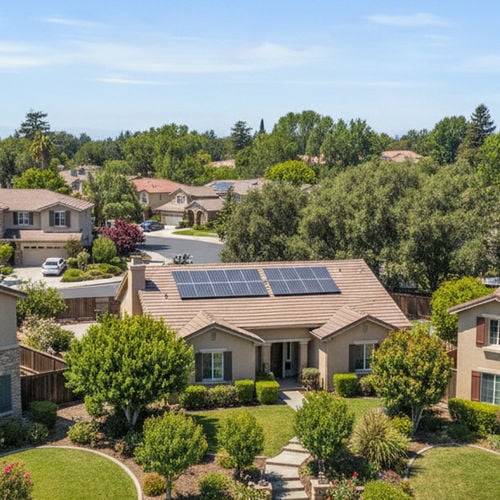



The Roseville real estate market presents a dynamic environment for buyers navigating the current 2026 landscape. With median home prices hovering around $720,000, saving for a traditional down payment requires substantial time and capital. A standard 3.5% down payment translates to roughly $25,200 out of pocket, before factoring in standard closing costs.
Fortunately, multiple financial pathways exist to bridge this affordability gap. Homebuyer assistance programs in Roseville CA provide critical leverage through deferred loans and grants. Understanding how these local and state funds operate is the first step toward securing a property in Placer County.
Navigating Homebuyer Assistance Programs in Roseville, CA
The landscape of down payment assistance operates across city, county, and state levels. Each governing body manages distinct funding pools with unique qualification standards and maximum loan amounts. Buyers often utilize deferred-payment loans, which significantly reduce the upfront cash required at the closing table.
Keeping more of your personal savings accessible means you have a stronger emergency fund for unexpected maintenance after moving in. Buyers should always prioritize applying for state-level CalHFA programs first, as local county funds tend to deplete much faster throughout the fiscal year. Securing the most stable funding source early in the process prevents deal-breaking delays during escrow.
Placer County First-Time Homebuyer Assistance
The Placer County down payment assistance program recently expanded in early 2026 to offer enhanced support. Eligible buyers can now secure up to $100,000 in assistance via a deferred loan featuring a fixed 3% interest rate over a 30-year term. This massive injection of upfront capital drastically lowers the principal balance of the primary mortgage.
Lowering the principal balance directly reduces the monthly mortgage payment, making homeownership mathematically feasible for moderate-income earners. It is important to note that this specific program applies primarily to unincorporated areas of Placer County. Buyers must carefully verify exact property boundaries with their agent to ensure the home qualifies for this specific fund.
CalHFA MyHome and State-Level Options
State-level resources provide excellent coverage for properties located within the incorporated city limits. The CalHFA MyHome Assistance Program offers a deferred junior loan of up to 3.5% of the total purchase price or appraised value. On a $700,000 home, this 3.5% equates to approximately $24,500, which effectively covers the entire down payment requirement for a standard FHA insured loan.
Another notable state option is the California Dream For All Shared Appreciation Loan, which caters specifically to first-generation buyers. These deferred loans require no monthly payments on the assistance amount until the home is eventually sold or refinanced. This structure allows buyers to focus entirely on their primary mortgage obligation without juggling multiple monthly bills.
City of Roseville Local Housing Initiatives
The City of Roseville operates its own Housing Authority and actively utilizes federal HOME funds to support low-income buyers. Local guidelines are notably flexible, allowing individuals like a displaced homemaker to qualify under the first-time buyer definition. The city also maintains a strict 10% Affordable Housing Goal, which requires developers to designate a portion of new construction for moderate-income buyers.
These city-specific properties often align perfectly with local down payment assistance requirements. Furthermore, city funds can frequently stack with state programs like CalHFA. Combining multiple resources allows buyers to maximize their total financial benefit and further reduce their out-of-pocket closing costs.
Objective Eligibility Criteria for Roseville Buyers
Qualifying for financial assistance requires strict adherence to income and property guidelines. The baseline definition of a first-time homebuyer is an individual who has not owned a primary residence at any point in the past three years. This objective standard applies across almost all state and local programs, regardless of the funding source.
Buyers must verify their household size and total gross income with absolute precision before falling in love with a specific property. Exceeding the stated income limit by even one single dollar results in an immediate denial from the underwriter. Minimum credit score requirements typically range from 580 to 620 depending on the specific primary mortgage product being used.
Income Limits: Placer County restricts some local programs to 150% of the Area Median Income, which currently sits at approximately $181,200 for a family of four. State-level CalHFA limits for the county extend slightly higher, reaching up to $196,000.
Property Types: Eligible properties generally include traditional single-family homes, townhomes, and approved condominiums.
Location Boundaries: The property must physically reside within the specific city or county limits dictating the funding source.
Step-by-Step Guide to the Application Process
Securing down payment funds requires a methodical approach to the mortgage application process. Standard financial institutions cannot originate CalHFA or local county assistance loans, making your choice of lender critical. You must work directly with a state or county-approved participating lender to access these specific funding pools.
Never make an offer on a home before securing a full pre-approval from a certified participating lender. Sellers and listing agents actively prioritize buyers who have their specialized funding thoroughly verified. Following a structured timeline ensures your application moves through underwriting without unnecessary delays.
Step 1: Complete a mandatory HUD-approved homebuyer education course. These comprehensive classes typically take 8 hours and are universally required for government assistance programs.
Step 2: Obtain a formal pre-approval from a qualified participating lender who understands the nuances of local deferred loans.
Step 3: Join any necessary interest lists or waitlists, which is especially important for highly sought-after Placer County funds.
Step 4: Execute a purchase contract on an eligible property and finalize the underwriting process with your loan officer.
Contextualizing Your Home Purchase in Roseville
Purchasing a home in Roseville offers distinct geographical and infrastructural advantages. The city provides immediate proximity to Interstate 80 and Highway 65, creating straightforward access to Sacramento and broader regional employment hubs. Commute times via Highway 65 can fluctuate heavily during rush hour, so buyers should physically test their drive before committing to a specific subdivision.
The area features robust local amenities, including the extensive recreational facilities at Mahany Park and premier retail options at the Westfield Galleria. These objective municipal features add tangible value to the local housing market and support long-term property retention. Buyers also benefit from established educational boundaries, specifically the Roseville City School District and the Roseville Joint Union High School District.
Frequently Asked Questions
Do I have to pay back down payment assistance in Roseville?
Yes, the majority of down payment assistance programs function as deferred second mortgage loans rather than free grants. You are required to repay the principal balance, and any accrued interest, when you eventually sell the property or refinance the primary mortgage. For example, a $24,500 CalHFA assistance loan remains attached to the property title until one of those triggering events occurs.
Can I use an FHA loan with the Placer County assistance program?
Yes, local assistance funds are explicitly designed to pair with government-backed first mortgages like an FHA insured loan. The assistance covers the mandatory 3.5% down payment requirement, allowing buyers to secure the home with minimal out-of-pocket cash. You must ensure your participating lender is authorized to originate both the FHA loan and the county assistance product.
Am I a first-time homebuyer if I am recently divorced?
Many programs include an exception for a displaced homemaker who previously owned a home with a former spouse. Assuming you do not qualify for assistance without consulting a professional is the biggest financial mistake a buyer can make. Local programs administered by the City of Roseville frequently recognize this status to help individuals re-enter the local housing market.
Check out this article next