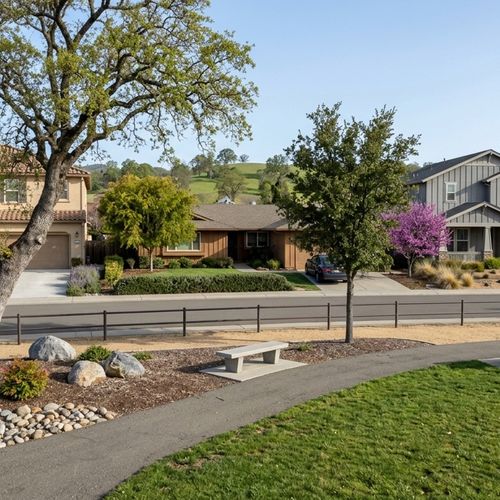


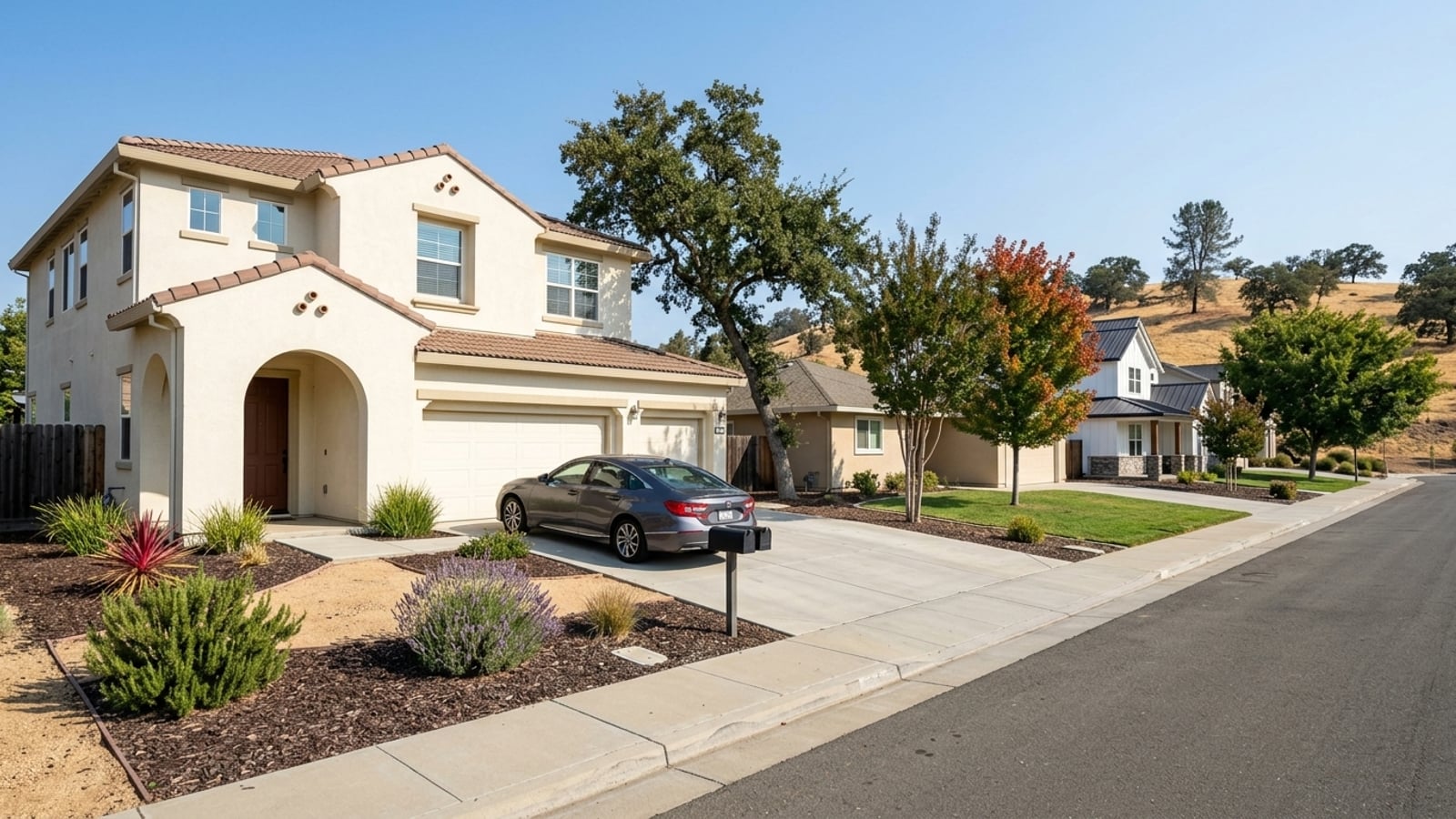
Folsom sits in Sacramento County and reached an estimated population of 91,983 in late 2025. If you're considering buying a home in Folsom or the broader Sacramento metro area, you're probably already running the mental checklist - housing costs, parks, commute times, whether the city functions like a city. That's what this is for.
Relying on what someone at a dinner party told you about Folsom will only get you so far. The data tells a more useful story, and that's where we'll start - from Sacramento metro home prices to what you'll pay for utilities once you close.
What to Know Before Moving to Folsom
Every city involves tradeoffs. Folsom's are specific enough that most buyers know pretty quickly whether they're a fit - or whether they'd rather be closer to downtown Sacramento.
Pros of Living in Folsom
Folsom runs its own show. The city manages its own water, wastewater, solid waste, police, and fire departments, so you're not waiting on Sacramento County to handle your basic services. That's not a small thing. You also get direct access to Folsom Lake and Lake Natoma, which anchors a lot of the outdoor recreation in the area.
On the housing side, inventory across the Sacramento metro area sits at around 5,150 available homes. That gives you real options - established neighborhoods, newer developments, a range of lot sizes. The local economy and proximity to the state capital mean steady employment access for a lot of buyers.
Cons of Living in Folsom
The Sacramento metro median sale price is around $596,000. You'll need a solid budget, and that's before California's broader cost of living enters the picture.
Commute times into central Sacramento can pile up during peak hours. And if your employer is on the far side of the metro, you should know that about 3.79% of the local workforce experiences commutes longer than 90 minutes.
Folsom's Location and Size in Sacramento County
Folsom covers roughly 30.15 square miles total - 27.88 square miles of land and 2.27 square miles of water. It sits in the Sierra Nevada foothills, east of downtown Sacramento. The foothills location shapes a lot of things here, from the landscape to the weather to the wildfire risk we'll get to later.
Commuting to Sacramento
The average commute time for Folsom workers is 26.6 minutes, which lines up almost exactly with the national average of 26.4 minutes. Most residents work somewhere within the broader metro area, so that number holds up reasonably well.
That said, Highway 50 is the artery, and it behaves like one. If your office is downtown, map your actual route during morning hours before you commit to a neighborhood - the 26.6-minute average doesn't capture what a bad day on 50 feels like.
Population and Growth
The population hit an estimated 91,983 by mid-2025, up from 80,454 during the 2020 Census. That's a meaningful jump in a short window, and it's pushed new housing construction and infrastructure expansion. The city's 30-plus square miles of land area gives room for both residential development and large open spaces like the Folsom Lake State Recreation Area - they're not fighting each other for the same land.
Crime Statistics and Local Data Sources
The FBI's Uniform Crime Reporting (UCR) data for the 2024 calendar year - released in late 2025 - puts Folsom's total crime rate between 1,635.5 and 1,637.8 per 100,000 residents. That's the most current official figure you'll find.
Recent Crime Rates
Within that total, the violent crime rate landed somewhere between 183 and 185.7 per 100,000 residents. Both figures come in well below California and national averages.
The Folsom Police Department submits its annual data to the California Department of Justice and also publishes weekly crime statistics dashboards for public review. That kind of transparency is useful - it means you're not stuck waiting for annual reports if you want a more current read.
Researching Local Neighborhood Data
If you want to dig into specific streets or intersections, the Folsom Police Department's Community Crime Map lets you query and map selected incidents across the city. Use it. Don't rely on what a neighbor told you about a block they drove through once - check the map, look at the data, and draw your own conclusions about any area you're seriously considering.
Cost of Living and Housing Prices
The median household income in Folsom is $139,804, according to recent Census estimates. That number matters here because housing costs in this region demand it.
Sacramento Metro Home Prices
The broader Sacramento metro area currently sits at a median sale price of approximately $596,000. Homes are spending an average of 33 days on the market before selling, with about 2.7 months of supply available and a sale-to-list ratio of 99.2%. Nearly 29% of homes are selling above asking price.
That last number is the one most buyers underestimate going in. If you're planning to offer at list and see what happens, you'll want to recalibrate that strategy.
Income and Everyday Costs
California's baseline costs for groceries, utilities, and transportation are what they are - Folsom doesn't exempt you from any of it. Because the city manages its own utilities, you'll pay for water, wastewater, and solid waste directly to the city rather than through a county system. Ask sellers for past utility bills before you close. It's a simple thing to request, and it gives you a much clearer picture of monthly carrying costs than any estimate will.
Community Services and Local Demographics
Folsom handles a full range of municipal services in-house - public works, planning, parks, library services, all of it. For residents, that means a more direct line between the city and the infrastructure you use every day.
Age Profile and Demographics
The median age in Folsom is 41 years old. Children under 5 make up 4.8% of the population; residents under 18 account for 22.7%. Residents 65 and over represent 14.8%. That's a fairly spread demographic profile, and the housing stock reflects it - you'll find properties suited to different life stages without having to search too hard.
Civic Life and Utilities
Because Folsom operates as a full-service city government, residents don't depend on Sacramento County for basic municipal utilities or emergency services. Police and fire operate under city jurisdiction. The city handles its own infrastructure upgrades and zoning, which matters when you're thinking long-term about how a neighborhood is likely to develop. Local control over planning tends to produce more consistent outcomes than deferring everything to the county.
Climate, Recreation, and Environment
Folsom Lake and Lake Natoma are the center of gravity for outdoor recreation here. They sit in the Sierra Nevada foothills and draw people year-round, not just in summer.
Weather and Natural Hazards
Summers are hot and dry; winters are mild and wet - standard Northern California foothill pattern. Before you close on anything near the lakes or rivers, review the property disclosures for flood zone designations.
Wildfire risk is real throughout the Sierra Nevada foothills, and it directly affects insurance. Premiums have shifted across California, and Folsom isn't insulated from that. Verify your coverage options and costs early in the escrow process - don't leave it for the week before closing.
Parks and Outdoor Amenities
The Folsom Lake State Recreation Area wraps around the main reservoir and is managed by California State Parks. It includes the Beals Point Campground and the Folsom Lake Marina, along with the outdoor infrastructure you'd expect from a major state recreation area.
There's also a 32-mile bicycle path connecting the recreation area all the way to Old Sacramento. That's not a small amenity - for buyers who commute by bike or just want off-road exercise routes, it's a genuine feature of living here.
Comparing Folsom to Sacramento
Buyers going through this process almost always end up asking the same question: do I buy in Folsom or get closer to downtown Sacramento? It's a legitimate question, and the honest answer is that it depends entirely on your daily routine.
Commute Times and Housing Types
Sacramento gives you shorter commutes if you work downtown, and it has higher-density options - condos, historic bungalows, that sort of thing. Folsom gives you more single-family homes on larger lots, with the tradeoff of more drive time to the city center. The 26.6-minute average commute for Folsom residents is a blended number that includes people driving locally and people heading into the capital.
Before you decide, map your actual workplace from the neighborhoods you're considering. Do it during morning traffic, not on a Sunday afternoon. That single step will answer more than any average commute statistic can.
Specialized Housing: Senior, Assisted, and Sober Living
The local market includes property types that go beyond the standard single-family and condo inventory. With 14.8% of residents aged 65 or older, there's real demand - and real supply - for specialized care options.
Assisted Living and Senior Care
Folsom has dedicated assisted living properties within the city limits, ranging from independent living apartments to full-time care environments. Zoning accommodates these facilities near local medical offices and shopping centers. If you're relocating older relatives, you'll want to tour individual facilities directly to understand their specific care tiers and monthly costs - there's meaningful variation between them.
Sober Living Environments
Sober living environments also operate within the city, providing structured, substance-free residences for individuals in recovery programs. These properties serve as an intermediate step between formal treatment and independent living. State law and local regulations govern how they operate within residential neighborhoods.
Local Amenities by Life Stage
The city funds parks, libraries, and community facilities through property taxes and municipal fees, and the range of what's available covers most life stages reasonably well.
Parks and Educational Facilities
The parks and recreation department manages green spaces, sports fields, and community centers throughout the city. These aren't passive amenities - they host local events and get regular daily use. With 22.7% of the population under 18, there's consistent demand for them.
On schools: educational facilities operate throughout the city, but attendance zones can and do shift. Verify your specific school boundaries directly with the district before you make a decision based on a particular school.
Healthcare and Civic Amenities
Medical offices and urgent care centers operate within Folsom, which means routine appointments don't always require a trip into Sacramento. For a city of this size, that's a practical advantage. The municipal library system and community planning offices round out the civic infrastructure. These aren't flashy selling points, but they're the kind of services that matter once you're living somewhere.
Frequently Asked Questions
Is Folsom, CA a good place to live?
For buyers who want a city with its own municipal services and real outdoor recreation access, it checks a lot of boxes. You've got Folsom Lake and Lake Natoma right there. The tradeoff is that Sacramento metro median home prices are sitting around $596,000, so your budget needs to be in order.
What are the cons of living in Folsom?
Housing costs and commute times are the two that come up most. The average local commute is 26.6 minutes, but that number smooths over the reality of peak-hour traffic on Highway 50. California's overall cost of living is the other piece that catches some buyers off guard.
Is Folsom expensive to live in compared to the greater Sacramento area?
It depends on the specific property, but the broader Sacramento metro median home sale price is roughly $596,000, and Folsom's median household income of $139,804 reflects the income level the market tends to attract. The costs are real, but so is what you're getting.
What do the crime statistics show for Folsom, CA?
The most current FBI UCR data, covering the 2024 calendar year, puts Folsom's total crime rate between 1,635.5 and 1,637.8 per 100,000 residents. The violent crime rate was roughly 183 to 185.7 per 100,000. Both figures fall below state and national averages.
Is Folsom or Sacramento a better fit to live in?
That genuinely depends on your daily routine and what you want in a home. Folsom offers more single-family homes near large state recreation areas. Sacramento offers shorter downtown commutes and higher-density housing options. Map your commute from both before you decide.
What housing options and amenities does Folsom offer for retirees and seniors?
The city has dedicated senior and assisted living facilities, backed by a population where 14.8% of residents are 65 or older. Seniors also benefit from city-managed utilities, local medical offices, and municipal library services - enough day-to-day infrastructure that you don't need to make every errand a trip into Sacramento.
Check out this article next