



Wondering where home prices are headed? Stay informed with the Made 4 More app and get access to accurate, up-to-date listings so you can make confident real estate decisions—without hidden fees or your personal information being sold.
Are you waiting for home prices to crash before making a move?
You’re not alone. Some buyers are hoping for a major drop in prices, while others are worried one could be right around the corner. But what happens when you step away from the headlines and look at what housing experts are actually forecasting?
The latest projections don’t point to a nationwide housing crash. Instead, experts surveyed by Fannie Mae continue to anticipate home price growth in the years ahead, although the pace of that growth is expected to vary.
So, should buyers keep waiting? And what does this mean for sellers and real estate agents?
Let’s break it down.
The Housing Crash Everyone Is Waiting For May Not Be Coming
There’s a big difference between home prices growing more slowly and home prices falling dramatically.
That distinction matters.
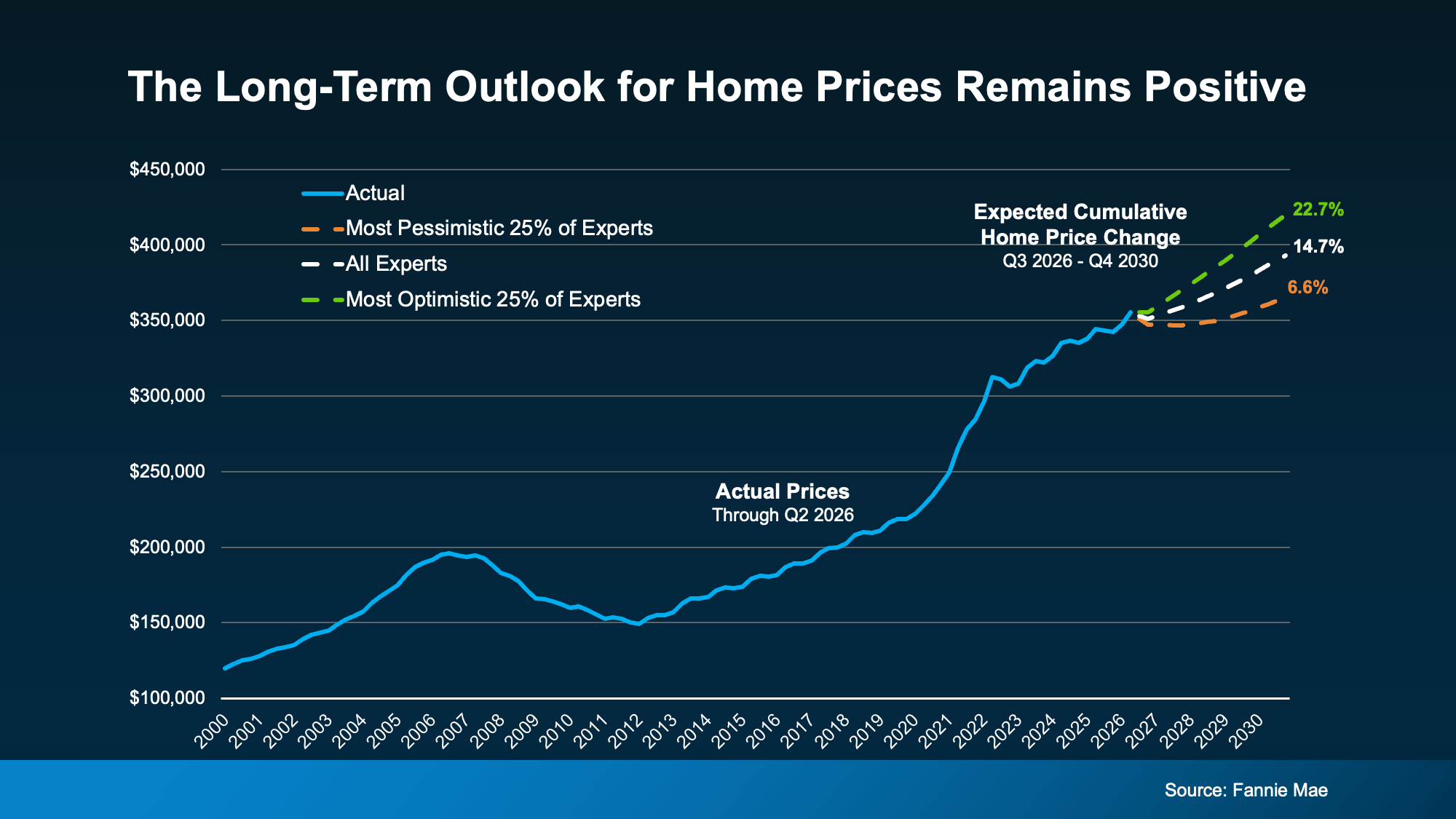
According to the housing expert survey referenced in the latest forecast, the panel expects home prices to continue increasing through the end of the decade. The average five-year projection calls for approximately 14.7% cumulative growth through 2030.
Even the more pessimistic group in the survey still projected price growth, at roughly 6.6% through 2030.
In other words, the conversation isn’t really about whether prices will suddenly collapse. It’s more about how quickly they may grow.
That’s a much different housing story.

Slower Growth Doesn’t Mean Falling Prices
Think of the housing market like a car.
A driver can take their foot off the gas without putting the car in reverse.
That’s essentially what a slower housing market can look like. Prices may appreciate at a more moderate pace while buyers gain more negotiating room and the market moves toward a healthier balance.
The latest projections reflect that kind of moderation.
Some future annual growth estimates have been revised downward compared with what experts expected a year ago. But the important distinction is that the projections still show positive price growth rather than a broad decline.
For buyers waiting for a massive price drop, that could be an important consideration.
National Forecasts Aren’t Your Local Market
Here’s where things get really important.
National housing forecasts are useful for understanding the big picture, but real estate is local.
What happens in Sacramento may look different from what happens in Phoenix, Dallas, Seattle, or Miami. Even within the same metro area, one neighborhood can outperform another based on inventory, employment, school districts, new construction, demand, and other factors.
That’s why a national headline should never be the only thing guiding your next real estate decision.
Want to know what prices are doing? Look at your neighborhood, your price range, and your specific market conditions.
What Happens If You Keep Waiting?
This is the question buyers really need to ask.
If you’re waiting for prices to fall, what happens if they don’t?
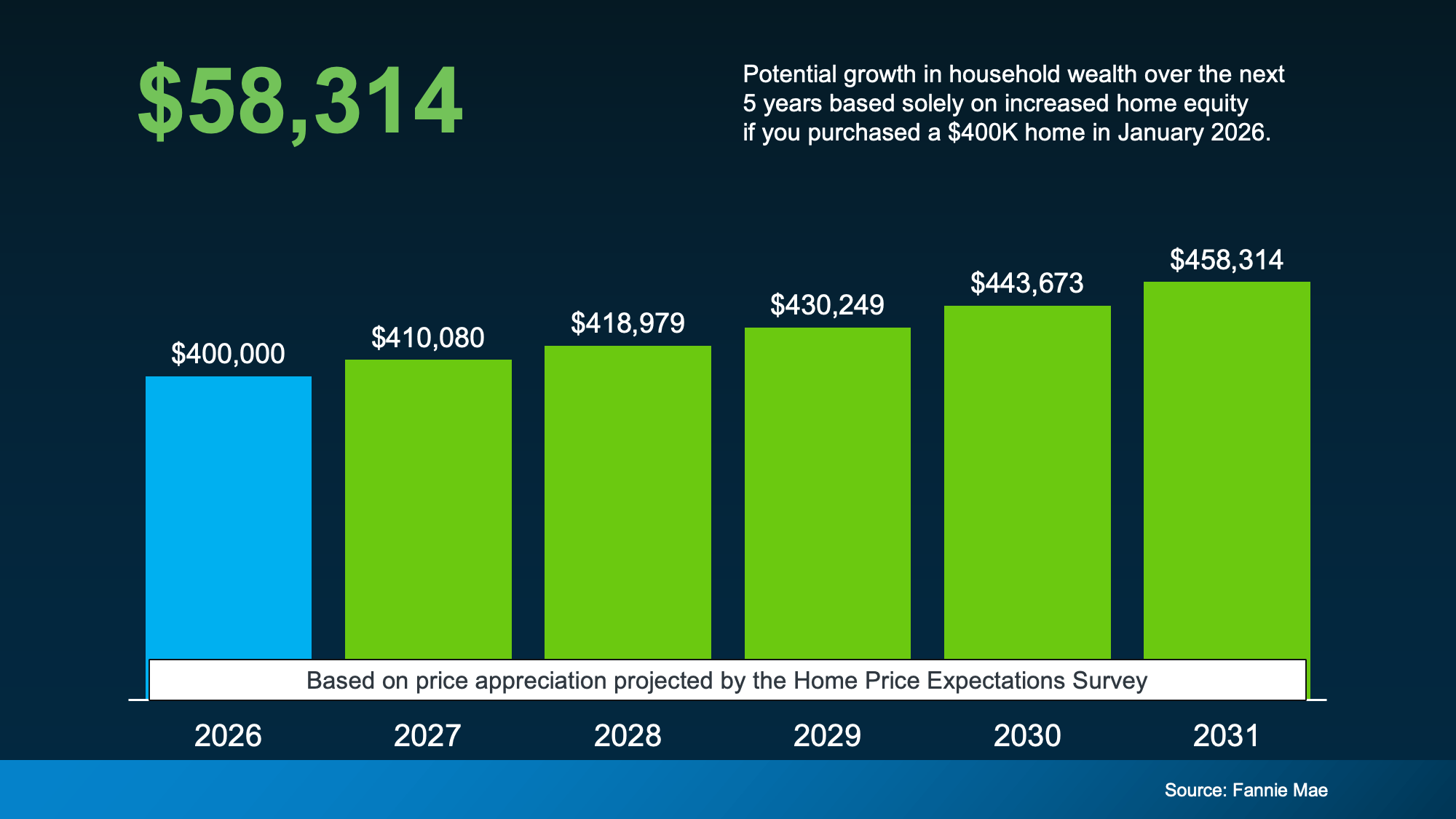
Let’s use a simple example. If a $400,000 home were to appreciate by the roughly 14.7% cumulative amount reflected in the panel’s five-year average projection, that would represent about $58,800 in additional value over five years, assuming the forecast were realized.
That doesn’t mean every home will gain exactly that amount. Forecasts are not guarantees, and actual appreciation can vary significantly by location and market conditions.
But it illustrates the tradeoff: waiting for a crash can have an opportunity cost if prices continue rising.
And there’s another piece to consider—mortgage rates, inventory, competition, and your personal financial situation can all change while you wait.
What This Means for Sellers
Sellers shouldn’t assume a rising market means they can simply name any price and expect buyers to show up.
Today’s buyers are still paying attention to value.
Pricing strategically, presenting the property well, marketing it effectively, and understanding current competition can make a meaningful difference.
A market with moderate appreciation can actually reward sellers who have a strong strategy rather than simply relying on market momentum.
Don’t Let Fear Make the Decision for You
Whether you’re hoping for a housing crash or worried about one, it’s easy to get caught up in predictions.
But real estate decisions are rarely that simple.
Instead of trying to perfectly time the market, focus on the numbers you can actually control: your budget, financing, timing, neighborhood, and long-term goals.
The latest expert projections point toward continued national home price growth rather than a broad housing crash, but your local market tells the more important story.
Want to know what the market means for your next move? Call or text us at 855-935-MORE.
Check out this article next