



Don’t let confusing mortgage rates or bad data keep you from finding the right home! Download the Made 4 More app for accurate listings and better home-buying information—without your personal information being sold. Know your options, find the right home, and shop with confidence. Get started today!
Seeing mortgage rates in the headlines can make buying a home feel like a moving target.
One day, rates are up. The next, they’re down. Then social media tells you that you should wait, buy now, refinance later, or somehow time the market perfectly.
But here’s the part that often gets missed: the mortgage rate you see online isn’t necessarily the rate you’d actually get.
Your mortgage rate is personal. Think of the rate in a headline as a starting point—not a quote with your name on it.
So, what actually determines your rate?
Your Mortgage Rate Depends on More Than the Headline
Mortgage lenders look at your individual financial picture when determining the rate and loan terms you may qualify for.
That means two buyers shopping for the exact same home could potentially receive different mortgage offers.
Why? Several factors come into play.
Your Credit Score
Your credit history can influence the mortgage options available to you. Lenders may consider things like your payment history, credit utilization, and the length of your credit history.
Generally, a stronger credit profile can give you access to more favorable loan terms.
That’s why it can be worth reviewing your credit before you start shopping for a home. A few months of preparation could make a difference in your financing options.
Your Debt-to-Income Ratio
Your debt-to-income ratio, or DTI, compares your monthly debt payments with your gross monthly income.
Think of it as a snapshot of how much of your income is already spoken for.
If a large portion of your income goes toward existing debt, it can affect how much you qualify to borrow and the loan terms available to you.
Before you start touring homes, talk with a lender about your DTI and what you can realistically afford.
Your Down Payment and Loan-to-Value Ratio
How much you put down can also affect your financing.
Your loan-to-value ratio, or LTV, represents the size of your mortgage compared with the home’s value or purchase price, depending on the loan structure.
A larger down payment generally means you’re borrowing less relative to the home’s price. However, the right down payment isn’t necessarily the biggest one you can afford.
Why drain your savings just to put more money down?
Your lender can help you understand how different down-payment amounts could affect your payment, loan costs, and overall financial picture.
The Loan Program You Choose
Not every mortgage is the same.
Conventional loans, FHA loans, VA loans, and other financing options can have different requirements, costs, and interest-rate structures.
Your lender can compare the programs you may qualify for and explain how each one could affect your monthly payment and upfront costs.
This is why simply searching for “today’s mortgage rate” doesn’t tell you the whole story.
You’re not shopping for a headline. You’re choosing a financing strategy for your specific situation.
The Rate You See May Not Be the Rate You Keep
Even after you find the right loan program, there are still other factors to consider.
For example, you may hear about a mortgage rate buydown.
A buydown can involve paying an upfront cost in exchange for a lower interest rate, depending on the structure of the program. In some transactions, a seller or builder may contribute toward eligible costs as an incentive.
There are also seller concessions, where the seller may contribute toward certain buyer closing costs, subject to the terms of the transaction and applicable loan-program rules.
That could potentially free up some of your cash for other priorities.
The important thing? Don’t assume you know your options based on what you saw on Instagram, TikTok, Google, or a news headline.
Your Lender Can Tell You What Your Numbers Actually Look Like
Want to know what kind of rate and payment you might qualify for?
Start with a conversation with a qualified lender.
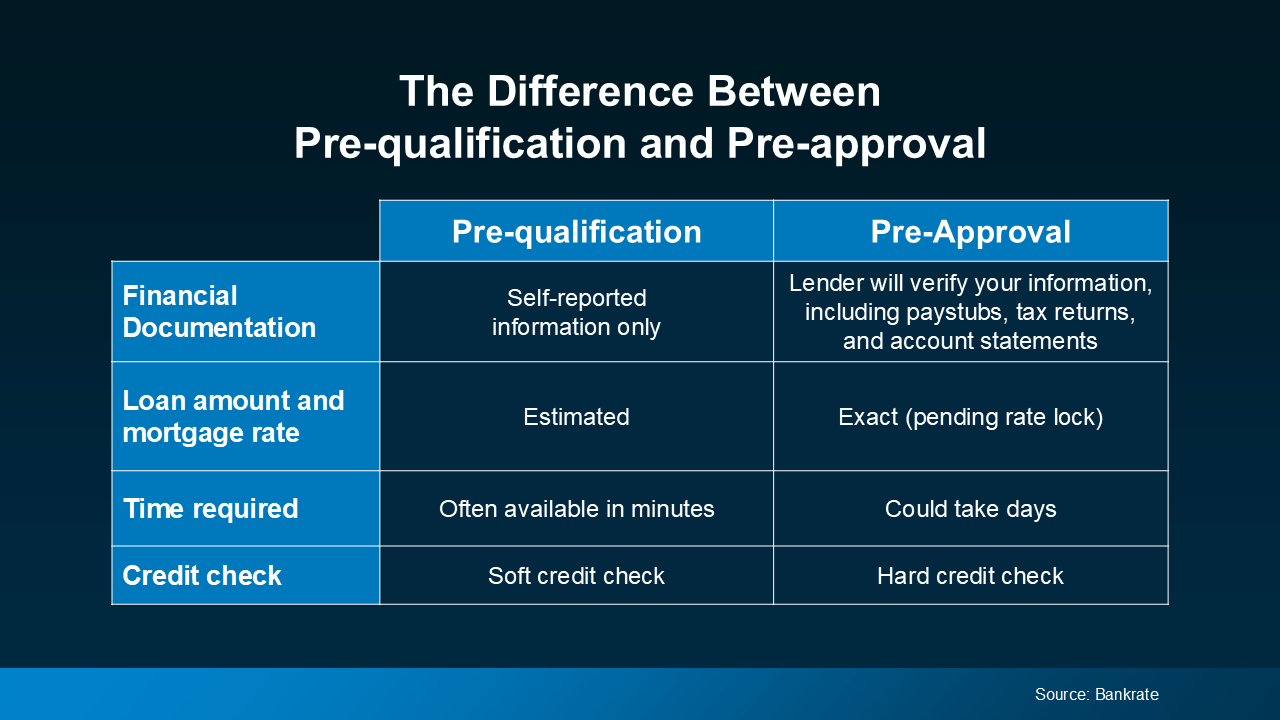
You may hear the terms pre-qualification and pre-approval used interchangeably, but they aren’t necessarily the same.
A pre-qualification is generally an initial estimate based on information you provide.
A pre-approval typically involves a lender reviewing and verifying more of your financial information and can give you a clearer picture of your potential purchasing power.
Your lender can explain exactly what their process requires and what documentation you’ll need.
And once you have those numbers, you can start making decisions based on your situation—not someone else’s.

Before You Buy, Ask These Questions
Don’t be afraid to make your lender part of the conversation early.
Ask:
- What price range fits my current financial situation?
- How would different down-payment amounts affect my payment?
- What loan programs might I qualify for?
- How would a change in mortgage rates affect my buying power?
- Would a rate buydown make sense for my situation?
- What closing costs should I expect?
- What would change if I waited 3, 6, or 12 months?
- How much cash should I keep in savings after closing?
These questions can turn a confusing mortgage conversation into an actual game plan.
Don’t Let a Headline Make the Decision for You
Mortgage rates matter. There’s no getting around that.
But the rate you see online is only one piece of the home-buying puzzle.
Your credit, debt, down payment, loan program, closing costs, and other factors can all affect your financing options. And because every buyer’s situation is different, the best way to understand your numbers is to talk with a lender who can review your specific circumstances.
Maybe you’ll discover you’re ready to buy sooner than you thought. Maybe you’ll decide you need more time to prepare.
Either way, knowing your options puts you in a much better position than guessing based on a headline.
Ready to see what your home-buying options could look like? Call or text Made 4 More at 855-935-MORE.
Check out this article next