



Seeing more price reductions? Don’t rely on outdated listings or incomplete data when you’re looking for your next home. Download the Made 4 More app for accurate listings, spot opportunities, and find homes that fit your goals—without hidden fees or your information being sold. Get started today and shop with confidence!
If you’ve been watching the real estate market lately, you’ve probably noticed something: price cuts are showing up everywhere.
But what does a price reduction actually mean?
For sellers, seeing that “Price Reduced” label can feel like a warning sign. Did they price too high? Is the home sitting too long? Are buyers not interested?
For buyers, a price cut can raise a completely different question: What’s wrong with the house?
The truth is usually much simpler.
In today’s housing market, price cuts are often less about something being wrong with a property and more about sellers adjusting to changing buyer demand, mortgage rates, competition, and affordability.
So, if you’re thinking about buying or selling, here’s what those price reductions can tell you about the market—and how you can use that information to make a smarter move.
More Sellers Are Cutting Their Asking Prices
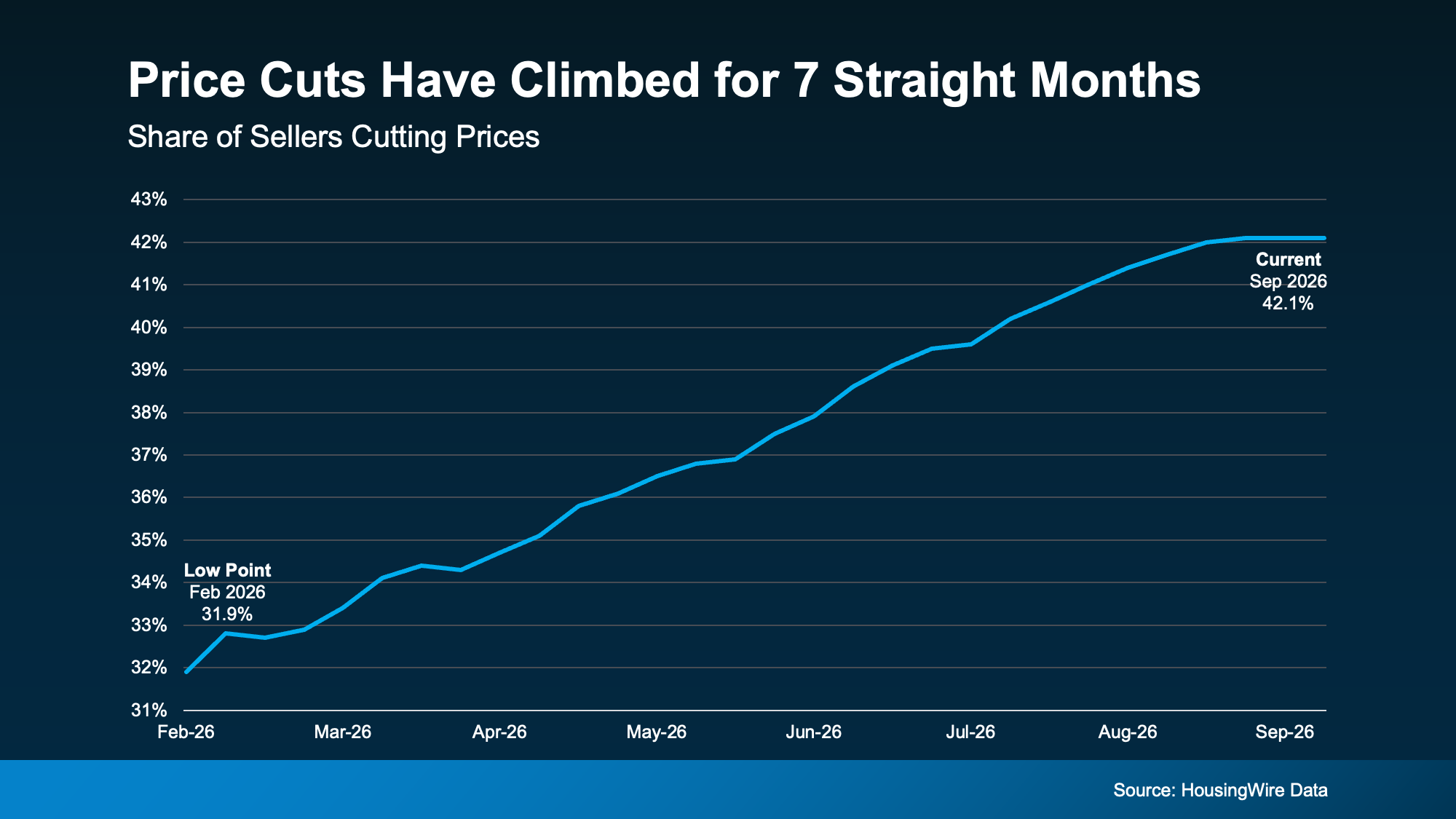
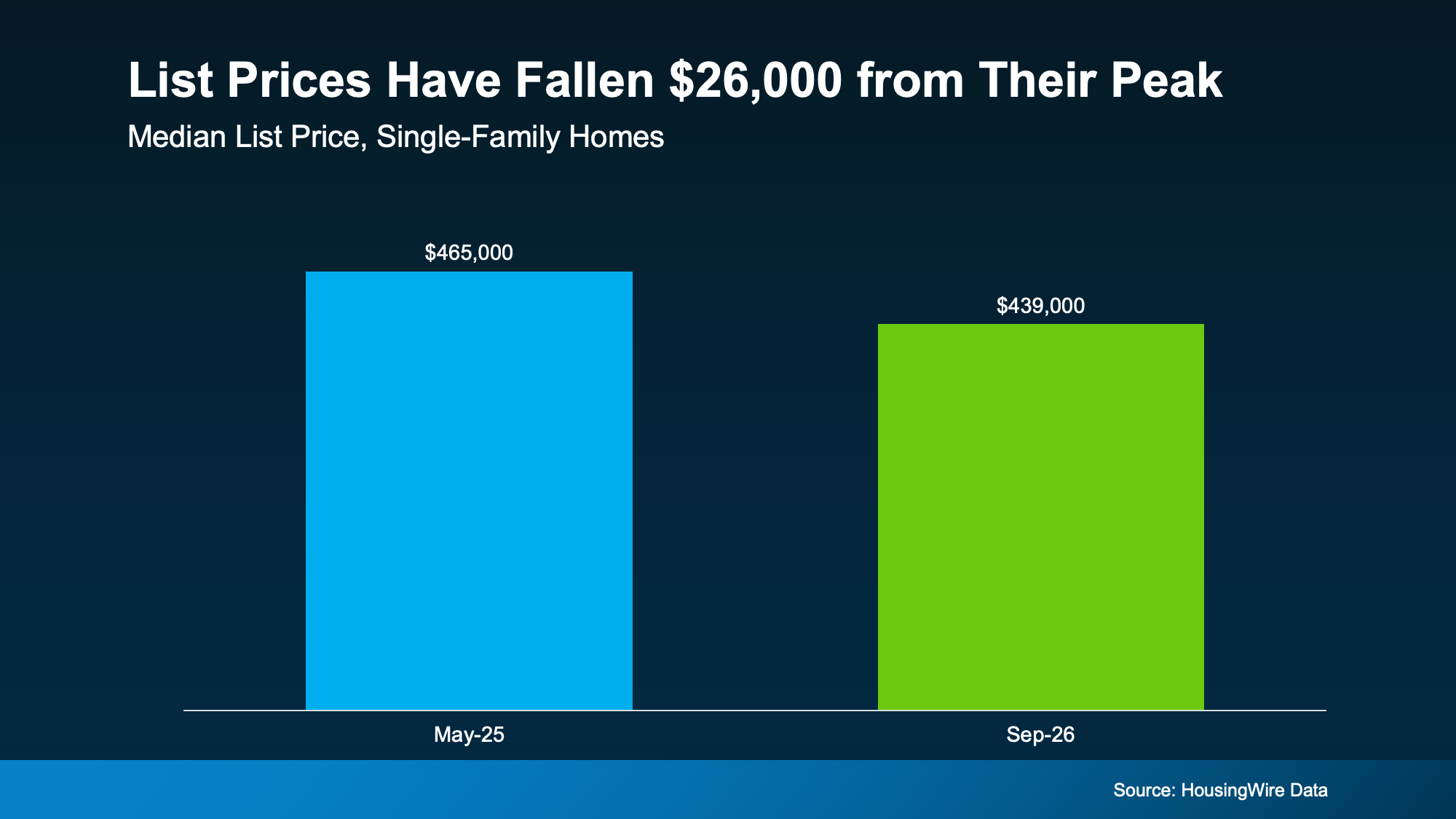
According to HousingWire Data, the share of homes receiving price reductions has been climbing for months. More than 4 in 10 active listings have experienced at least one price cut, with the typical reduction amounting to roughly $17,560 from the original asking price.
That’s a significant adjustment.
But before you assume sellers are panicking, consider what’s happening from the buyer’s perspective.
Mortgage rates remain elevated compared with the ultra-low-rate years many homeowners remember. At the same time, buyers have more homes to choose from in many markets.
Think of it like shopping at a store where several nearly identical products are sitting on the shelf. If one is priced noticeably higher than the others, which one do you think shoppers will pick?
Real estate works much the same way.
Buyers are comparing homes more carefully. If a property is overpriced, they may simply move on to the next one.

Why Pricing Correctly From Day One Matters
For sellers, the biggest takeaway isn’t necessarily that price cuts are bad.
It’s that pricing strategy matters more than ever.
When a home first hits the market, it gets the most attention from buyers who have been actively searching. That initial window can be incredibly valuable.
If the price is too high, the home may sit while buyers watch newer, better-priced listings come onto the market. Eventually, the seller may need to reduce the price just to get back into the conversation.
It’s a little like trying to catch a moving train. The longer you wait to adjust, the farther you may have to go to catch up.
That doesn’t mean every seller needs to price aggressively. It means your asking price should be based on what buyers are actually willing to pay today, not simply what you hope the home will be worth.
And because market conditions can change quickly, even a home that was priced reasonably a few weeks ago may need to be reassessed.
A Price Cut Doesn’t Automatically Mean Something Is Wrong
Buyers, this part is important.
When you see a home with a reduced price, don’t automatically assume there’s a hidden problem.
Sometimes the reason is much more straightforward: the seller priced above the market and is now adjusting to current conditions.
That can create an opportunity.
A price reduction may give you another reason to look closely at a property you previously dismissed. And if a home has been sitting on the market for a while, you may have more room to discuss price, closing costs, repairs, or other terms.
Of course, you still want to do your homework. Review the property’s condition, comparable sales, disclosures, location, and market activity before making an offer.
A price cut is a clue—not a conclusion.
Today’s Buyers Have More Choices
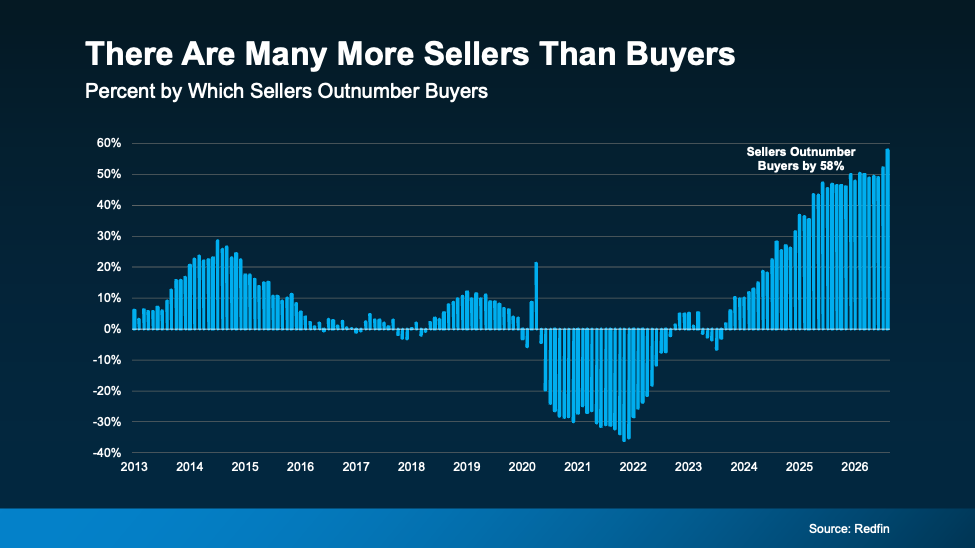
Another major factor behind price reductions is inventory.
When buyers have fewer homes to choose from, sellers generally have more leverage. But when more properties compete for the same buyers, sellers have to give people a reason to choose their home.
That reason could be the price.
Or it could be condition, location, presentation, flexibility, or the terms of the offer.
For sellers, this means simply putting a sign in the yard isn’t enough. Your home needs to compete with everything else buyers can see online.
That could mean professional photography, thoughtful staging, strong marketing, accurate pricing, and a strategy for responding to buyer feedback.
Sometimes a seller doesn’t need to make a huge change. Sometimes the right adjustment is simply making the home more compelling than the next listing.
Sellers May Have More Room To Negotiate
For years, many buyers felt like they had to move quickly and make strong offers just to compete.
Today’s market can look very different depending on the neighborhood.
When buyers have more options, sellers may be more willing to negotiate. That could mean considering a lower purchase price, offering a credit toward closing costs, addressing repairs, or being flexible with the closing timeline.
This is where strategy matters.
A buyer shouldn’t assume every seller will accept a low offer. Likewise, a seller shouldn’t automatically reject every request for concessions.
The right approach depends on the property, its competition, how long it’s been listed, recent comparable sales, and the seller’s goals.
What This Means If You’re Selling
If you’re preparing to sell, don’t let headlines about price cuts scare you.
Instead, use them as a reminder to get your pricing strategy right.
Start by looking at what similar homes are actually selling for—not just what other sellers are asking. Then consider how your home’s condition, upgrades, location, and features compare.
Most importantly, have a plan before the listing goes live.
What happens if showings are strong but offers aren’t coming in? What if buyers consistently mention the same issue? How long should you wait before adjusting the strategy?
Answering those questions ahead of time can help you avoid making emotional decisions later.
What This Means If You’re Buying
If you’re a buyer, price reductions can create opportunities—but you still need to be strategic.
Don’t chase a discount simply because you see a lower number.
Instead, ask: What is this home actually worth based on the current market?
Look at comparable sales. Pay attention to how long the home has been listed. Review previous price changes. Understand the seller’s situation when that information is available.
Then build an offer around the numbers—not just the sticker price.
A lower asking price doesn’t automatically equal a great deal. The goal is to understand the property’s value and negotiate from there.
Bottom Line
Today’s price reductions tell us something important: buyers are paying close attention, and sellers need to pay attention too.
If you’re selling, the right price from the beginning can help your home attract attention before buyers move on to the competition. If you’re buying, a price reduction may create an opportunity to negotiate—but you still need to understand the property’s true market value.
The best strategy isn’t simply following the headlines. It’s understanding what’s happening in your specific neighborhood.
Want to know what homes are selling for, how much competition you’re facing, and what today’s market could mean for your next move?
Call or text 855-935-MORE.
Check out this article next