



Know Your Market. Make Your Move.
With four different housing markets at play, accurate data matters. Download the Made 4 More app for accurate listings, better opportunities, and no hidden fees or selling your information. 🏡
The Real Estate Market Isn’t Just One Market Anymore
If you’ve been following real estate lately, you’ve probably noticed something strange: two people can look at the exact same housing market and walk away with completely different experiences.
One buyer is paying cash. Another is stretching to make the monthly payment work. A homeowner wants to move but doesn’t want to give up a 3% mortgage rate. Meanwhile, a builder is offering incentives to move newly built homes.
So, which market are we actually in?
The answer is: all of them.
The housing market has split into several different lanes, and knowing which lane you’re in can change how you approach your next move.
Let’s break it down.
- Cash Buyers: Equity Can Be Your Superpower
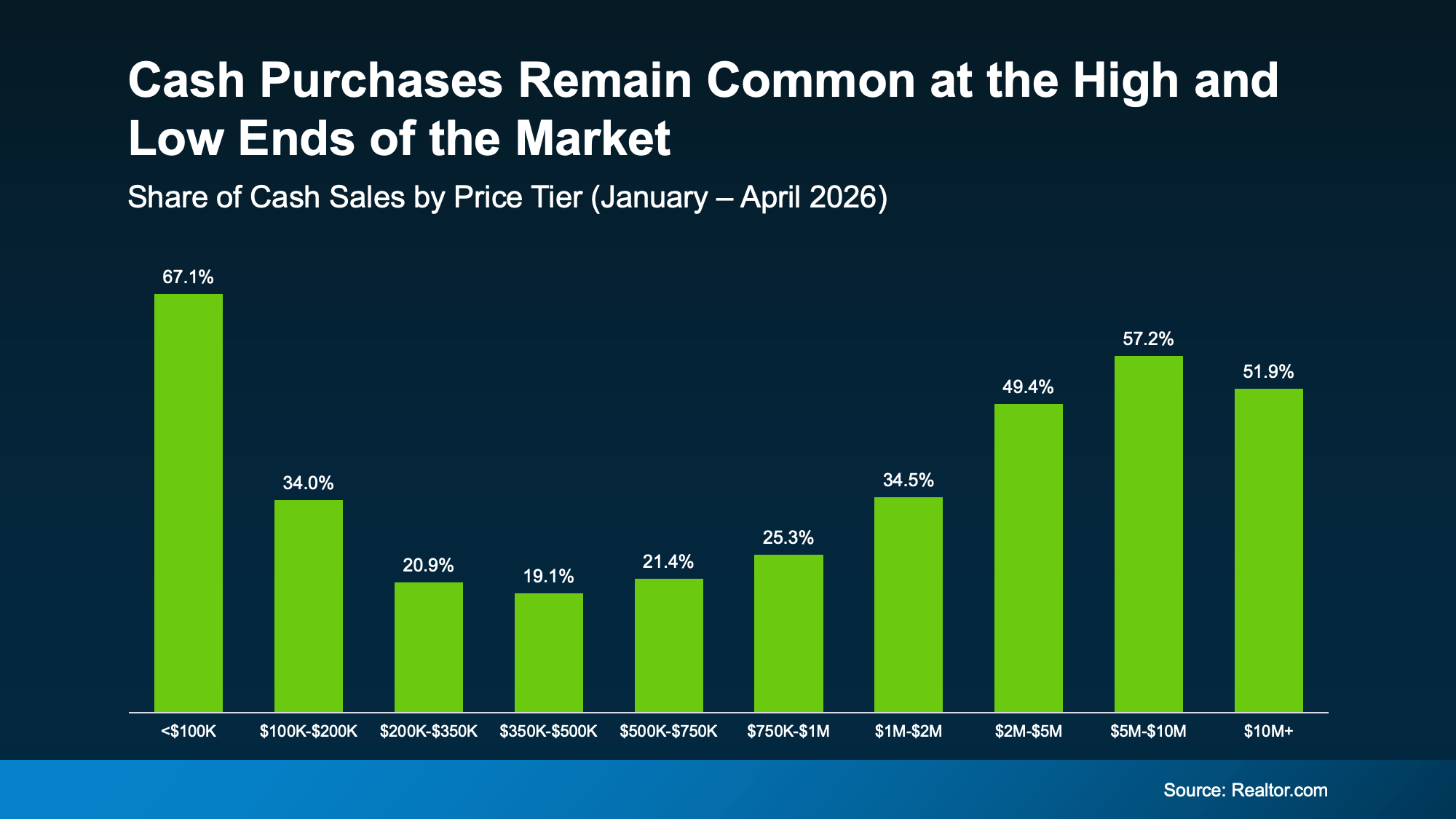
Cash buyers are playing a different game than buyers who need financing.
According to the National Association of Realtors, about 26% of existing-home sales were all-cash purchases this summer. That’s roughly one out of every four buyers closing without a mortgage.
For homeowners who have built significant equity, selling one property and using those proceeds to purchase another home with cash can make this strategy possible.
And from a seller’s perspective, cash can be attractive because there’s no mortgage approval standing between the offer and the closing table.
If You’re Buying: A cash offer can make your offer more competitive because you aren’t relying on a lender to approve the loan. That can also create opportunities for a quicker closing or stronger negotiations.
If You’re Selling: Don’t automatically choose the highest number. Look at the entire offer. A slightly lower cash offer may have fewer financing-related risks, while a higher financed offer may still make more sense financially.
The bottom line? Look beyond the price tag.

- Mortgage Buyers: The Rate Matters, But So Does the Deal
For buyers who need a mortgage, affordability is still one of the biggest pieces of the puzzle.
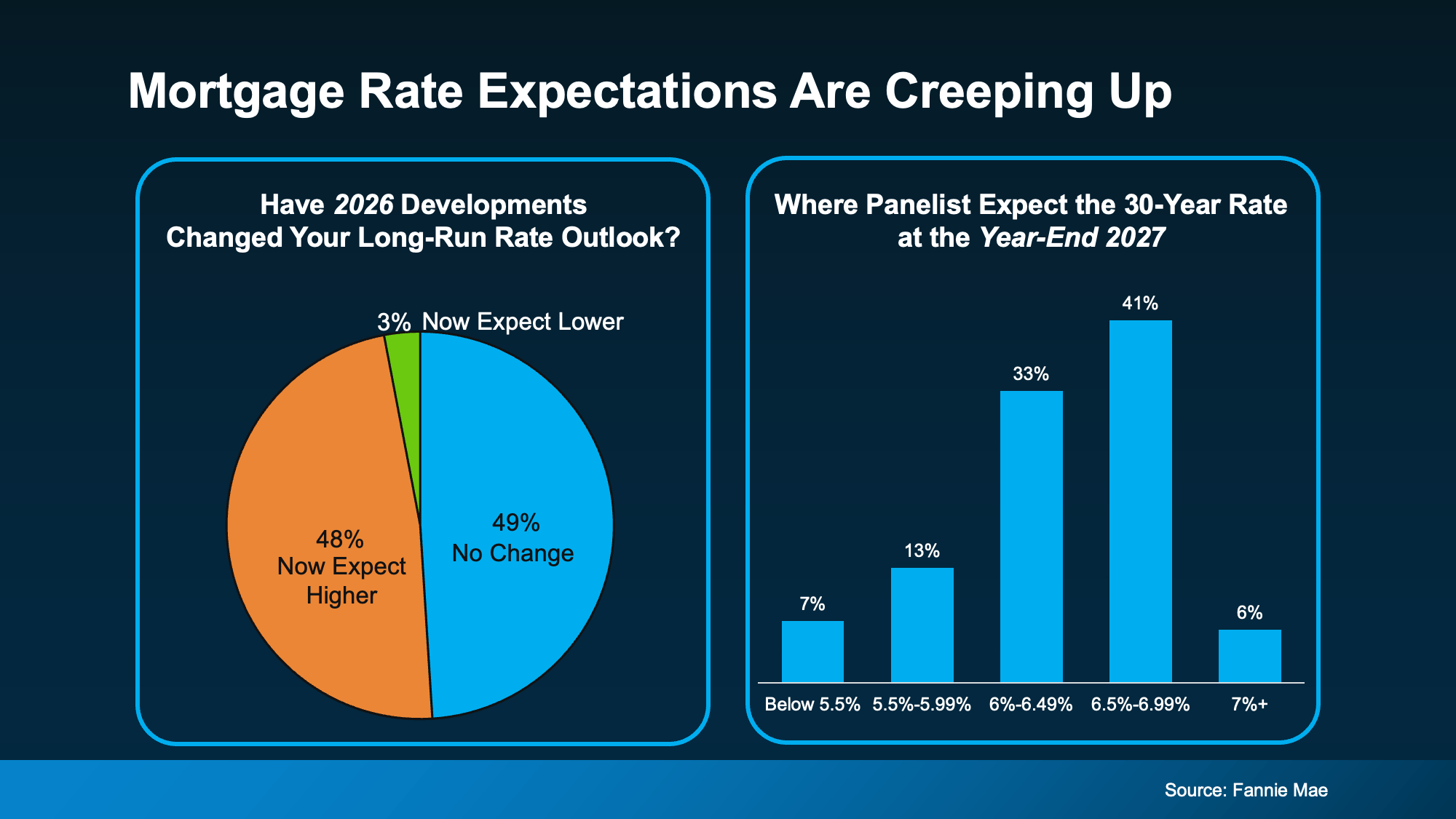
Mortgage rates have made monthly payments more expensive than many buyers would like. And while it’s tempting to sit on the sidelines waiting for rates to fall, there’s another part of the equation buyers should pay attention to: seller concessions.
Instead of focusing only on the interest rate, ask yourself what the seller might be willing to contribute.
Could they help with closing costs? Could they offer a rate buydown? Could there be a credit for repairs?
These concessions can sometimes make a meaningful difference in the upfront cost or monthly payment.
If You’re Buying: Don’t just ask, “What’s the interest rate?” Ask, “What can we negotiate into the deal?”
If You’re Selling: Be prepared for buyers to negotiate. A well-planned concession may help your property stand out, particularly when buyers are comparing several homes.
Think of it this way: the best deal isn’t always the house with the lowest price. It’s the one where the numbers work best for the buyer.
- Rate-Locked Homeowners: The 3% Mortgage Problem
Here’s one of the biggest reasons inventory has remained challenging: many homeowners simply don’t want to give up their current mortgage rate.
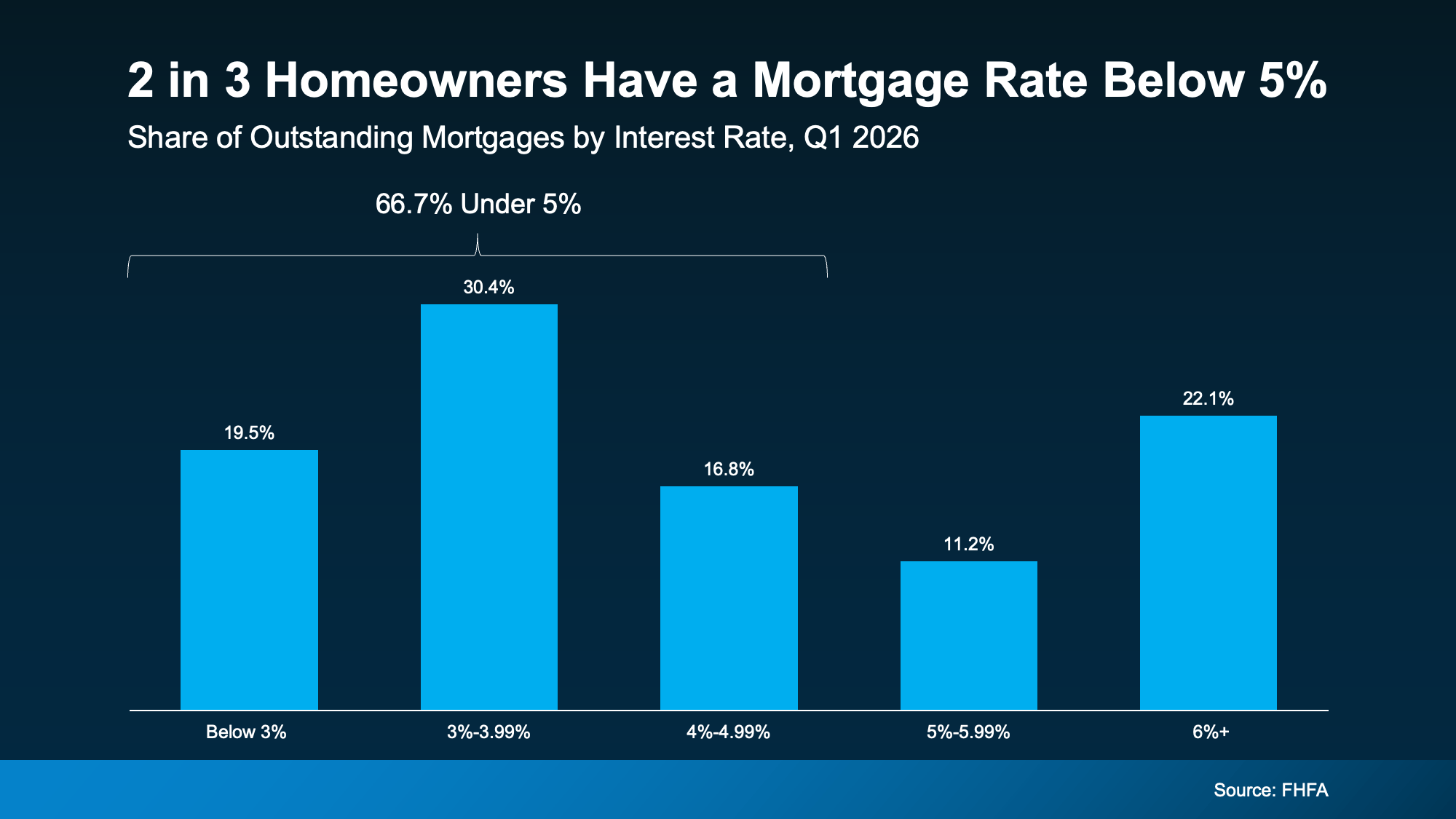
A large share of homeowners have mortgage rates below 5%. For someone sitting comfortably on a low rate, selling a home and taking on a significantly higher rate can feel like trading in a cheap flight for a last-minute first-class ticket.
Sure, you can move. But why pay considerably more if you don’t have to?
That’s the idea behind the term “mortgage rate lock-in.”
Homeowners may have plenty of equity and still decide not to sell because the financing on their current home is simply too attractive to give up.
If You’re Buying: This can mean fewer homes coming onto the market. But homeowners who do decide to sell may have a specific reason for making the move—such as a job change, growing family, downsizing, or relocation.
If You’re Selling: Don’t assume a higher mortgage rate automatically means moving no longer makes sense. Look at your equity, your next-home options, your potential payment, and the reason you want to move.
And if you have an FHA or VA loan, it may also be worth asking whether the loan is assumable and whether that could become a selling point.
Sometimes the numbers look very different once you put the entire picture on the table.
- New Construction: Builders Have Their Own Playbook
New construction is another market operating by its own rules.
Builders have a major advantage: they can offer incentives that individual homeowners often can’t.
Think rate buydowns, closing-cost assistance, upgrades, or other incentives designed to help move inventory.
For buyers, that can create opportunities—especially when a builder is competing with existing homes in the same price range.
But don’t get distracted by the shiny kitchen and the “special financing” sign just yet.
Compare the entire package.
What is the final purchase price? What does the incentive actually save you? What are the HOA fees? What upgrades are included? What will the monthly payment look like? And how does the home compare with existing properties nearby?
If You’re Buying: Compare the builder’s incentives against comparable resale homes. The cheapest-looking option isn’t necessarily the least expensive option over time.
If You’re Selling: Existing homeowners have something builders can’t easily recreate—an established property with mature landscaping, an existing neighborhood, and a home that’s ready to live in now.
That difference can matter.
So, Which Housing Market Are You In?
This is where real estate gets interesting.
There isn’t one universal strategy that works for everyone right now.
A cash buyer may be focused on negotiating price and speed. A financed buyer may care more about concessions and monthly payment. A homeowner with a low mortgage rate may be weighing whether moving is financially worthwhile. And someone shopping new construction may be comparing builder incentives against resale homes.
Same city. Same year. Completely different circumstances.
That’s why your next move shouldn’t start with, “What is the market doing?”
It should start with:
“What is my market doing?”
Once you understand your specific situation, the strategy becomes much clearer.
Ready to Talk About Your Next Move?
Whether you’re buying, selling, moving up, downsizing, or simply trying to figure out what makes sense in today’s market, we can help you look at the numbers and understand your options.
Call or text 855-935-MORE and let’s talk about what your market looks like.
Check out this article next