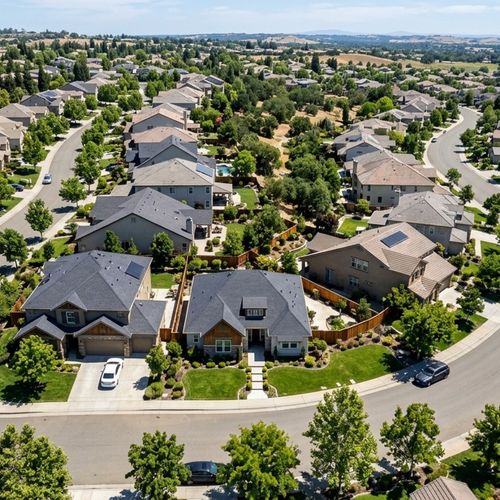


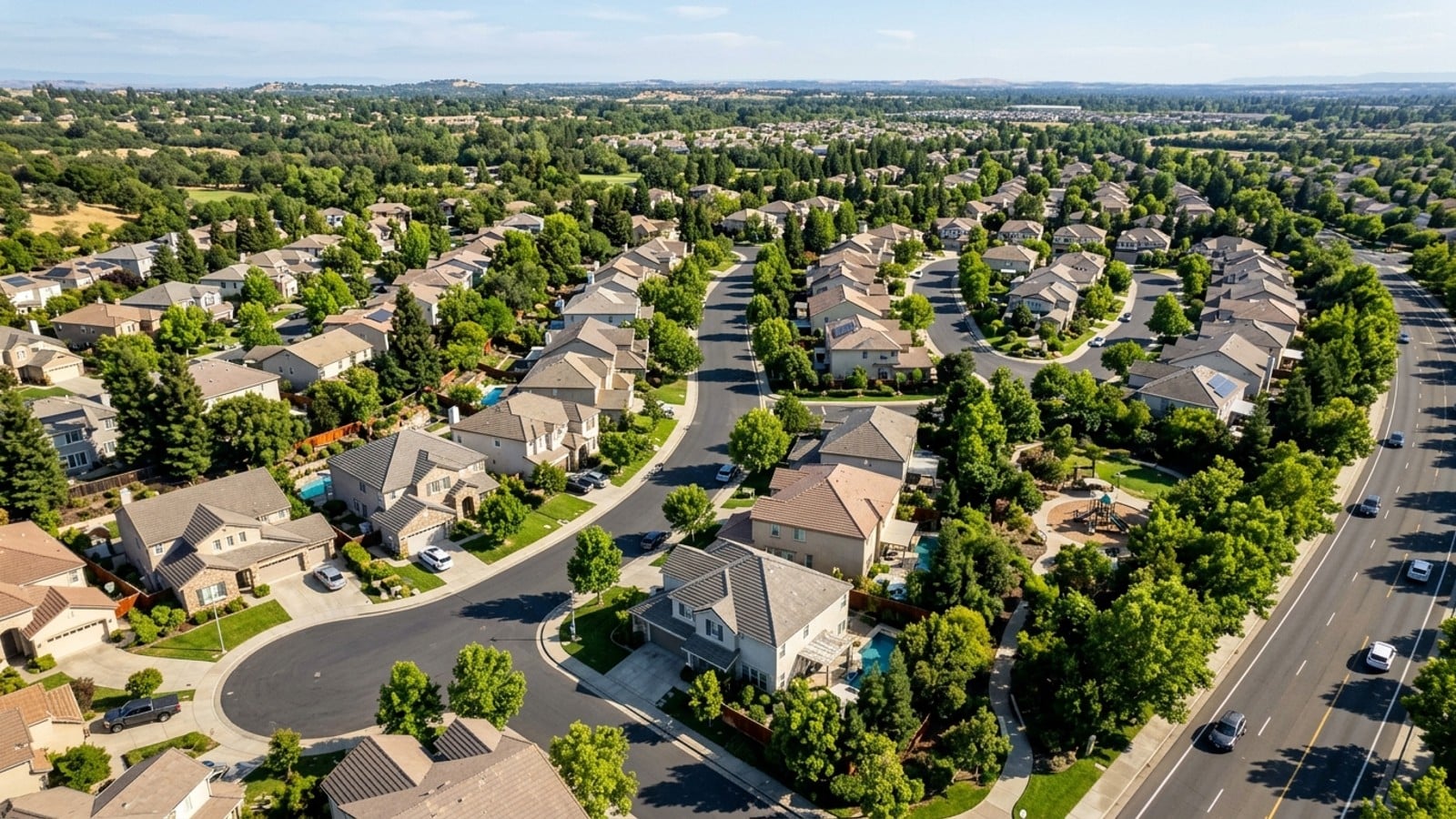
The median sale price for a home in Roseville, CA is around $660,000, and with homes moving in roughly 21 days, you don't have the luxury of figuring out your financing after you find a place you love. This fast pace can be especially challenging for first-time homebuyers in Roseville, CA. You need to know your numbers before you're standing in someone's living room.
Local inventory hovers around 342 available homes right now. That's not a lot of runway. Knowing exactly what you can afford - and having a lender ready to confirm it - is what separates buyers who get offers accepted from buyers who keep losing out.
Current Average Mortgage Rates for Roseville Buyers
There's no city-specific rate index for Roseville, so the California state average is what lenders work from as a baseline. As of late August 2026, those quotes are being driven by broader state and national economic conditions, not anything particular to Placer County.
State averages are a starting point, not a promise. Your actual rate depends on your financial profile and the lender you choose - which is exactly why shopping more than one lender matters before you commit.
30-Year Fixed-Rate Mortgages
As of August 23, 2026, the California average for a 30-year fixed mortgage was roughly 6.54% APR. Depending on which tracker you look at, state averages that same week ranged from 6.55% up to 7.00%, reflecting differences in data sources and underlying assumptions.
This is still the most common loan structure buyers reach for, and it's easy to understand why - your principal and interest payment is locked in for thirty years, which makes budgeting straightforward even if the market moves.
15-Year Fixed-Rate Mortgages
If paying off the home faster is a priority, the 15-year fixed offers a lower interest rate in exchange for a higher monthly payment. In late August 2026, the California average was 5.89% APR, though some industry sources reported figures closer to 6.16% during that same period.
You'll pay more each month. You'll pay significantly less in total interest over the life of the loan. Whether that trade-off makes sense depends on your cash flow and how long you plan to stay.
The Difference Between Interest Rate and APR
Lenders advertise both an interest rate and an APR - Annual Percentage Rate - and the distinction matters. The interest rate is the base cost of borrowing. The APR folds in lender fees, discount points, and closing costs, giving you a more complete picture of what the loan actually costs.
A lender quoting a lower interest rate might be charging higher upfront fees, which pushes the APR above a competitor's. Always compare APRs, not just the headline rate.
What Changes Your Personal Rate in Placer County
State averages assume a borrower who looks great on paper. Lenders adjust off that baseline depending on the specific risk factors your application presents - and on the property itself. That's why two buyers closing on the same street in the same week can walk away with meaningfully different rates.
Credit Score Tiers
Lenders sort credit scores into tiers, and where you land determines your pricing. A score above 740 generally gets you the best rates a given lender offers. Drop into a lower tier and the rate adjusts upward to reflect the added risk, at least from the lender's perspective.
If your score has room to improve, it's worth taking the time before you apply.
Down Payment and Loan-to-Value Ratios
Your down payment sets your loan-to-value ratio - the less you borrow relative to the purchase price, the better the lender's risk picture looks. Buyers who put down 20% or more typically get better rates and avoid private mortgage insurance entirely. A smaller down payment usually means a slight upward adjustment to your rate or APR, sometimes both.
Property Type and Use
What you're buying - and what you plan to do with it - affects your pricing too. Single-family homes used as primary residences get the most favorable treatment. Condominiums and multi-family properties carry somewhat higher rates because lenders view them as a step riskier. Investment properties and second homes cost more to finance than a primary residence, full stop.
First-Time Homebuyer Loans and Down Payment Assistance
California has real programs that can meaningfully reduce both your borrowing costs and the cash you need to close. The California Housing Finance Agency (CalHFA) is the primary source, offering access to 30-year fixed-rate FHA, conventional, VA, and USDA mortgages that can be paired with down payment and closing cost assistance.
Conventional, FHA, and VA Options
FHA and VA loans tend to carry lower baseline interest rates than conventional loans, though FHA comes with mortgage insurance requirements and VA loans have a funding fee. Recent data showed CalHFA FHA program rates around 5.875%, with CalHFA conventional rates near 6.00%.
Those figures change frequently, so verify current numbers directly with a CalHFA-approved lender. The right choice comes down to weighing upfront fees against the monthly payment - it's not always obvious which structure wins without running the actual numbers.
California Housing Finance Agency (CalHFA) Options
CalHFA's main down payment tool is the MyHome program, a deferred-payment junior loan that covers up to 3.5% of the purchase price when paired with an FHA first mortgage, or up to 3% with a conventional first mortgage. The ZIP program covers closing cost assistance on top of that.
The Dream For All shared-appreciation program closed in July 2026. MyHome and ZIP are still open year-round for buyers who qualify.
Placer County and Regional Grants
Placer County did offer a First-Time Homebuyer Assistance Program - a 1% minimum down payment, a 3% interest rate, and up to $100,000 in assistance - but it hit capacity and closed applications. It's now running an interest list for future funding cycles. Worth noting: that program was limited to unincorporated Placer County anyway, which means it excluded incorporated cities like Roseville.
For Roseville buyers, the more relevant option is the GSFA Assist-to-Own program, which provides up to 5.5% in down payment assistance and doesn't require first-time homebuyer status.
Finding the Right Mortgage Lender in Roseville
The single most effective thing you can do to avoid overpaying on your loan is to get quotes from more than one lender. Requesting Loan Estimates from multiple institutions lets you compare interest rates, APRs, and closing costs directly - apples to apples.
Local Credit Unions vs. National Banks
Credit unions are member-owned, which often translates to lower origination fees or slightly better rates than you'd get from a commercial bank. SAFE Credit Union - the second-largest in the Sacramento area, with $4.52 billion in assets - has a branch right in Roseville. Golden 1 Credit Union and Patelco Credit Union are also popular with local buyers. Patelco Credit Union on Foothills Boulevard currently carries a 4.3-star rating for real estate and home mortgage services.
Working With a Mortgage Broker
A broker shops your application across multiple wholesale lenders, which saves time and sometimes turns up loan products you wouldn't find on your own. They understand the Placer County market and can point you toward programs like GSFA Assist-to-Own. If you're planning to stay in the home long-term, a broker can also walk you through whether buying discount points makes sense given your timeline.
Frequently Asked Questions
Are mortgage rates in Roseville typically higher or lower than the California state average?
They generally run in line with the state average - there's no city-specific index, so lenders use statewide figures as the baseline. In late August 2026, the California average for a 30-year fixed loan was roughly 6.54% APR.
Are there any first-time homebuyer programs in Roseville that offer discounted interest rates?
Yes. CalHFA programs recently showed FHA rates around 5.875% and conventional rates near 6.00%. The Placer County program that offered a 3% interest rate is currently at capacity, and it only applied to unincorporated areas of the county - Roseville was excluded regardless.
Can I get a better mortgage rate by using a preferred lender for new construction homes in Roseville?
It depends on what the builder is offering at that moment. Builders sometimes buy down the rate or provide closing cost credits when you use their in-house lender. Compare that Loan Estimate against quotes from local institutions like SAFE Credit Union or Golden 1 Credit Union before you decide.
What is the conforming loan limit in Placer County before I have to pay higher jumbo mortgage rates in Roseville?
The conforming loan limit sets the threshold where a standard loan becomes a jumbo mortgage, which often carries a different rate structure. That limit changes annually, so check the Federal Housing Finance Agency (FHFA) website for the current year's exact figure.
What happens if interest rates drop while I am in escrow on a house in Roseville?
If you've already locked your rate, it won't drop automatically unless your lender offers a float-down option. If you haven't locked yet, you can lock at the new, lower market rate before closing.
Will I get a lower interest rate using a local Roseville mortgage broker compared to a large national bank?
It depends on your financial profile and the broker's lender network. Local credit unions like Patelco Credit Union and regional brokers sometimes offer lower origination fees or better rates than commercial banks. Comparing official Loan Estimates side by side is the only reliable way to know which option actually costs less.
Check out this article next