



Don’t let outdated listings or inaccurate market data leave you guessing who has the upper hand. Download the Made 4 More app for accurate listings and better insights into local opportunities—without your information being sold. Find the right home, understand your market, and make your next move with confidence!
Real estate headlines love to declare winners. “It’s a buyer’s market!” “Sellers are back in control!” But here’s the catch: both statements can be true at the same time.
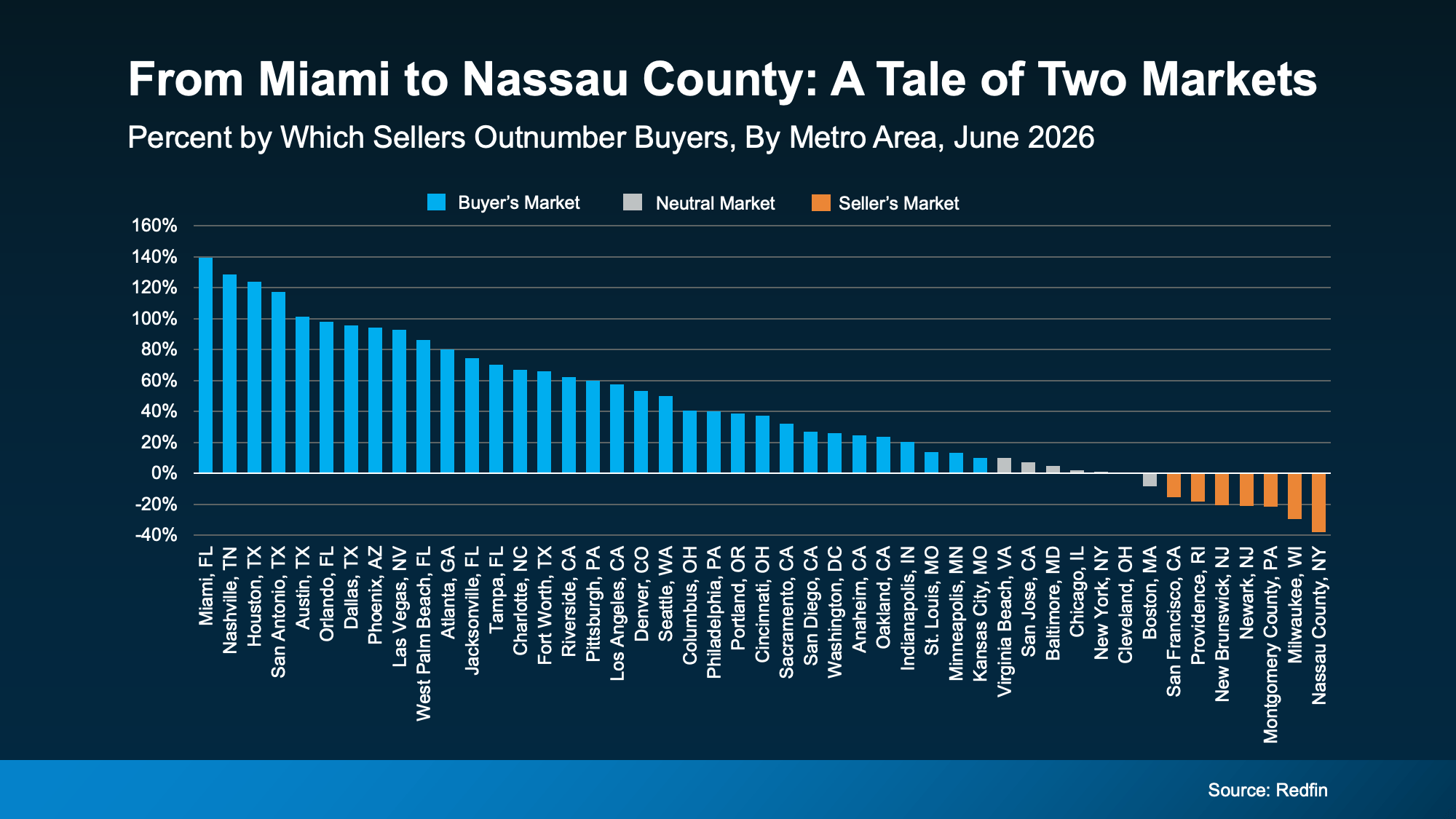
Why? Because real estate isn’t one giant national market. It’s thousands of smaller markets, neighborhoods, and even individual streets—each moving at its own pace.
So, who has the upper hand today?
The answer depends on where you live.
And if you’re buying or selling a home, understanding that local balance of power can make a major difference in your pricing strategy, negotiations, timing, and ultimately, your bottom line.
The One Number That Reveals Who Has the Leverage
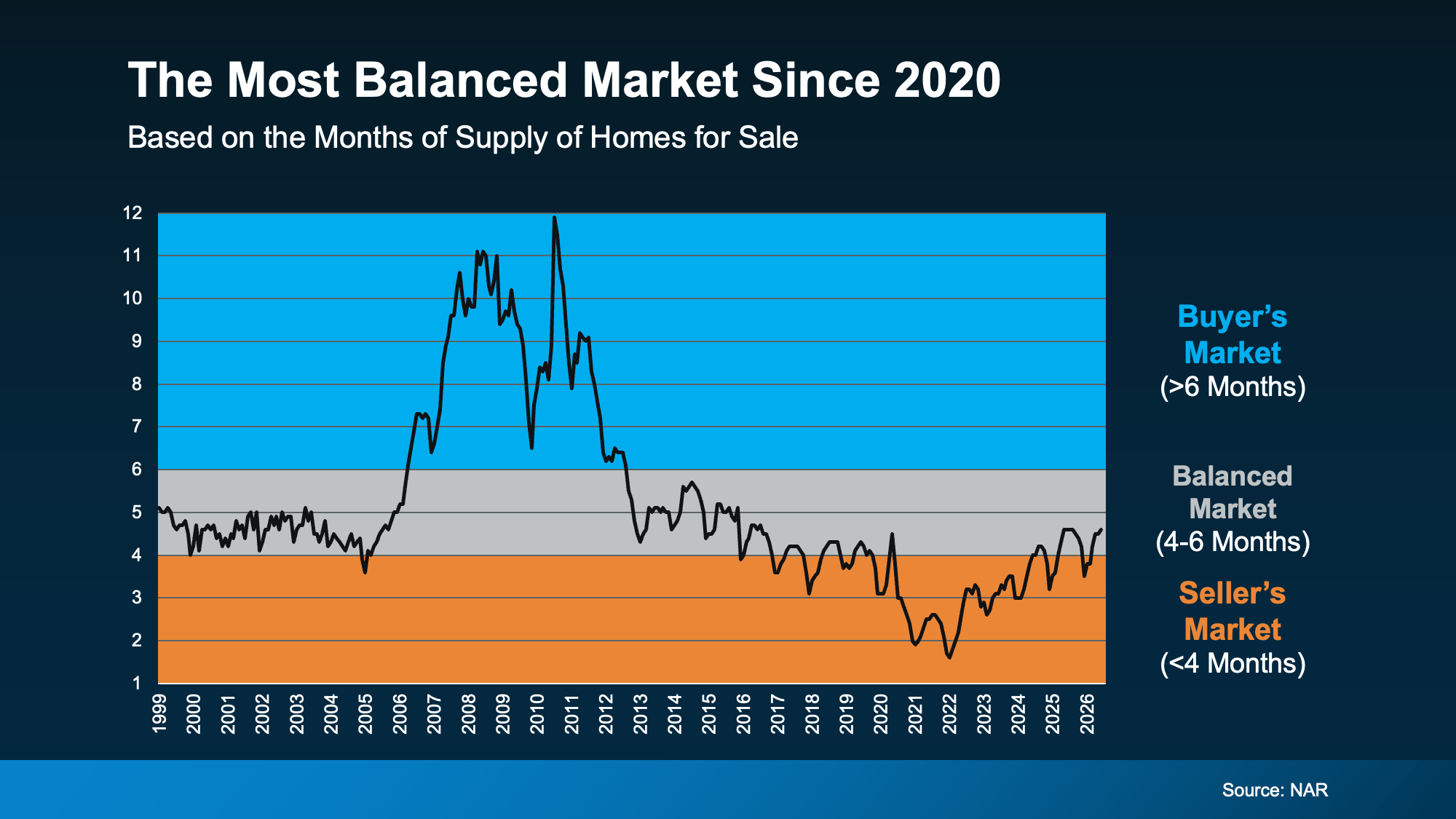
If you want a quick snapshot of whether buyers or sellers have more negotiating power, look at months of housing inventory.
Think of it as the market’s scoreboard.
Months of supply estimates how long it would take to sell the homes currently available if no additional properties came onto the market and sales continued at the current pace.
Generally, the market breaks down like this:
- Less than 4 months of inventory: Sellers typically have the advantage.
- 4 to 6 months: The market is generally considered balanced.
- More than 6 months: Buyers typically have more negotiating power.
Recent national housing data has moved into a more balanced range. That’s a meaningful shift after several years when sellers had considerably more leverage.
But—and this is a big but—national numbers don’t tell you exactly what’s happening in your neighborhood.
That’s where things get interesting.

A “Balanced” Market Can Feel Completely Different From One City to the Next
Imagine two buyers shopping for nearly identical homes.
Buyer A is looking in an area where inventory is high, homes are sitting on the market longer, and sellers are more open to negotiations. That buyer may have room to ask for closing-cost credits, repairs, price reductions, or other concessions.
Buyer B is shopping in an area where desirable homes are still attracting multiple offers.
That buyer may need to move quickly, make a competitive offer, and avoid asking for too much.
Same country. Same housing market. Completely different experience.
That’s why simply labeling the entire real estate market as “good for buyers” or “good for sellers” can be misleading.
Your ZIP code matters. Your neighborhood matters. Your price range matters. And sometimes, the specific type of property matters, too.
Why Buyers May Have More Opportunities Right Now
For buyers, a more balanced market can create something they haven’t had much of in recent years:
Options.
More inventory can mean more homes to compare, more time to think, and potentially more opportunities to negotiate.
That doesn’t mean buyers should automatically expect huge discounts. A well-priced, move-in-ready home in a desirable neighborhood can still attract plenty of attention.
But buyers may have more leverage than they did when inventory was extremely tight.
Instead of asking, “Can I get this house?” the conversation may become:
“What terms make this deal work best for me?”
That could mean negotiating the purchase price, requesting seller concessions, asking for repairs, or structuring an offer around the buyer’s financial goals.
Sellers Still Have Plenty of Reasons to Be Strategic
If you’re selling, a balanced market doesn’t mean you have to settle.
It means buyers have more choices—and that makes pricing and presentation even more important.
Overpricing a home can cause it to sit while competing listings attract attention. Once a listing starts accumulating days on market, buyers may begin wondering what’s wrong with it.
On the other hand, pricing strategically can create interest and put your home in a stronger position.
Think of it like fishing: you want to put the right bait in the right pond. The goal isn’t simply to put a number on the house and hope someone bites.
Your pricing strategy should be based on what buyers are actually doing in your market right now.
The Biggest Mistake? Assuming You Know Who Has the Upper Hand
Here’s where buyers and sellers can get into trouble.
A buyer sees a headline saying inventory is rising and assumes every seller will negotiate.
A seller hears that home prices are still strong and assumes they can price aggressively.
Neither assumption is necessarily correct.
The real estate market can change dramatically from one neighborhood to another.
A home that has been beautifully updated may attract strong demand while a similar home that needs significant work sits for weeks.
A property priced at $500,000 may behave very differently from one priced at $1 million—even if they’re only a few miles apart.
Real estate is local. Very local.
That’s why having an experienced real estate professional who understands your specific market can be such an advantage.
What This Means If You’re Buying a Home
If you’re a buyer, don’t focus only on whether it’s technically a “buyer’s market.”
Instead, ask better questions:
- How much inventory is available in my price range?
- How long are comparable homes taking to sell?
- Are sellers offering concessions?
- Are homes selling close to asking price?
- How competitive are the properties I’m considering?
- What terms could strengthen my offer without overextending my budget?
Those answers can tell you much more than a national headline ever will.
What This Means If You’re Selling a Home
Sellers should take the same approach.
Instead of asking, “How much can I get for my house?” start by asking:
“What will make buyers choose my home over the competition?”
That may involve strategic pricing, professional marketing, thoughtful preparation, or making improvements that actually matter to today’s buyers.
The goal isn’t just to list your home.
The goal is to position it to win.
Local Market Knowledge Is Your Competitive Advantage
Whether you’re buying or selling, the strongest strategy starts with knowing who has leverage.
And that answer isn’t sitting in a national headline.
It’s in your local inventory numbers, comparable sales, days on market, pricing trends, buyer activity, and current competition.
That’s where an experienced local agent can make a real difference.
Because when the market is balanced, strategy matters more—not less.
The Bottom Line
So, who has the upper hand in today’s housing market?
It depends on where you are.
Some markets are giving buyers more negotiating power. Others continue to favor sellers. Many are somewhere in the middle.
The key is not trying to predict the entire housing market. It’s understanding your market and building your strategy around the numbers that actually affect your move.
📞 Call or text us at 855-935-MORE and let’s look at what’s happening in your local market and what strategy makes the most sense for you.
Check out this article next