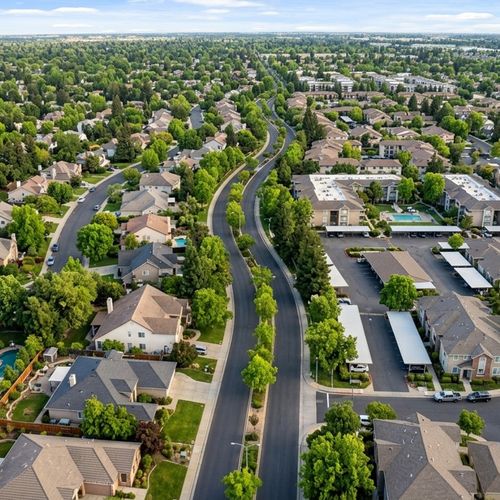


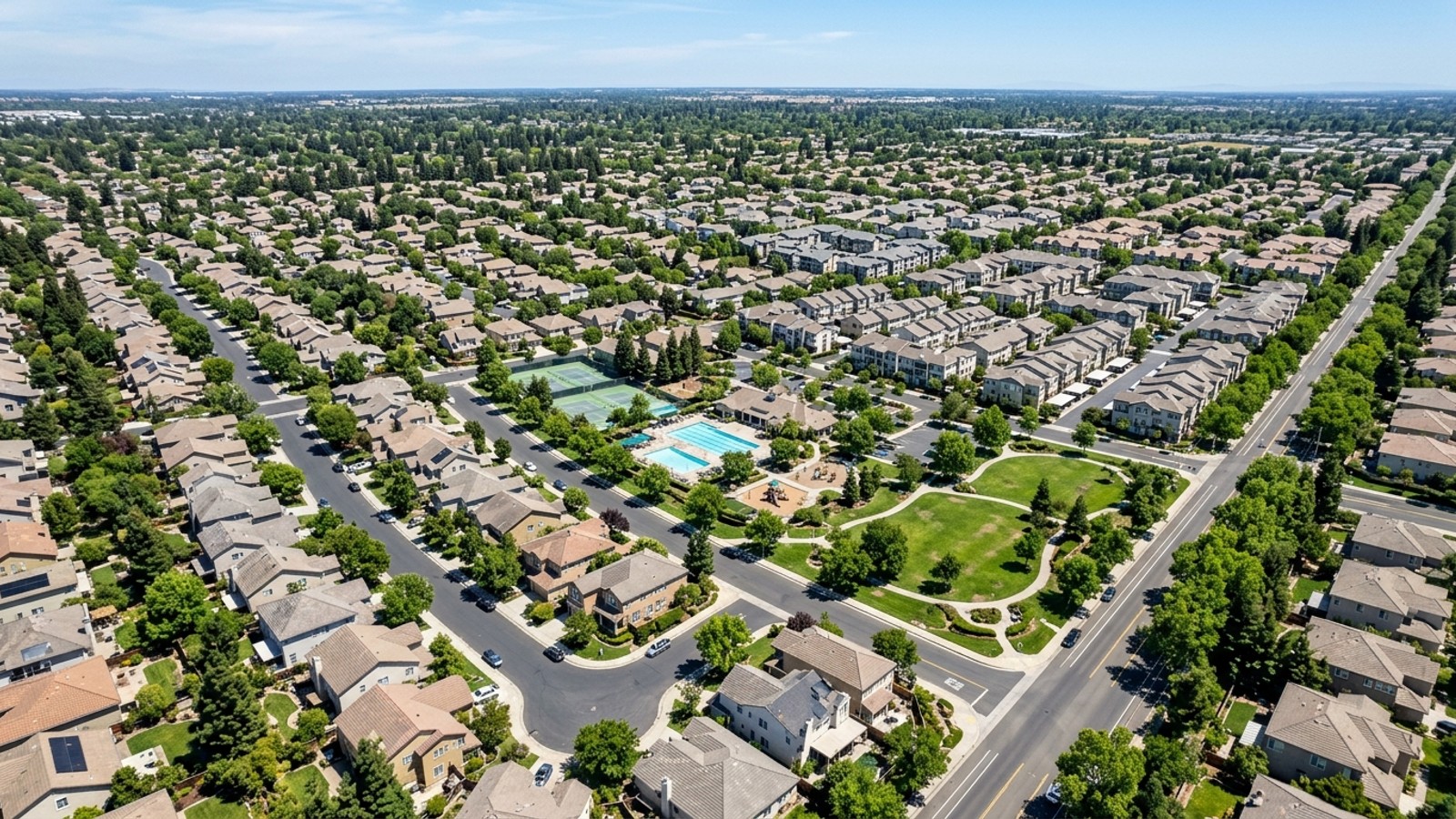
The median sale price for a home in Roseville, CA sits around $660,000. With roughly 342 homes on the Roseville housing market and properties moving in just 21 days, you don't have a lot of time to work through the full cost picture before you need to make a decision.
HOA dues are a big part of that picture. Whether you're looking at a newer development or a condo near the city center, knowing how these fees work - and what they actually pay for - lets you compare listings on equal footing.
Typical HOA Costs in Roseville
The range here is wide, and it's almost entirely driven by property type. Single-family homes in Roseville often have no association at all, or they carry dues somewhere between $0 and $150 per month - mostly covering basic neighborhood upkeep and shared green spaces. Higher-density housing requires more shared maintenance, and the monthly cost reflects that.
Single-Family Homes vs. Condos and Townhomes
Condos and townhomes in Roseville typically run between $300 and $450 or more per month. That higher number accounts for exterior building maintenance, roof repairs, and shared utility costs that a single-family homeowner pays out of pocket on their own. When you're comparing a townhouse to a detached home, that $400 monthly fee has to go into your debt-to-income ratio - it affects what you can actually borrow, even if the condo's list price looks lower.
Comparing Roseville to the Sacramento Region
Across Placer County, the median monthly condo and HOA fee runs about $326. The broader Sacramento metro shows massive variation - roughly 1,500 different associations covering 135,000 housing units across four counties. One industry aggregator puts the average regional fee at around $734 per month based on homeowner reports, and individual townhomes in the area have seen dues jump from $275 to over $560. Statewide, estimates for California's median HOA fee range from $278 to around $400 per month.
Billing Frequency and Payment Schedules
Most associations in Roseville collect dues monthly, which lines up cleanly with your mortgage payment and makes budgeting straightforward. Some communities - particularly those with very low annual dues - bill quarterly or yearly instead. A neighborhood charging $120 a year for entrance landscaping isn't going to send you a $10 invoice every month; you'll get one annual bill.
How Communities Collect Dues
Payment typically runs through a management company's online portal, an automatic bank transfer, or a mailed check. The method and schedule are spelled out in the community's governing documents.
Confirm the billing frequency during escrow. Missing a quarterly or annual payment because you assumed it was folded into your mortgage payment can result in late fees and, eventually, a lien on the property.
What Your Monthly Dues Pay For
Associations collect dues to maintain shared spaces and fund future repairs. In Roseville communities like Morgan Creek and Sierra Vista, dues typically cover landscaping, community pools, clubhouses, and security gates. Every payment splits two ways: a portion covers day-to-day operations, and the rest goes into reserves for long-term projects.
Routine Maintenance and Community Amenities
On the operational side, you're paying for things like lawn care in common areas, electricity for streetlights, and management staff or security personnel. If there's a pool, the dues cover water, chemicals, and cleaning. Condo and townhome owners also get exterior building insurance, trash collection, and sometimes water or sewer service folded in. Single-family homeowners handle those expenses on their own.
Reserve Funds and Excluded Expenses
A well-run association puts a meaningful share of its income into a reserve fund - a savings account that covers major future expenses like repaving private roads, replacing a clubhouse roof, or upgrading shared amenities.
What dues don't cover: property taxes, interior repairs, and your personal homeowners insurance. Your utility bills and anything inside your property lines remain your responsibility.
How Local Fees Compare by Neighborhood Type
Specific ZIP code averages for areas like 95661, 95678, and 95747 aren't formally tracked, but general Roseville HOA fees run from $100 to $400 per month. The cost scales directly with what's being maintained. A master-planned development with extensive parks and recreation centers costs more to run than an older subdivision with a single entrance sign, and the fees show it. Before you decide a fee is too high, think honestly about how often you'd actually use the facilities.
Master-Planned and 55-Plus Communities
Age-restricted communities tend to carry more robust amenities and fee structures to match. In Sun City Roseville, the official homeowners association currently sets the assessment at $234 per household per month, billed as $702 quarterly. Some third-party sources note figures ranging from roughly $192 to $225 per month depending on the specific village or section within the broader community. Those dues fund golf course maintenance, fitness centers, and organized social programming.
Evaluating the Value of an HOA Fee
The real question isn't whether the fee is high - it's whether what you're getting justifies the number. A $400 monthly fee is standard for a condo with a pool, a gym, and exterior maintenance handled for you. That same fee on a detached home with no shared facilities is a different story.
Review the association's financial health before you close. A low monthly fee can look attractive, but if the board has been underfunding reserves for years, you're buying into a future special assessment.
Warning Signs of an Overpriced Association
If a community's dues run significantly higher than neighboring developments with similar amenities, ask why. The usual culprits are past financial mismanagement, active litigation, or a high rate of delinquent homeowners - all of which push costs onto the people who do pay.
You can request the most recent reserve study during the purchase process. It shows exactly how much the association has saved versus what it expects to spend on upcoming repairs. That one document tells you a lot.
Additional Association Costs to Anticipate
Beyond the regular dues, there are one-time fees that come up at closing. When a property changes hands, the management company charges administrative costs to update their records and produce the required legal documents. These appear on the final settlement statement, and buyers and sellers can negotiate who covers them during the offer stage.
Transfer Fees and Special Assessments
An HOA transfer fee covers the administrative work of moving the account from seller to buyer. Some communities also charge a capital contribution or initiation fee - a one-time payment that goes directly into the reserve fund. These are separate from your ongoing dues.
Special assessments are a different category entirely. They're temporary charges levied when the reserve fund falls short of an emergency repair. If the community needs a new roof and doesn't have the savings, every homeowner gets a bill on top of their regular dues. That's why the reserve study matters.
Frequently Asked Questions
What is the average monthly HOA fee for a single-family home in Roseville, CA?
Buyers looking at detached properties often pay nothing, as many older subdivisions operate without an association. When a neighborhood does collect dues, the cost generally stays under $150 to maintain basic shared infrastructure.
Which neighborhoods in Roseville have the lowest or no HOA fees?
Older subdivisions generally offer the best chance to avoid monthly dues entirely. If you want a newer build with low fees, focus your search on neighborhoods that limit their shared amenities to basic landscaping rather than maintaining full recreation centers.
What amenities do HOA fees typically cover in Roseville's master-planned communities?
Master-planned developments charge higher monthly rates to maintain extensive recreational facilities and restricted entry points. Before buying into one of these neighborhoods, review the reserve study to ensure your dues are actually funding future repairs for those amenities.
Check out this article next