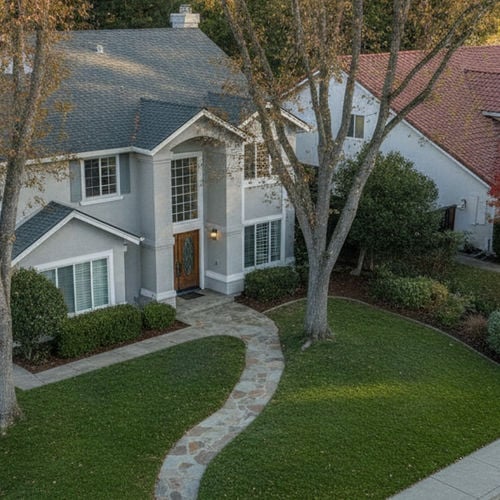


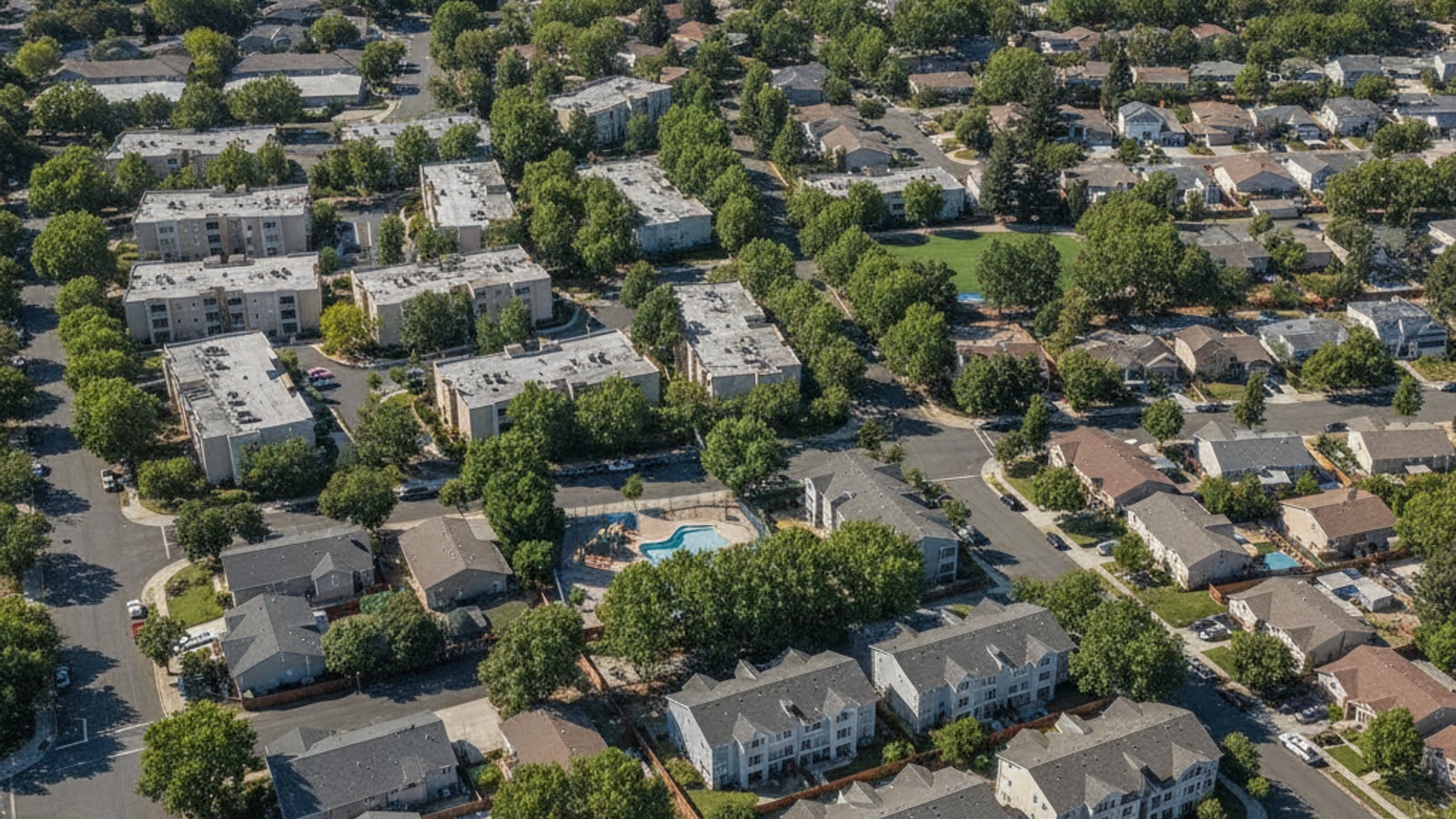
The average rent in Citrus Heights, CA currently falls somewhere between $1,616 and $1,756 per month, depending on which platform you're looking at and what type of property you're tracking. This Sacramento County suburb runs a mix of older apartment complexes, townhomes, and single-family houses - and that variety shapes what you'll actually find when you start searching the Citrus Heights, CA housing market.
Rents here have drifted slightly downward over the past year, which is welcome news if you're signing a lease right now. Costs also shift depending on where in the city you land, since the 95610 and 95621 ZIP codes each have their own pricing patterns by neighborhood and unit size.
Current Monthly Rent Averages in Citrus Heights
The major tracking platforms don't perfectly agree, but they're in the same ballpark. Early 2026 data from RentCafe and Point2Homes puts the average apartment rent at $1,756 per month. Apartments.com tracks it a bit lower, at $1,616 per month.
Think of those figures as a range rather than a single number. What you'll actually pay depends on the property's age and what it offers - a newer complex with covered parking and a pool will run higher than an older standalone unit with fewer amenities.
Typical Costs by Bedroom Count
For solo renters or couples keeping costs lean, studios and one-bedrooms are the starting point. One-bedroom units average between $1,572 and $1,599 per month right now.
Step up to a two-bedroom and you're looking at $1,849 to $1,889 per month. Three-bedroom apartments or rented houses push that range to $2,300 to $2,552 monthly - a meaningful jump, so it's worth being clear on how much space you actually need before you start touring.
Rental Rates by Local Neighborhoods
Citrus Heights is officially divided into 11 neighborhood areas, represented by eight neighborhood associations. The sections most people recognize are Northwest Citrus Heights, Rusch Park, Sunrise Oaks, Birdcage Heights, and Sylvan/Old Auburn Road.
The city runs primarily across two residential ZIP codes - 95610 and 95621 - with a third, 95611, reserved for PO boxes. Prices shift across those boundaries based on proximity to major retail centers and transit routes, so the same floorplan can cost noticeably different amounts depending on exactly where it sits.
Where to Find Lower Monthly Rents
If budget is the priority, the Sylvan/Old Auburn Road area is worth a close look - historical data showed median rents there around $1,565. Rusch Park also runs on the more moderate side, with median rents tracking near $1,749 per month.
Northwest Citrus Heights sits at the other end of the range, with median rents hovering around $2,010. Sunrise Oaks tracks closer to $1,790. Neither of those is outrageous, but the gap between the neighborhoods is real enough to factor into your search.
Recent Trends and Market Outlook
If you're signing a lease in mid-2026, you're in a better spot than renters were a year ago. Prices have come down across multiple platforms, not just one.
RentCafe noted a 1.38% year-over-year decrease. Point2Homes recorded a 1.4% drop. Zumper's June 2026 data showed the sharpest decline - rents down 3.99% compared to the same time last year. No single source tells the whole story, but they're all pointing the same direction.
Comparing Citrus Heights to the Sacramento Metro
Citrus Heights has consistently run a little cheaper than the broader Sacramento metropolitan area. Historical data from March 2024 showed the Sacramento metro median rent at $1,735 - roughly 4.2% higher than the Citrus Heights median at that time.
That gap matters if you're commuting anyway. A few extra miles on the drive can translate to a lower monthly payment, a larger unit, or both.
Budgeting for a Rental Home
The standard guideline you'll hear from financial advisors is the 30% rule - your monthly rent shouldn't exceed 30% of your gross monthly income. It's a reasonable place to start, even if your situation is more complicated than any single rule can capture.
To comfortably afford the average $1,756 rent in Citrus Heights without crossing that threshold, you'd need a gross annual income of about $70,240. Drop down to a one-bedroom at $1,572 and that target falls to roughly $62,880 per year.
Renting Versus Buying in the Current Market
At some point, a lot of renters start running the numbers on buying. As of May 2026, the median sale price for a home in Citrus Heights is approximately $481,000 - a minor 0.8% decrease year-over-year.
The sales side of this market moves fast. Homes are spending a median of just 15 days on the market before going under contract, about 146 homes are available in inventory, and 56.6% of properties are selling above list price. That's a noticeably more competitive environment than the rental market right now, which is something to weigh if you're deciding between the two.
Frequently Asked Questions
How much is the average rent for a 1-bedroom and 2-bedroom apartment in Citrus Heights?
A one-bedroom apartment in Citrus Heights averages between $1,572 and $1,599 per month. Two-bedroom units run higher, averaging between $1,849 and $1,889 per month depending on the complex.
Is renting in Citrus Heights, CA cheaper than living in nearby Sacramento?
Yes. Historical market data shows the Sacramento metro median rent running about 4.2% higher than the median rent in Citrus Heights.
Which neighborhoods in Citrus Heights have the most affordable rental prices?
The Sylvan/Old Auburn Road area tends to offer some of the most affordable rates, with median rents around $1,565. Rusch Park is another relatively affordable option, with median rents tracking near $1,749 per month.
How much annual income do I need to qualify for an average rental home in Citrus Heights?
To comfortably afford the average rent of $1,756 using the standard 30% rule, you'd want a gross annual income of roughly $70,240. For a less expensive one-bedroom unit, that income target drops to about $62,880.
Are rent prices in Citrus Heights currently going up or trending down this year?
They're trending down. As of mid-2026, market trackers report year-over-year decreases ranging from 1.38% to 3.99%.
Check out this article next