


Lincoln sits where the Sacramento Valley meets the lower Sierra foothills. Homes for sale in Lincoln mix walkable, historic streets with newer master-planned neighborhoods, and it gives residents a suburban rhythm with easy access to bigger job centers. If you are thinking of moving to Lincoln, this snapshot covers housing, schools, local services, and everyday life in plain language.
What’s The Housing Market Like In Lincoln, CA?
Homes in Lincoln range from older houses near downtown to new single-family builds in subdivisions like Twelve Bridges and Lincoln Crossing, with an average home value of $634,476.
New construction in planned communities tend to offer modern floor plans, attached garages, and energy-ready features, while resale homes give a wider mix of lot sizes and styles. If you are moving to Lincoln, expect quicker sales when buyers come with pre-approval and a local lender; inventory can shift fast when builders release a new phase.
What Are The Best Neighborhoods In Lincoln?
Lincoln Crossing and Twelve Bridges are the main newer developments, with parks, shops, and recently built homes. Sun City and Lincoln Hills center around golf courses and community amenities, which many buyers like.
Older streets close to downtown and McBean Park tend to have smaller plots, mature trees, and quick access to local shops and community events. Each pocket of town has its own character, so it is worth spending time in a few areas to see which one matches your day to day life.
What Are The Most Popular House Types in Lincoln?
Single-family detached houses are the most common type, with two- and three-bedroom plans being typical in new phases. You will also find one-story ranch plans, larger two-story homes, and some attached products in newer developments.
Many recent plans emphasize open living areas, two- to three-car garages, and yards that suit outdoor activities.
What Is The Cost Of Living In Lincoln, CA?
Lincoln’s overall cost of living index sits above the national average, largely because housing and related expenses are higher than in many parts of the country.
That said, compared with Bay Area suburbs, Lincoln often gives more living space for the money. Rent and grocery costs can be above the national median, market snapshots show apartment averages that trend higher than the U.S. mean. Budgeting around local rent and mortgage figures will make it easier to compare options if you are deciding where to live.
Who Are The Major Employers in Lincoln, CA?
Local employment covers healthcare, retail, education, hospitality, and light manufacturing, with many smaller businesses spread throughout Lincoln itself. In the broader Placer County area, major employers include Thunder Valley Casino Resort, Union Pacific’s rail operations in Roseville, and a wide mix of retail, logistics, and professional service companies that pull workers from Lincoln and neighboring communities.
Because Lincoln sits close to Highway 65 and Interstate 80, a significant share of residents commute to Roseville, Rocklin, or Sacramento for jobs that offer larger corporate or government career paths. This mix of local work and regional commuting shapes daily life here, especially for households balancing salary options with housing and school preferences.
Is It Easy To Commute in Lincoln?
Highway 65 gives a direct link to I-80 and regional job centers, so driving is the most common commuting choice. Placer County Transit runs the Lincoln–Sierra College route and a local circulator, which help for scheduled trips and some commuter patterns, but most daily errands and commutes are car-based. Sacramento International Airport is roughly a 35- to 45-minute drive under normal traffic.
How are the Schools in Lincoln, CA?
All public schools here fall under Western Placer Unified. The district runs several elementary and middle schools, Lincoln High, and a couple of newer campuses built for growing neighborhoods.
Each school posts its own report card—think of it as a snapshot of test scores, graduation rates, and the classes they offer. Looking at those individual reports is the best way to see how one campus stacks up to another when you’re deciding where to enroll.
Is Lincoln, CA A Safe Place To Live?
Recent data support the idea that yes — for many residents, it is fairly safe. According to a recent overview:
- The overall crime rate in Lincoln, CA is about 9 per 1,000 residents, which places it below average compared with many U.S. cities.
- Violent crime is roughly 1.4 per 1,000 residents, and your chance of being a victim of violent crime is about 1 in 699.
- Property-related crimes (like burglary or theft) account for the bulk of incidents: around 7 per 1,000 residents.
That said, crime is not evenly distributed: some neighborhoods report far fewer incidents than others.
What’s The Community Like in Lincoln?
Community life in Lincoln centers on local events, parks, and neighborhood groups. Seasonal markets, plaza events, and regular performances in the downtown area bring people together without the scale of a larger city.
A slower pace and smaller civic footprint make it easy to learn local service providers and nearby neighbors, whether you are moving to Lincoln for the first time or relocating from a larger metro.
What Are The Best Things To Do In Lincoln?
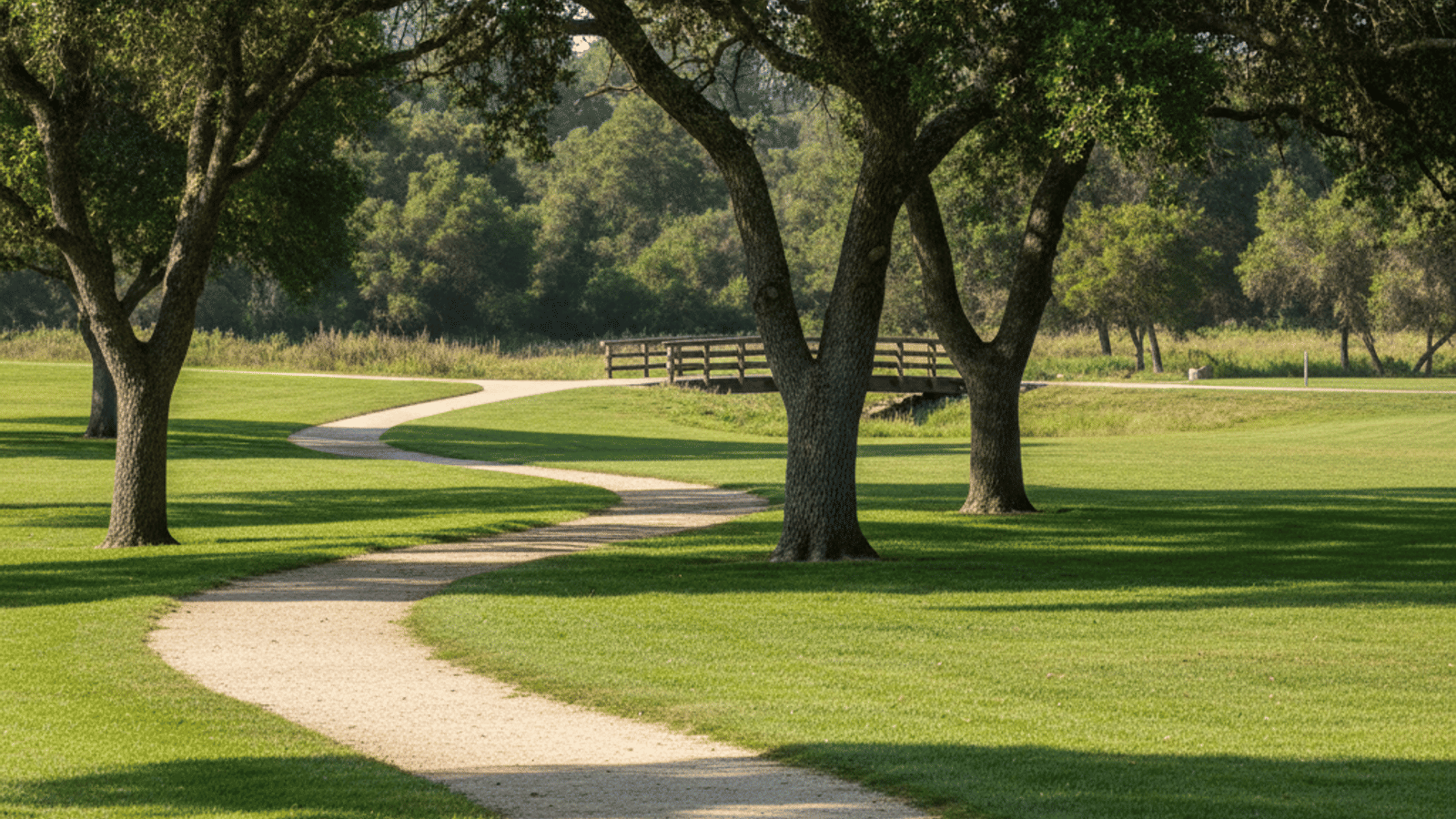
Lincoln has plenty to do without getting in the car for an hour. People here use the neighborhood parks a lot, especially the fields around Twelve Bridges, and the trail system weaves through town in a way that makes quick walks pretty easy. On warmer days you’ll see folks heading to Folsom Lake or Camp Far West for a few hours by the water. Golfers usually end up at Turkey Creek, and when you feel like a change of scenery, the foothills or even Tahoe make an easy day trip. Downtown stays busy in a low-key way—coffee spots, bakeries, and the kind of small events that pop up through the year.
FAQs
How affordable is it to rent in Lincoln?
Average apartment and three-bedroom rents in Lincoln have been above the national averages in 2025, with local market snapshots showing higher apartment averages than the U.S. mean; specific prices vary by unit size and neighborhood. If you plan to rent, review current listings and factor commuting costs and utilities into your budget.
Where are the main shopping and grocery options?
Lincoln Crossing and village retail centers near Twelve Bridges host grocery stores, pharmacies, and everyday service businesses. Historic downtown has smaller specialty shops and eateries, while larger malls and big-box retail sit in Roseville a short drive south.
What kinds of outdoor activities are nearby?
Nearby reservoirs support boating and fishing, and the Sierra, including Lake Tahoe, is within driving distance for hiking, skiing, and mountain recreation.
Is public transit useful for commuting?
Transit options like the Lincoln–Sierra College route and the local circulator serve scheduled trips and some commuter needs, but most residents use private vehicles for daily travel and flexible errands.
How should I research schools before I move?
Look at each campus’s most recent School Accountability Report Card for test scores, graduation rates, and program details. Campus-level data gives a clearer picture than district summaries when you are choosing a school for your household.
Are there fun, social options for a night out in Lincoln?
Yes. Lincoln’s downtown and village centers deliver a variety of social activities, from weekly markets to restaurant patios with live music, so you can enjoy an evening together without a long drive. Many residents feel the city provides a safe environment where kids play nearby while adults check out sport leagues or trivia nights, making it both perfect and ideal for a quick outing. If you care about finding the right mix of fun and convenience, consider visiting on a weekend to check how full the calendar stays year-round.
Check out this article next
